
REVIEW · BOSTON SEAFOOD AND LOBSTER TOURS
Sushi Making Class at a Local Brewery in Boston
Miso soup and beer, plus sushi hands-on. This Boston class pairs a relaxed brewery setting with a real 2-hour cooking lesson led by a sushi chef with 20+ years of experience. I like that you get to learn by doing, not just watching, and you also get to enjoy craft beer while your sushi is fresh and still warm from the work.
One thing to consider: the chef may not use a microphone, so if you end up farther from the front, you might miss parts of the instructions. Also, the menu is straightforward, so go in for the technique and the fun, not for a fancy, many-course spread.
Key Things You’ll Notice
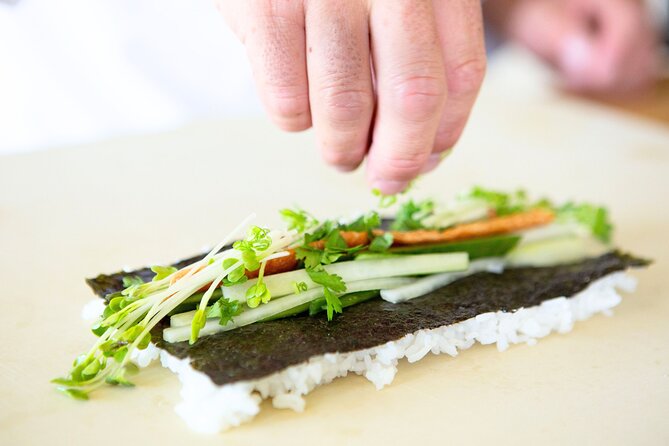
- Chef-led, hands-on rolling: you’ll make both hand rolls and inside-out rolls.
- Start with miso soup: warm up your palate with miso paste, dashi, and wakame.
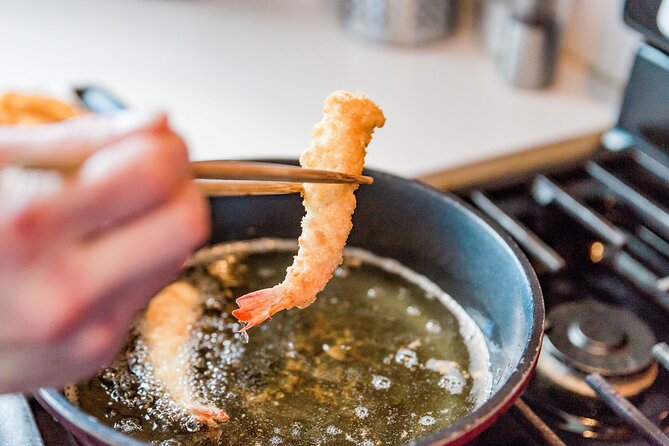
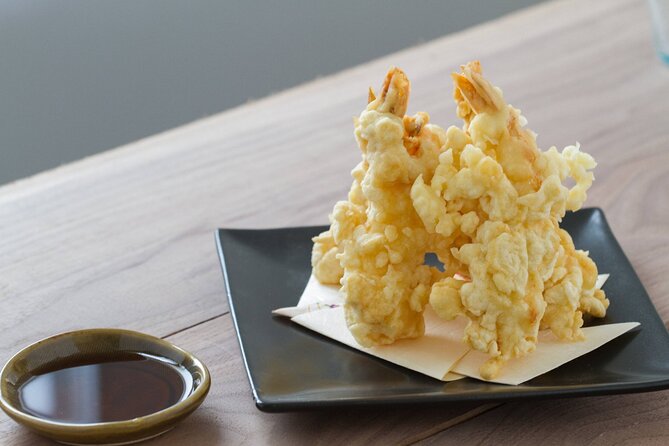
- Two roll styles, three fillings: shrimp tempura, sweet potato, and spicy tuna.
- Brewery atmosphere: craft beer is there, and the vibe is community-focused.
- Dietary-friendly ingredients: gluten-free, nut-free, dairy-free options are part of the setup.
- Small class size: the group max is 25, so you’re not lost in a crowd.
More lobster, more oysters, more chowder
Why a Sushi Class in a Boston Brewery Makes Sense
A sushi-making class usually lives in a kitchen classroom. Here, it lives in a place you already might want to visit anyway: a local public brewery, with craft beer at the bar and a laid-back, community feel. That matters because you show up less like a student and more like someone hanging out with friends, learning a skill along the way.
You also get a solid pairing from the start. Miso soup is warm and comforting, so even if you’re not a confident cook, you’re ready to focus once the rolling begins. And when you finish, you eat what you made. That simple loop, cook, then taste, keeps the whole experience moving instead of turning into a demo you forget.
Finally, the class is designed around a clean, practical menu: miso soup first, then temaki and uramaki with the listed fillings. If you like food experiences that focus on method and results, this format is a good match.
Getting Oriented at Long Live Roxbury (12:00 pm Start)
You’ll meet at Long Live Roxbury, 152 Hampden St, Boston, MA 02119. The class starts at 12:00 pm and ends back at the meeting point, so you’re not dealing with a confusing drop-off or multi-stop itinerary.
Because the venue is a brewery, plan to arrive a few minutes early and get settled before the chef starts. You’ll want a spot where you can see your station and still hear instructions. Since there’s a chance the chef speaks without a microphone, your seating position can make a real difference in how smoothly the lesson feels.
Language is English, and you’ll receive a mobile ticket. If you’re using your phone for entry, make sure you can access it offline or that your device has good battery life.
The 2-Hour Flow: From Miso Soup to Two Roll Styles
This is a hands-on 2-hour class. The rhythm is simple, and that’s a good thing. You begin with miso soup, then you build sushi step-by-step into two formats:
- Hand rolls (temaki)
- Inside-out rolls (uramaki)
The ingredients and tools are provided, so you’re not worrying about special supplies. You also get expert guidance throughout, including tips and chef secrets you can reuse.
In other words, you’re not just learning sushi as a concept. You’re learning how to do it with your hands, in real time, with a chef there to steer you when something feels off.
Miso Soup First, It Sets the Tone
You start by making a warm bowl of miso soup with miso paste, dashi, and wakame seaweed. It’s a small course, but it’s smart as a warm-up step. The flavors are comforting, and the process familiarizes you with core Japanese ingredients before the class becomes more technique-heavy.
Practically, soup also buys you time to get comfortable with the kitchen layout and tools. If you’re new to cooking classes, that matters. You get an early win that doesn’t require precise rolling or perfect shaping.
And once the soup is made, you get to taste the result of your prep right away. That feedback loop helps you stay confident going into the rolls.
Other taprooms and old taverns



Temaki Hand Rolls: Shrimp Tempura and Sweet Potato
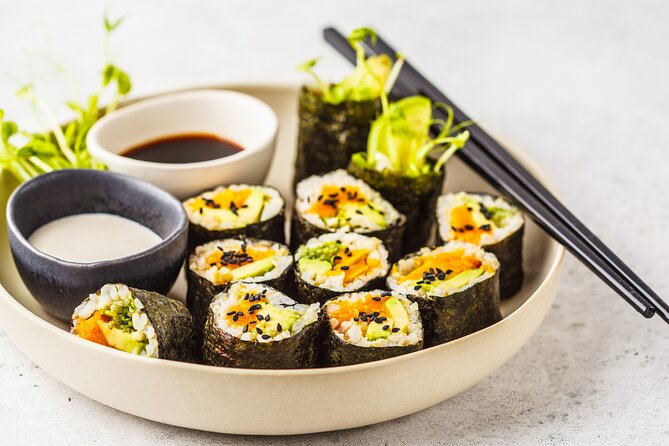
After miso soup, you’ll roll up your sleeves for hand rolls, called temaki. In this class, the hand roll fillings you’ll work with are:
- Shrimp tempura hand roll (shrimp, nori, sushi rice)
- Sweet potato hand roll (sweet potato, nori, sushi rice)
Hand rolls are one of the best sushi styles for a first lesson. The shape is more forgiving than tight cut rolls. You still learn fundamentals like how nori and rice work together, and how to distribute filling without overstuffing.
What I like about this part of the lesson is how it gives you variety without making things complicated. You get a seafood option and a vegetarian option, both in the same hand-roll format. That means you can compare what the chef taught you across different flavors.
If you’re hoping to impress someone, this is also where you can pick up the most visible confidence. A good temaki looks good even when you’re still learning.
Uramaki Inside-Out Rolls: Spicy Tuna and Shape Control
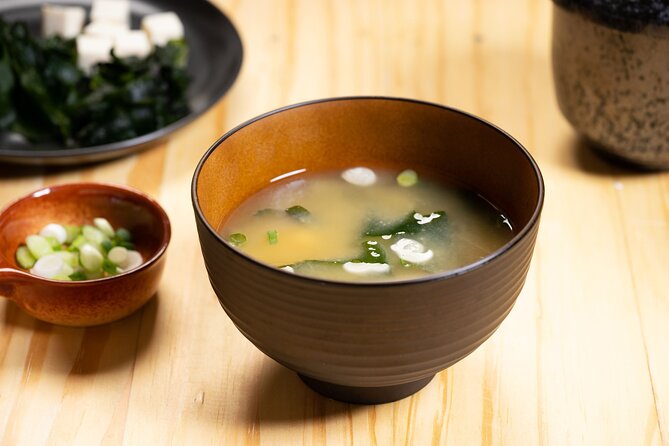
Next comes inside-out rolls, uramaki. The class highlights spicy tuna rolls, made with tuna, sushi rice, and nori.
Uramaki is where technique gets real. The rice is on the outside, and the roll needs to hold together cleanly while still looking neat. You’ll learn how to handle the rice layer so it doesn’t tear, and how to manage the filling so the roll slices cleanly later.
Even if you’ve never rolled sushi before, this is the point where the class becomes more satisfying. When you get your first successful inside-out roll, you’ll feel the method click, and then everything else is just repetition and small corrections.
Keep an eye on your station setup while you roll. If you’re working too fast or too slow, the rice texture and rolling pace can become a problem. The chef’s tips help you find a comfortable middle.
Chef Harold’s Instruction, and How to Hear Him
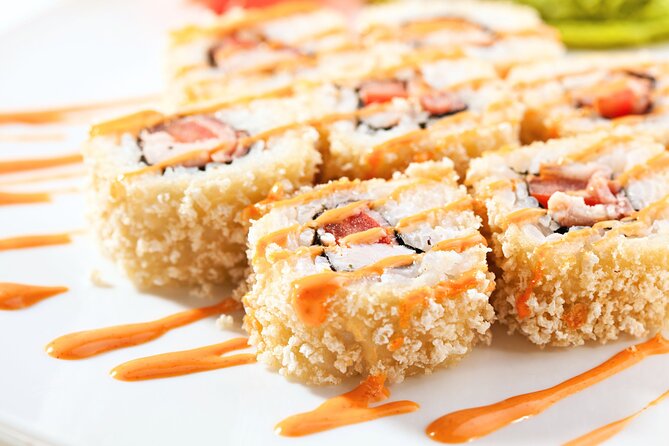
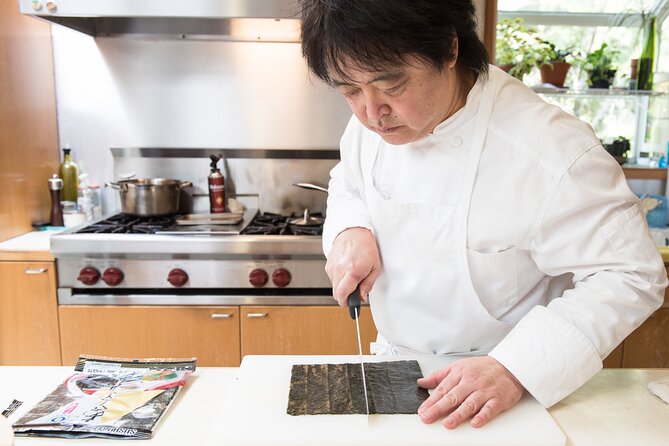
Chef Harold leads the class, and the experience is built around instruction from a sushi chef with over 20 years in the industry. That kind of background matters because you’re not learning just one recipe. You’re learning the logic behind the steps and the small habits that make sushi feel consistent.
One practical note: the chef may not use a microphone, so the audio can depend on where you sit. If you want to learn well, choose a spot where you’re close and have a clear line of sight. If you’re in the back, you might only catch parts of the timing and shaping guidance.
The good news is the class is hands-on. Even if you miss a sentence, the chef can still correct what you’re doing. Still, being able to hear the key points will help you avoid repeating mistakes.
Diets and Allergies: Gluten-Free, Nut-Free, Dairy-Free Ingredients
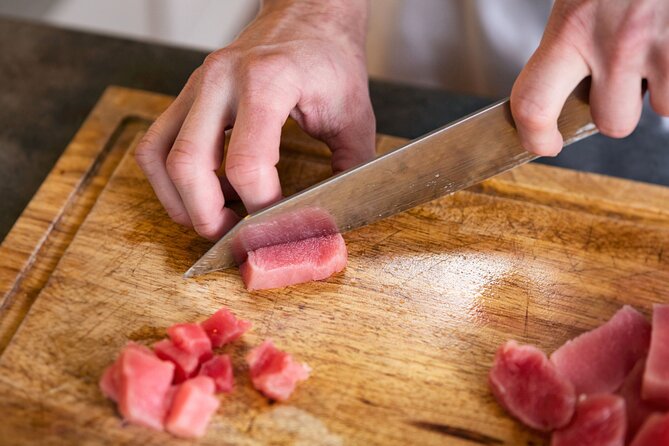
This class is designed with multiple dietary needs in mind. The ingredients listed include options that are gluten-free, nut-free, and dairy-free, and the experience is meant to accommodate different restrictions.
What you should do is simple: tell the organizer in advance about your needs. If you have a gluten concern, a nut allergy, a dairy issue, or another restriction, add it early so the team can tailor your experience.
Also, remember that “gluten-free” and “nut-free” can mean different things in different kitchens. Since the class explicitly aims for those ingredient standards, you’re in a better position than in many casual food events. Still, it’s smart to confirm your exact needs before you arrive.
Beer Time: Craft Drinks Are Available, Not Included
The sushi is the main event, but the brewery vibe includes craft beer. Drinks are available for purchase at the venue bar. Price range is listed as $3 to $20, so you can decide how adventurous you want to be.
I’d treat beer as a companion, not a focus. The class has a hands-on rhythm, and rolling takes attention. If you order beer, pace yourself so you can keep your hands steady and your timing on track.
The upside is that once you’re done rolling, you can shift into full relaxation mode. Then the beer feels like part of the celebration, not something competing with your concentration.
Value Check: Does $75 Buy Real Payoff?
At $75 per person for about 2 hours, this sits in the middle of what you might expect for a guided cooking class in Boston, especially one hosted at a brewery. The value is stronger than the sticker price because several things are genuinely included:
- A hands-on cooking class led by the chef
- All ingredients and cooking tools
- A full meal you cook yourself (you eat what you roll)
That last point matters. A lot of food experiences give you small bites and leave you hungry. Here, you’re making the starter and the rolls, and the meal is the product of your work.
Group size is capped at 25, which also supports value. You’re not in a huge class where you feel invisible. And the fact that this is booked about 33 days in advance on average suggests people like the format and the location.
If your priority is learning how to make sushi, then eating it immediately, this price can feel fair. If your priority is a long, multi-course tasting event, you might find the structure simpler than you expected.
Who This Class Is Best For
This is a great choice if you want a fun food date or a low-pressure activity with friends. It’s also ideal if you’ve always been curious about sushi but never tried making it at home. The steps are broken up into clear stages, and you get both temaki and uramaki, not just one style.
I’d also point out that it works for mixed comfort levels. Some people enjoy cooking right away. Others just need the right structure and guidance. The brewery setting helps too, because the atmosphere is casual.
If you’re coming with picky eaters, you have at least a seafood option and a sweet potato option, plus the spicy tuna roll. That variety makes it easier to find something you’ll actually want to finish.
Potential Downsides to Plan Around
Here are the main things that could affect your experience:
- Hearing may be tricky if you’re not close to the chef. Since there’s a chance no microphone is used, choose your spot carefully.
- The menu is straightforward. The focus is technique and hands-on results, not a long, complex sequence of dishes. If you want a grand, multi-course meal, you might expect more than this format offers.
On the bright side, both points are easy to handle. Sit near the front, stay engaged during each step, and go in knowing the pay-off is what you make and eat.
Should You Book This Boston Sushi-Making Class?
I think you should book it if you want a practical, social cooking experience where you learn by doing. The combination of chef Harold, a warm start with miso soup, and two roll styles gives you real skills you can repeat later. Add the brewery setting and craft beer availability, and it becomes an easy plan for a date, friends night, or a “let’s try something new” afternoon.
Skip it or think twice if your ideal food event is mostly about a big tasting menu, long formal instruction, or lots of sitting and watching. This is about hands-on making. When you lean into that, you’ll likely have a better time.
If you do book, do these small things: arrive a few minutes early, choose a seat where you can hear the chef, and let the team know about any dietary needs ahead of time. That will help you get the best version of the class.
FAQ
How much does the sushi-making class cost?
The price is $75.00 per person.
How long is the class?
It runs for about 2 hours.
What is included in the ticket price?
You get the hands-on cooking class, all ingredients and cooking tools, expert instruction, and a full meal you cook yourself.
Are drinks included?
No. Drinks are available for purchase at the venue bar, with prices ranging from $3 to $20.
Where does the class start?
The meeting point is Long Live Roxbury, 152 Hampden St, Boston, MA 02119. It starts at 12:00 pm and ends back at the meeting point.
Can I cancel and get a full refund?
Yes. You can cancel up to 24 hours in advance for a full refund.
Keep Going in Boston





Another Round in Boston






More Lobster and Oysters




More around Boston, freshly written up
- The Boston Bash Scavenger Hunt★ 4.5 · 3 reviews
- Self-Guided Audio Tour of Boston North End★ 4.5 · 3 reviews
- Self-Guided Boston Christmas Tour★ 5.0 · 3 reviews
- Self Guided “The North End Pizza, Cannoli and Picnic” Solo Walking Tour★ 5.0 · 3 reviews
- Cambridge: Haunted Charles River Cruise★ 4.3 · 3 reviews
- Boston: Official Freedom Trail® Lantern Tour★ 4.7 · 3 reviews
Boston Seafood and Lobster Tours, compared.
 ★ 5.0Boston North End Food Tour of 6+ Tastings, Cannoli, Lobster RollFrom $1191,404 reviews
 ★ 5.0Boston Seafood Tour: Behind the Scenes at the Historic Fish PierFrom $80267 reviews
 ★ 5.0Boston Seafood Lovers Food and History Walking TourFrom $159208 reviews
 ★ 5.0Boston Private Food Tour of 6+ Tastings, Cannoli, Lobster RollFrom $395165 reviews
 ★ 5.0Boston Seafood Private Tasting TourFrom $173102 reviews
 ★ 4.9Guided Seafood Tasting and History TourFrom $7990 reviews
 ★ 5.0Boston to Kennebunkport with Optional Lobster TourFrom $12544 reviews
 ★ 5.0Seafood Tasting & Historical Walking TourFrom $15928 reviews