
REVIEW · BOSTON SEAFOOD AND LOBSTER TOURS
Boston: Seafood Tasting & Historical Walking Tour
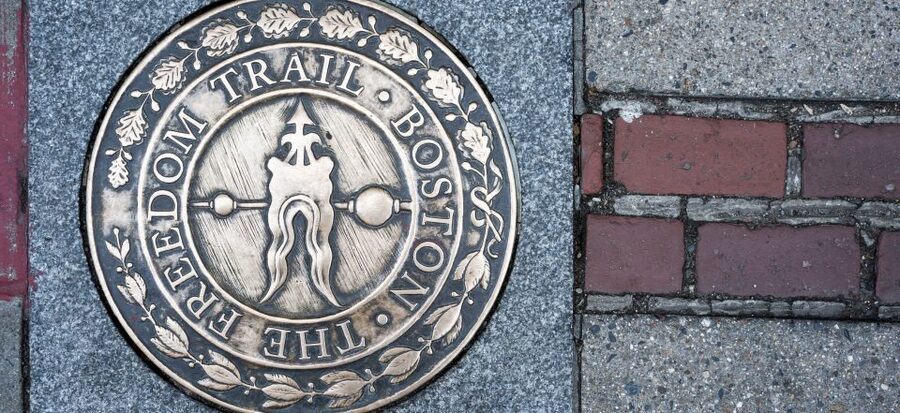
Boston seafood tastes better when you walk to it. This SeaFoodie tour strings together Boston’s oldest neighborhoods and pairs big flavors with Freedom Trail storytelling. You get a guided stroll through places like the North End and the Waterfront, plus the kind of behind-the-scenes context that makes familiar landmarks feel new.
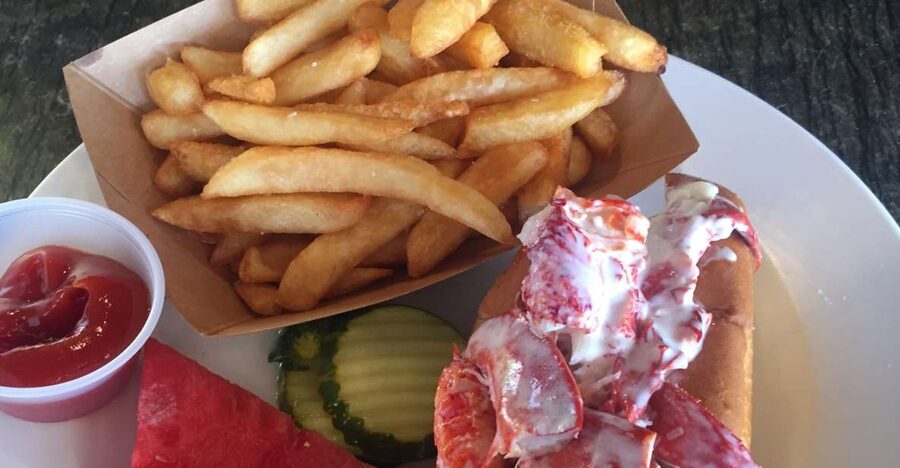
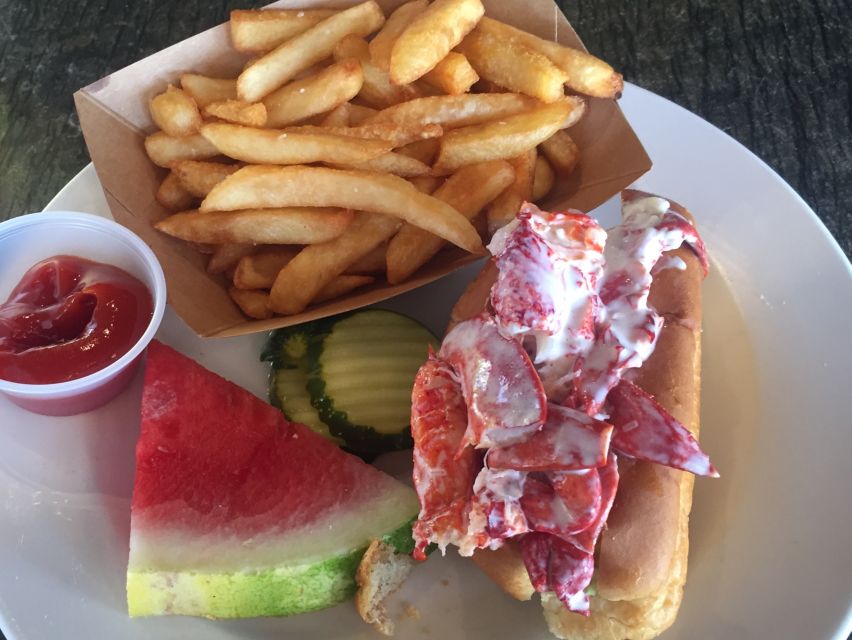
What I like most is the food weight. You end up with a full-size lobster roll (made 3 ways) or lobster mac and cheese, not tiny samples. And the tour leans hard into iconic New England comfort food and raw bar classics like clam chowdah and oysters.
One thing to consider is pacing. This is a walking tour, rain, shine, or snow, so you will want comfortable shoes and a jacket you can move in.
Key highlights to know before you go
- Freedom Trail stories built into the route with three key sites woven into the walk
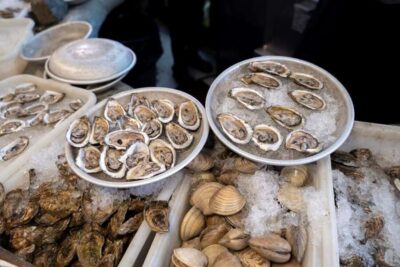
- A true raw bar stop with shrimp and oysters as part of the main tasting plan
- Real lobster, not a garnish with a full-size lobster roll or lobster mac and cheese
- Harborwalk views you can pause for (yes, bring your camera)
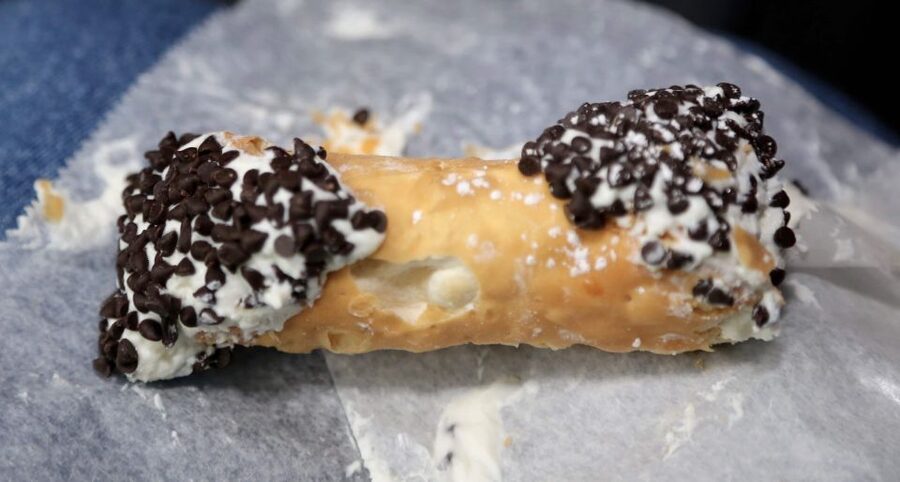
- North End dessert to close the loop with cannoli from a famous bakery
More lobster, more oysters, more chowder
A 150-minute plan that works for first-timers
Boston can feel like two cities at once, old and brand-new. This tour uses that tension on purpose. You move through colonial-era and Revolutionary-era neighborhoods while still getting practical modern “what should I eat” guidance along the way.
The timing also makes sense. At 150 minutes, you get multiple stops and multiple tastes without turning your whole day into a timed event. I also like that you are not just chasing plates, you are hearing stories about why these streets matter.
Where the tour starts, and why the North End matters
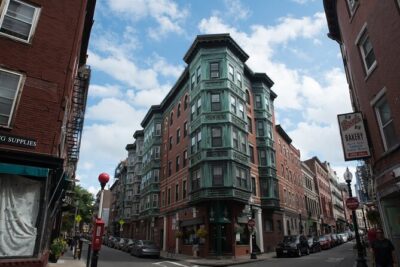
You meet at Modern Pastry Underground in Boston’s North End. That is a strong start because you are already in one of the city’s most food-forward pockets. The tour begins with a short North End segment, including a photo stop and guided sightseeing, so you can quickly orient yourself before you start tasting.
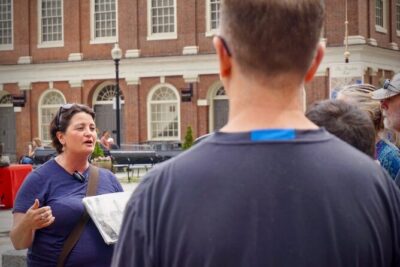
This neighborhood connection matters more than it sounds. The North End is tied to Boston’s immigrant history and food culture, and the guide uses that context to frame what you will see next. In the reviews, guides like Dan, Big Al, Tim, and Martin get singled out for being funny and for tying history to what you are looking at, not just listing dates.
If you hate standing around, you will appreciate the setup. You do not need to wait in a line for the pastry shop to start the tour flow, because the tour begins right there with the guide and then moves on.
The Waterfront and Quincy Market stops: chowdah, views, and practical seafood order
After the North End, you shift to the Boston Waterfront area. You will get a segment that includes brunch or lunch-style tasting and regional food. You also hit a photo stop along the waterfront, then spend time moving through the area’s main pedestrian corridors.
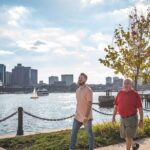
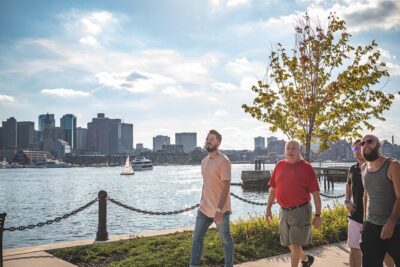
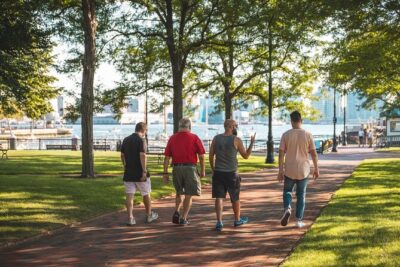
One detail I really like is the Harborwalk emphasis. You will be strolling along the water with time to look around, and the tour even nudges you to bring the camera. That matters because Boston’s waterfront can look like a blur if you only pass through by car or on a quick walk. Here, you slow down.
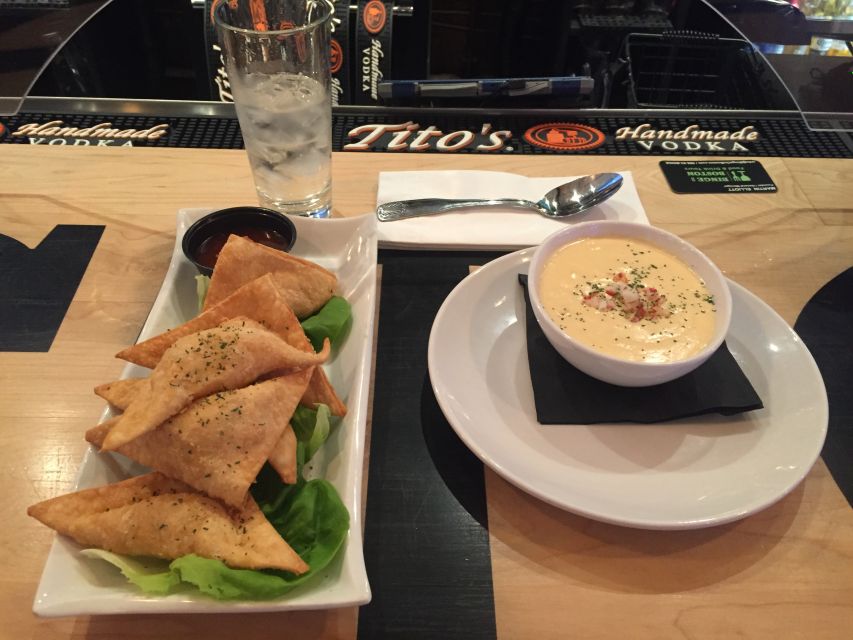
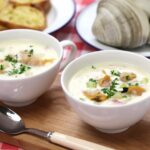
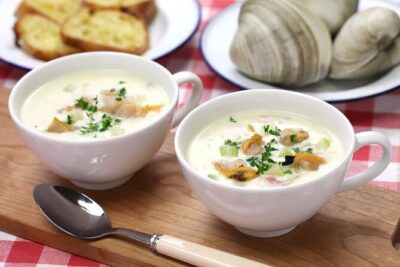
A major highlight for most people is the clam chowder cup. The guide frames it as classic Boston comfort food, and the experience is built around starting warm and salty before you go colder with the raw bar later. One of the standout things in the feedback is that people call the clam chowder their favorite part, which tells you this stop is not a token taste.
Then you move toward Quincy Market and Faneuil Hall zones. These stops are good for two reasons. First, they show you what “public gathering space” looks like in Boston. Second, they give the guide a chance to connect the city’s physical layout to the Revolution-era movement of people and ideas.
The “Freedom Trail sites” angle: what you actually learn on the walk
This is not a museum lecture. It is walking with a guide who explains how Revolutionary leaders and events shaped the streets you are using right now.
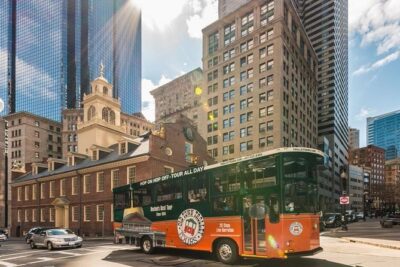
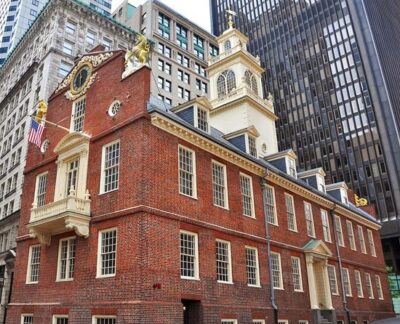
You will hear Freedom Trail history of the Old State House and learn about the Fanueil Hall / Quincy Market areas. You also walk in the footsteps of figures like John Adams, Paul Revere, and George Washington as part of the story framework.
The win here is that the tour does not treat history as separate from food. The guide helps you understand why certain neighborhoods became important, then you get to eat in those same zones. It makes the whole thing feel like one coherent route instead of two unrelated activities stitched together.
More of Boston from the top of the list
Long Wharf and the raw bar: oysters and shrimp, done the Boston way
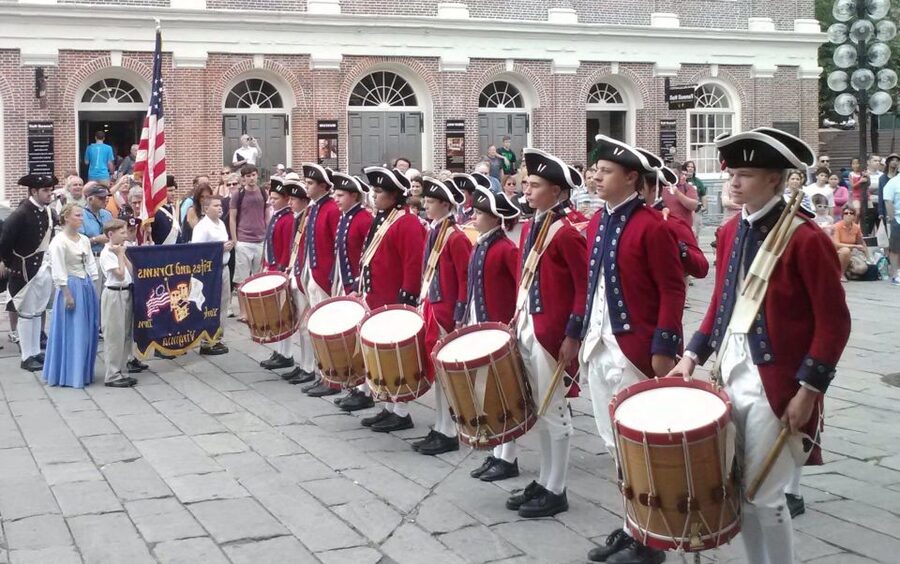
At the Waterfront, you get to Long Wharf, which is described as Boston’s oldest commercial port. If you like a viewpoint that feels both historic and active, this is the kind of stop that delivers. From there, you also see the Seaport District direction and East Boston angles, which helps you map where everything sits.
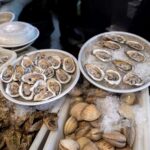
Then comes the raw bar experience: oysters on the half shell and jumbo peel-and-eat shrimp. This is the part where the tour feels most “Boston.” You are not just eating seafood in general, you are eating it the way locals talk about it.
If you are a little nervous about oysters, you still get value. Even tasting one oyster gives you a baseline for what people mean when they call New England shellfish “clean” and “briny.” And shrimp is the perfect bridge food if you want seafood that feels less intense. The tour plan balances both so you can compare flavors without needing to commit to a whole plate of just one thing.
Blackstone Block: where the lobster payoff happens
This is the heavy hitter portion. You head into the Blackstone Block for your main lobster stop. This is where you should watch the clock a bit, because you are probably getting hungry after the walking and the earlier tastings.
You’ll get either a full-size lobster roll made 3 different ways, or you’ll get lobster mac and cheese. In the feedback, people specifically mention a Connecticut style lobster roll as one of the best they have had, and they also call out the full size as a reason the price feels fair.
Here is why this stop is good even if you are not a die-hard lobster fan. The “made 3 different ways” idea gives you variety in one bite-size decision. You can taste the same ingredient prepared differently and figure out what style you like best. That beats the usual approach of ordering one version and hoping you picked the right one.
Finishing in the North End: cannoli closes strong
You finish back in the North End area, where locals call it Little Italy. That nickname is not just branding, it signals the neighborhood’s identity through food. The tour loops back so your last stop feels connected to your first.
The dessert finish is cannoli from a famous North End pastry shop. In other words, you end with the kind of sweet Boston is known for, not a random “grab something” situation.
This ending also gives you an easy next step. Once the tour is over, you are already in a great place to keep eating on your own, grabbing another espresso, or searching for a second dessert if you still have room.
Price and what $159 buys you in real terms
At $159 per person, this tour is not the cheapest thing on a Boston menu. But it is priced like a food-forward experience that tries to deliver major plates instead of light snacking.
What you get includes:
- A guided walking route through Boston’s oldest neighborhoods
- Clam chowder
- A New England style lobster roll (full-size) or lobster mac and cheese
- A raw bar experience with shrimp and oysters
- Dessert cannoli
- Bottled water
That mix is the value piece. If you tried to recreate it alone, you would likely spend similar money on just the raw bar and lobster, then add chowder and dessert. The guide also adds value through pacing, story context, and picking where to eat so you do not waste your time chasing menus.
If you are traveling with limited time, this is also a smart way to compress Boston food priorities into one afternoon instead of scattering it across multiple days.
Who this tour is best for
This works especially well if you:
- Want a first-time Boston experience that covers both food and landmarks
- Prefer guided walking over planning every stop yourself
- Like history that is tied to streets, not just dates
- Eat seafood and want a guided raw bar moment without the guesswork
It also makes sense for families with teens and adults who are happy to walk. One review specifically notes that a 14-year-old still enjoyed the tour, which suggests the pacing and the humor land well across ages.
If you are someone who hates seafood or refuses anything raw, you might feel limited. The plan is built around shellfish and lobster, so adjust expectations accordingly.
How to dress and plan your day
Because the tour runs rain, shine, or snow, plan like you will be outside the whole time. Comfortable shoes are not optional. You will be walking between neighborhoods and across waterfront areas.
Bring a jacket, even in mild weather, because waterfront air can feel cooler. Also, consider packing light snacks only if you know you are a slow eater. The tour includes multiple tastings, but food tours still move at a set pace.
Finally, give your phone battery a little attention. The tour includes scenic waterfront views and photo stops, and you will want those pictures without hunting for a charger mid-walk.
Should you book this Boston Seafood and Freedom Trail walk?
If you want one afternoon that checks two boxes, Boston history plus standout seafood, I would book it. The biggest selling point is the combination of three important Freedom Trail stops with food that is substantial: chowder, raw bar, full-size lobster, and cannoli.
I would pass only if you are not a seafood person or if you are not comfortable with steady walking in bad weather. Otherwise, this is one of those tours that earns its place on the itinerary by actually feeding you and teaching you as you go.
FAQ
How long is the Boston Seafood Tasting & Historical Walking Tour?
The tour lasts 150 minutes.
Where do I meet the guide?
Meet your guide at Modern Pastry Underground in Boston’s North End.
What foods are included in the tour?
The tour includes clam chowder, lobster roll or lobster mac and cheese, a raw bar experience with shrimp and oysters, and dessert cannoli, plus bottled water.
Is the tour really rain or snow?
Yes. The tour runs rain, shine, or snow.
Can I cancel and get a full refund?
Yes. You can cancel up to 24 hours in advance for a full refund.
Is the tour wheelchair accessible?
Yes. The tour is listed as wheelchair accessible.
More Tour Reviews in Boston
Keep Going in Boston
More Lobster and Oysters

More around Boston, freshly written up
- The Boston Bash Scavenger Hunt★ 4.5 · 3 reviews
- Self-Guided Audio Tour of Boston North End★ 4.5 · 3 reviews
- Self-Guided Boston Christmas Tour★ 5.0 · 3 reviews
- Self Guided “The North End Pizza, Cannoli and Picnic” Solo Walking Tour★ 5.0 · 3 reviews
- Cambridge: Haunted Charles River Cruise★ 4.3 · 3 reviews
- Boston: Official Freedom Trail® Lantern Tour★ 4.7 · 3 reviews
Boston Seafood and Lobster Tours, compared.
 ★ 5.0Boston North End Food Tour of 6+ Tastings, Cannoli, Lobster RollFrom $1191,404 reviews
 ★ 5.0Boston Seafood Tour: Behind the Scenes at the Historic Fish PierFrom $80267 reviews
 ★ 5.0Boston Seafood Lovers Food and History Walking TourFrom $159208 reviews
 ★ 5.0Boston Private Food Tour of 6+ Tastings, Cannoli, Lobster RollFrom $395165 reviews
 ★ 5.0Boston Seafood Private Tasting TourFrom $173102 reviews
 ★ 4.9Guided Seafood Tasting and History TourFrom $7990 reviews
 ★ 5.0Boston to Kennebunkport with Optional Lobster TourFrom $12544 reviews
 ★ 5.0Boston Seafood & Freedom Trail Walking TourFrom $17224 reviews