
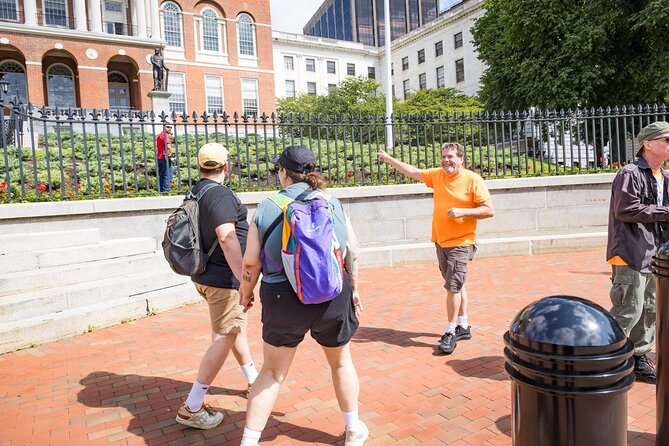
REVIEW · FREEDOM TRAIL WALKING TOURS
Freedom Trail: Boston Common, Old State House, Faneuil Hall
Freedom Trail in two hours, yes. If you want the Revolutionary story without spending your whole day walking, this Freedom Trail highlights tour is a smart sprint through Boston’s most meaningful corners. You’ll move from Boston Common to Old State House and end at Faneuil Hall, with the Tea Party plot, the Declaration moment, and the Boston Massacre all stitched into the route.
I love two things most here. First, you get to stand in the same streets tied to big names like Sam Adams, Ben Franklin, and George Washington, so the whole era feels real. Second, the tour leans on places people overlook, like churches and cemeteries, so you come away with a clearer sense of who pushed back and who paid the price. The one drawback to consider is simple: it’s mostly outdoors, so weather and steady walking matter, even though the duration is only about 2 hours.
Key things that make this tour worth your time
- Boston Common, founded in 1634, gives you a calm starting point before the drama starts.
- Old South Meeting House is where plans for the Boston Tea Party got rolling.
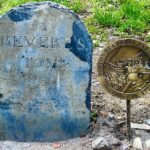
- Granary Burying Ground connects liberty to real burials, including Paul Revere, Samuel Adams, and John Hancock.
- Old State House is where the Declaration of Independence was read from the balcony.
- The Boston Massacre site includes the story of Crispus Attucks, the first casualty.
- The guide, Brian, brings stories to life with humor and a real Boston feel.
Other ways to walk the red brick, compared
Starting at Park Street, then stepping right into the Revolution
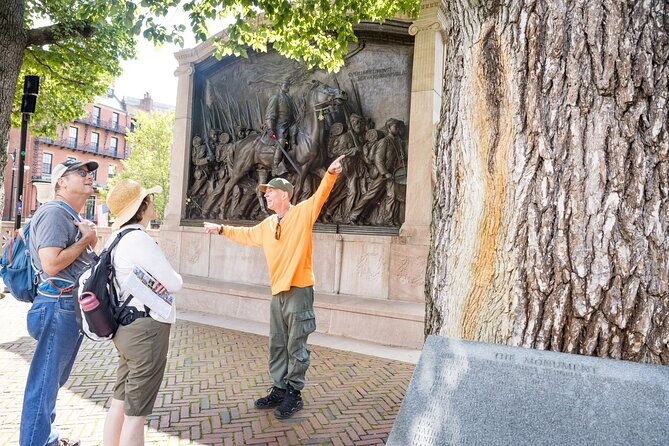
You meet outside the Park St. T Station on the eastern edge of Boston Common. That location matters because it’s right where Boston’s historic center starts to “click.” You’re not hunting around. You’re set up to walk in a logical line and hit the highest-impact stops.
From there, your route is designed for a quick hit on the Freedom Trail’s core themes: colonial control, public protest, and the shift from tension to open rebellion. With a highlights-focused format, you’re not trying to memorize every marker along the full trail. Instead, you get the story beats that help everything else make sense later.
A big plus is that the tour ends at Faneuil Hall, which is a natural place to keep exploring on your own after the guided portion. It also means you have a clear finish point, not a vague “see you around town” situation.
Boston Common: the quiet green start before the fighting
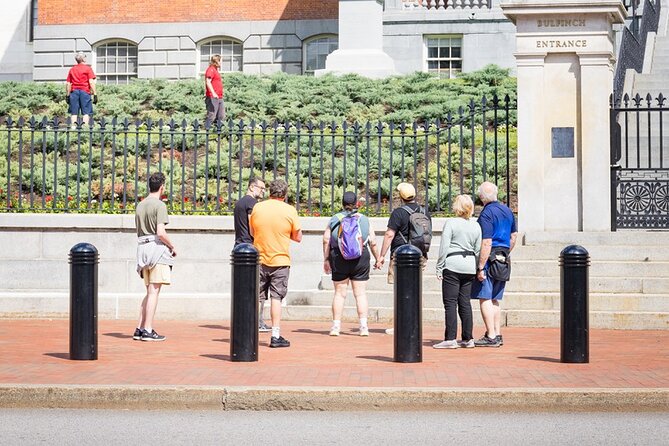
Boston Common is the emotional warm-up. It’s the oldest public park in America, founded in 1634, and it gives you an instant contrast to the louder Revolutionary scenes you’ll see later. In a short tour, this park stop is more than a photo moment. It’s context.
You also get the sense that this space has been used for more than just leisure. It has seen British troop encampments during the Revolutionary War, and later, civil rights rallies in the 20th century. That time-spanning detail is helpful because it frames the Revolution as part of a longer American argument about who belongs and who gets a voice.
Practical tip: treat Boston Common as your breathing space. Use it to slow down, look around, and get your bearings before the route turns more intensely historical. If you’re traveling with kids, this is often the easiest stop to “buy in,” since it doesn’t feel like a test of dates.
Massachusetts State House and civic Boston: lawmaking behind liberty
Next comes the Massachusetts State House area, completed in 1798. The golden dome is the kind of landmark you can’t miss once you’re near it, and it’s useful for one reason: it reminds you that independence wasn’t only about protest. It also became about building institutions and passing laws.
During this part of the walk, you’ll learn how the state house ties into Massachusetts’ legislative process and how the building became a symbol of government. That matters because Revolutionary-era history often gets told like a straight line from anger to victory. This stop helps you see the follow-through: once independence is claimed, the work of running a society starts immediately.
One small consideration: this segment is more about atmosphere and explanation than a single dramatic “event scene.” If you’re someone who loves exact battle details, you may want to bring a bit of curiosity for civic history. Still, it’s a good anchor for understanding how the new nation organized itself.
Park Street Church and King’s Chapel: where ideas had to speak
Boston’s church spires are more than architecture. They were speakers’ platforms. On this tour, you’ll visit Park Street Church, erected in 1809, and King’s Chapel, built in 1754.
Park Street Church is especially compelling because it’s tied to the first public anti-slavery address in the United States. That connection changes how you look at the building. You stop seeing it as just a skyline landmark and start seeing it as a place where moral arguments were made in public.
King’s Chapel adds another angle. It’s linked to loyalist congregants during the Revolution. That doesn’t make for a comfortable story, but it is important. You get a fuller picture of the era, including the reality that not everyone agreed on independence.
Why I think this works for you: it prevents a “one-sided” version of the story. Boston wasn’t just patriots shouting. There were also people pushing back, worshiping and organizing in ways that shaped what happened next.
More of the revolution, from the tea to the bridge

Granary Burying Ground: the cost of liberty, written into stone
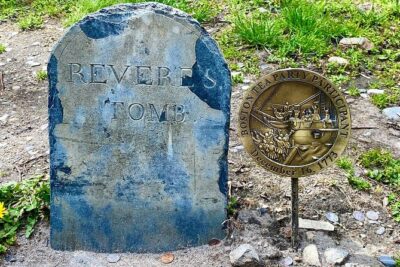
Granary Burying Ground is one of those stops that hits harder the longer you stand there. It’s one of Boston’s oldest cemeteries, and it’s closely tied to the American Revolution.
You’ll hear about notable figures buried there, including Paul Revere, Samuel Adams, and John Hancock. You’ll also be directed to pay respects at the grave of Crispus Attucks, the first casualty of the Boston Massacre. That detail matters because it puts a face on the moment when violence became undeniable.
The “value” of this stop, beyond the names, is perspective. It helps you understand that the fight for liberty didn’t exist in a vacuum. People paid for it, and they were remembered for it in their community’s most lasting spaces.
If you’re worried about pacing, don’t be. Reviews around this tour often note the right tempo, with time to pause for photos and take the stories in without feeling like you’re being dragged. This cemetery segment is a good example of where the guide’s storytelling can slow you down in the best way.
Old South Meeting House and the Tea Party plan
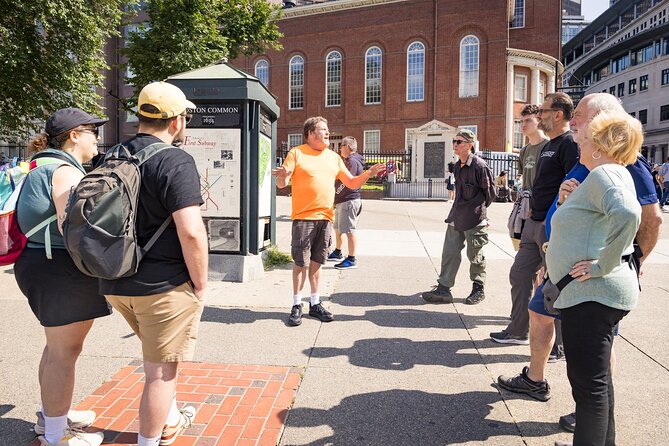
Old South Meeting House is where plans for the Boston Tea Party were famously set into motion. The building dates to 1729, and in a short tour, it’s a high-impact stop because it connects the big headline event to the actual meeting space where colonists organized.
This is the moment where you start seeing the Freedom Trail as more than famous names. It becomes a map of decision-making. You’re learning how resistance was planned, not just how it was filmed in textbooks.
Potential drawback: because the tour is only about 2 hours, you won’t have a long, museum-style explanation here. It’s a guided overview, not a deep archive session. If you want to go ultra-specific on Tea Party history, you might follow up later with a museum or a longer walking loop. For getting the story foundations, though, this stop is one of the best investments on the route.
Old Corner Bookstore: ideas and print culture in plain view
Old Corner Bookstore is a fascinating detour in an otherwise political route. It was a hub for the literary elite in the 19th century and published works by iconic authors like Louisa May Alcott.
That might sound like a left turn, but it’s not. In Revolutionary-era and post-Revolutionary America, print mattered. Ideas traveled through printed pamphlets, essays, and books. Even when your tour focuses on independence-era events, this stop gives you a sense that the country’s story was carried by words as much as by speeches and ships.
Also, it’s a nice break in tone. After tense event sites like the Boston Massacre and planning rooms, standing near a literary publishing landmark can feel like a palate cleanser.
Old State House: where the Declaration lit the spark
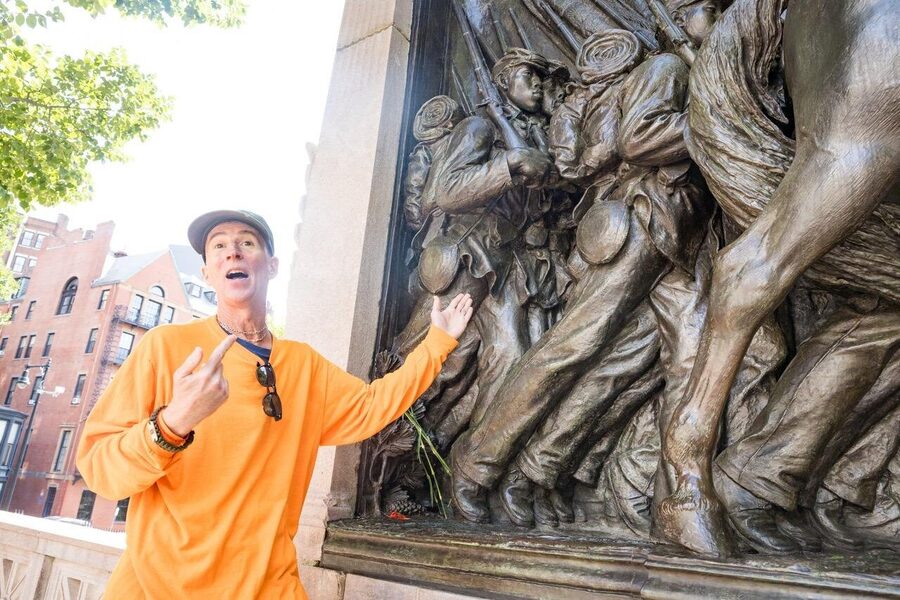
Old State House dates to 1713 and was the seat of colonial government. It’s also the stage for key moments leading into the Revolution. This is a major stop on your mental timeline.
You’ll learn that the Declaration of Independence was read from the balcony here, which is one of those details that makes the history feel immediate. The balcony itself becomes a symbol of turning points, the idea that liberty moved from concept to public announcement.
In a highlights tour, Old State House does heavy lifting. It ties together the theme of resistance and the theme of communication. You’re seeing how public statements created momentum, and how government spaces became sites of dramatic transformation.
One practical note: like many historic streets in the area, the sidewalk space can get busy. Use the guide’s instructions to keep moving and avoid getting stuck at the most crowded photo angles.
Boston Massacre site: the moment tension turned into blood
The Boston Massacre site is one of the most sobering stops on the route. It marks where tensions between colonists and British soldiers escalated into the infamous Boston Massacre of 1770.
You’ll also connect the event to Crispus Attucks, again returning to his role as the first casualty. Repetition here is useful. It makes sure the story doesn’t slip away after one dramatic sentence. You end up with a clearer sense of the human stakes behind the headlines.
If you like your history straight and honest, this is the part that delivers. It doesn’t feel like a costume drama. It feels like a reminder that political conflict becomes physical, fast, once the wrong conditions line up.
Faneuil Hall, the Cradle of Liberty, and where your walk ends
Faneuil Hall is your finish line, and it’s a powerful one. Known as the Cradle of Liberty, it has functioned as a marketplace and meeting hall since 1742.
During your visit, you’ll hear about fiery debates and speeches advocating for independence. That makes Faneuil Hall feel less like a building and more like an engine for collective action. People gathered here to argue, to persuade, to push policy, and to shape what came next.
Why ending here works: it’s a place you can keep exploring without forcing the tour to stretch longer than it needs to. After you finish, you can wander nearby streets, grab a snack, or simply sit and reflect while the city’s Revolutionary energy sticks with you.
Price, timing, and how to judge the value
This tour costs $39 per person and lasts about 2 hours. The value comes from focus. You’re paying for a guided highlights route that covers multiple top-tier Freedom Trail stops in one go, rather than piecing together the history yourself across several half-day outings.
The other value factor is the guide. Brian, the guide on recent departures, gets called out for entertaining, engaging, and detailed storytelling. People also mention his approachability and a sharp sense of humor. When your tour time is short, that storytelling skill becomes part of the “product,” not an extra.
You’ll also appreciate the practical structure: you start outside Park Street T Station, you move station to station through key historic sites, and you end at Faneuil Hall. That kind of clarity reduces the stress that often hits when you’re trying to do history on a tight schedule.
Who should book this? If you want a high-efficiency overview, if you’re traveling with kids, or if you only have a morning free and want the big moments, this matches your needs. If you’re a hardcore history researcher chasing every controversy and footnote, you might still enjoy it, but you’ll likely want to add extra time at one or two sites afterward.
What to bring to get the most out of it
Because you’re outdoors and walking for about 2 hours, plan like it’s a city stroll with stops. Wear shoes you can move in. Bring water if it’s warm. If weather looks doubtful, pack a light layer you can handle quickly.
If you care about photos, know that you’ll have chances to pause along the way. A fair number of stops are built around look, read, and stand still for a moment before walking on.
Most important: go in curious, not anxious. This tour is a highlights route. Its job is to make the story click, then give you a few places you can return to on your own.
Should you book this Freedom Trail highlights tour
Yes, I’d book it if you want the Revolutionary storyline in an efficient, walkable format. The price of $39 for a 2-hour, guided highlights loop through major stops like Boston Common, Old South Meeting House, Old State House, the Boston Massacre site, and Faneuil Hall is a strong match for short trips.
I also like it because it includes the “less obvious” layers, churches and cemeteries, plus the moral and political conflict side. And the guide, Brian, is repeatedly described as entertaining, engaging, and friendly, with humor and an easy back-and-forth feel.
I’d skip or adjust expectations if you need long, slow museum-style time at each location. This is a guided walk, not a deep research seminar. For that, you can always pair it with extra self-guided time at the sites that hook you most.
FAQ
Where is the meeting point for this tour?
The tour meets outside the Park St. T Station on the eastern edge of Boston Common.
How long is the Freedom Trail highlights tour?
It lasts about 2 hours.
How much does the tour cost?
The price is $39 per person.
Where does the tour end?
The tour ends at Faneuil Hall.
What main stops are included on this route?
The route includes Boston Common, Old State House, Faneuil Hall, plus other Freedom Trail highlights such as Granary Burying Ground, Park Street Church, King’s Chapel, Old South Meeting House, the Boston Massacre site, and Old Corner Bookstore.
Is the tour guided and in English?
Yes. It includes a live guide and is offered in English.
Can I cancel, or reserve and pay later?
You can cancel up to 24 hours in advance for a full refund, and you can reserve now and pay later.
More of Beacon Hill




More Revolution in Boston



The Red Line, Three More Ways

More around Boston, freshly written up
- The Boston Bash Scavenger Hunt★ 4.5 · 3 reviews
- Self-Guided Audio Tour of Boston North End★ 4.5 · 3 reviews
- Self-Guided Boston Christmas Tour★ 5.0 · 3 reviews
- Self Guided “The North End Pizza, Cannoli and Picnic” Solo Walking Tour★ 5.0 · 3 reviews
- Cambridge: Haunted Charles River Cruise★ 4.3 · 3 reviews
- Boston: Official Freedom Trail® Lantern Tour★ 4.7 · 3 reviews
Freedom Trail Walking Tours, compared.
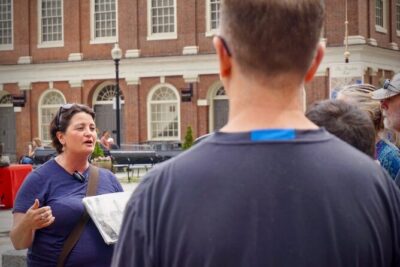 ★ 5.0Freedom Trail History Small Group Walking TourFrom $356,450 reviews
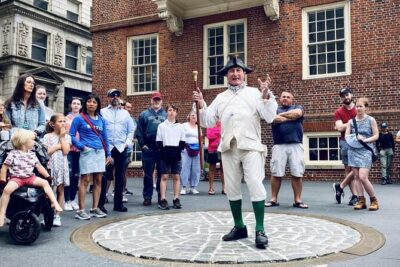 ★ 4.5Boston Freedom Trail Walking Tour with Costumed GuideFrom $262,531 reviews
 ★ 5.0Boston Food & History: Pizza, North End & Freedom TrailFrom $901,772 reviews
 ★ 4.9Boston’s Freedom Trail: A Revolutionary Walking TourFrom $311,748 reviews
★ 4.9Freedom Trail History Small Group Walking TourFrom $351,590 reviews
★ 5.0Boston’s Freedom Trail: A Revolutionary Walking TourFrom $311,343 reviews
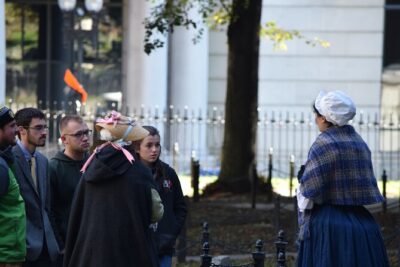 ★ 4.5Freedom Trail Walking Tour 250From $261,118 reviews
 ★ 5.0Boston Freedom Trail History Pub Crawl Small-Group TourFrom $60996 reviews