
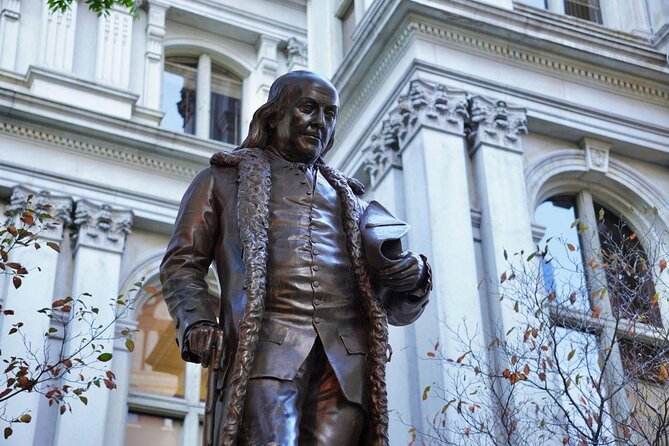
REVIEW · FREEDOM TRAIL WALKING TOURS
Boston History and Freedom Trail Private Walking Tour
Revolutionary Boston is right under your feet. This private walk follows the Freedom Trail storyline from downtown toward the Boston Public Garden, with a guide who connects key moments to what you can actually see today. I love that it feels personal, with a small group vibe so you can ask questions without getting swept into a crowd.
I also like the stop selection. You cover major landmarks like Granary Burying Ground (free entry) and the Old North Church, plus you get the North End sights tied to Paul Revere and the Revolutionary era. It is the kind of route that helps you go from names in a textbook to real street corners and real buildings.
The main tradeoff is the on-foot time. You’ll be walking for about 2 to 4 hours, so plan on keeping your pace steady and wearing comfortable shoes.
Key highlights worth your attention
- Private-group feel with guided stops across downtown, the North End, and the Seaport area
- Granary Burying Ground brings you face to face with Revolutionary figures, with free admission
- Old North Church (built 1723) is a standout stop tied to the lead-up to the Revolution
- Freedom Trail storytelling includes major episodes like the Boston Tea Party and the Boston Massacre
- Great city views from the Massachusetts State House dome area, plus a finish at the Boston Public Garden
Other ways to walk the red brick, compared
Revolution on Foot: What You Get in 2 to 4 Hours
This tour is built for people who want more than a checklist of landmarks. In a half-day window, you get a guided storyline that moves through Boston’s colonial beginnings and the events that shaped early America. And because it’s private, you can stay focused on the parts you care about most, instead of trying to keep up with a giant group.
The pacing is designed for walking, not museum time. You’ll spend short stretches looking around, listening, and absorbing the setting, then moving on. It’s a smart format if your schedule is tight, and you want history that has a clear beginning, middle, and end.
One practical note: the tour lists multiple locations, but not every named spot is guaranteed. That usually means your guide may adjust based on the day’s flow, what’s accessible, or timing. So think of the experience as a guided Freedom Trail arc, not a rigid script.
Price Per Group: When $245 Makes Sense
At $245 per group (up to 12), the value depends on how many people are in your party. If it’s just two of you, it can feel like a premium. But if you’re traveling with friends, or you can fill a small group, the per-person cost becomes much easier to swallow.
Here’s the upside of the private setup: you’re paying for guidance and time spent together, not for “your place in line.” Many people choose this style because they’d rather ask questions and get context than rush through on their own. If you’re the kind of visitor who likes history details tied to specific streets, you’ll likely feel the payoff.
Also, booking tends to happen well ahead of time, with an average booking window around 29 days. If you have fixed plans, lock it in early so you’re not scrambling later.
Starting at 191 Atlantic Ave and Ending at Boston Public Garden
You meet at 191 Atlantic Ave, Boston, MA 02111, with a 1:00 pm start time. From there, your walk brings you into the downtown core and along the Freedom Trail storyline.
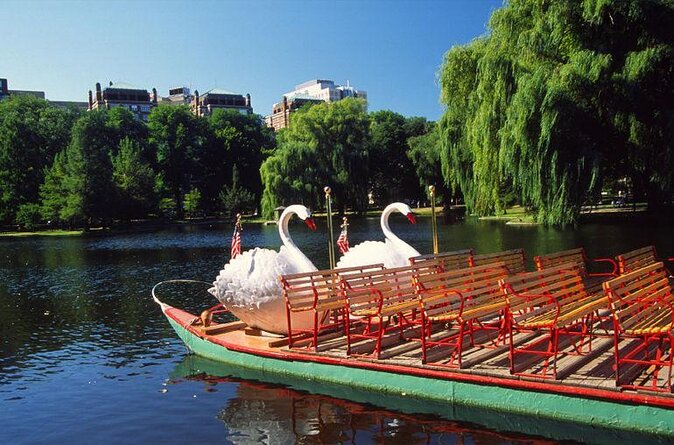
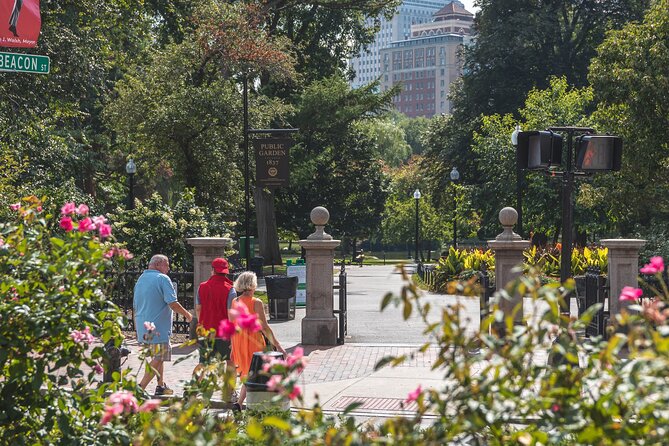
The finish at Boston Public Garden is a nice touch. It gives your tour a natural “release valve,” because you’re not ending in the middle of a traffic knot. Public Garden is a pleasant place to sit for a few minutes, regroup, or head to your next plan.
You’ll use a mobile ticket, and the meeting point is near public transportation. That makes the logistics easier if you’re coming from a hotel that’s not right in the downtown core.
Beacon Hill Streets and Faneuil Hall Marketplace Set the Tone
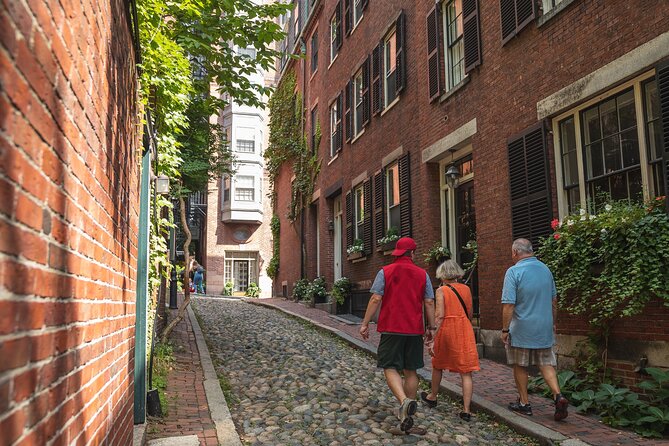
Right away, you get a sense of Boston’s architecture and street character. The tour highlights an area with classic red-brick streets that visually show how the city’s older neighborhoods evolved. This part matters because it trains your eye. After this, the big Revolutionary landmarks hit harder, since you’ve already seen how the city looks in older parts of town.
Then you move into Faneuil Hall Marketplace, a key anchor for Boston’s civic life. Faneuil Hall began as a public market house and assembly room, and it later became a site for major speeches. What I like about starting here is that you’re placed in the “who spoke and why it mattered” layer of history, not just the “where did an event happen” layer.
In practical terms, this is also a location where you can spot the difference between past and present Boston. You’ll pass through an area with unique shops and food stands, so your guide can help you connect the Revolutionary era to what’s happening on the same streets today.
More of Boston from the top of the list
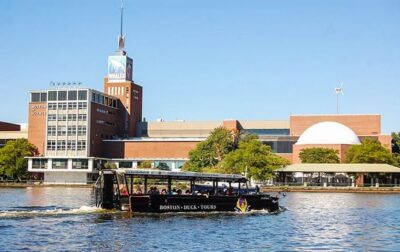
Granary Burying Ground: From 1660 to John Hancock and Friends
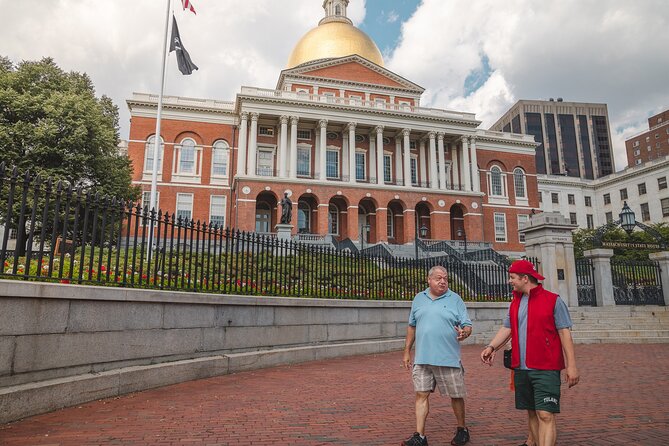
Granary Burying Ground is one of those stops that feels instantly serious, even if you’re not a “cemetery person.” The grounds date back to 1660 and originally were part of Boston Common, so you’re standing on layers of city growth.
This stop includes the final resting places of major Revolutionary figures like John Hancock, Paul Revere, and Sam Adams. That’s a powerful trio because it compresses Boston’s Revolution story into a place you can actually walk around. Your guide adds context, so it becomes less about names on stone and more about the people and pressure behind the events.
Timing is tight here, and the tour keeps the visit around 10 minutes. That’s enough to see what you came for without turning the whole walk into a long pause. Best of all, admission is free, so you don’t need to plan around tickets or extra costs.
North End Icons: Paul Revere’s Home and Old North Church
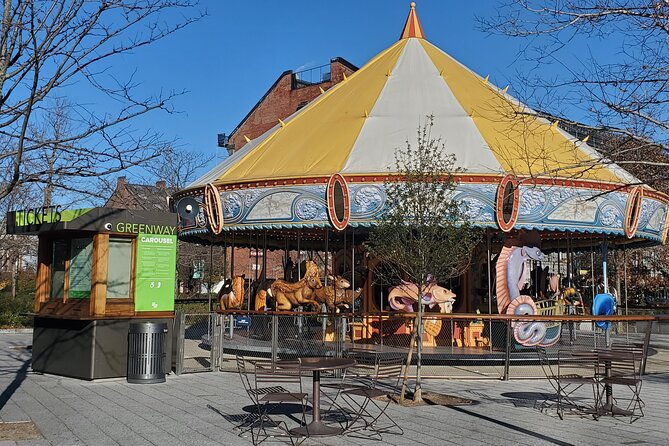
The North End section is where the tour starts to feel like a storybook block-by-block. You see historic buildings tied to Paul Revere’s home and the Old North Church area. That matters because the Freedom Trail is not just monuments. It’s neighborhoods, homes, and streets where daily life and political events collided.
Old North Church is built in 1723 and is described as the oldest standing church building in Boston. Your guide focuses on how it played an important role in the colonial era leading up to the American Revolution. Even if you already know the broad outline of the Revolution, this stop helps you connect the building to the timing, tension, and communication of that period.
If you like history you can see, this is a high-impact segment. And if you like food and coffee, you’re in the right neighborhood. The tour area is known for Italian eateries and local cafes, with locally roasted coffee spots. Just remember: food isn’t included, so any stops for snacks or drinks are on your own time and budget.
Tea Party Sites, Speeches, and the Old Meeting House Moment
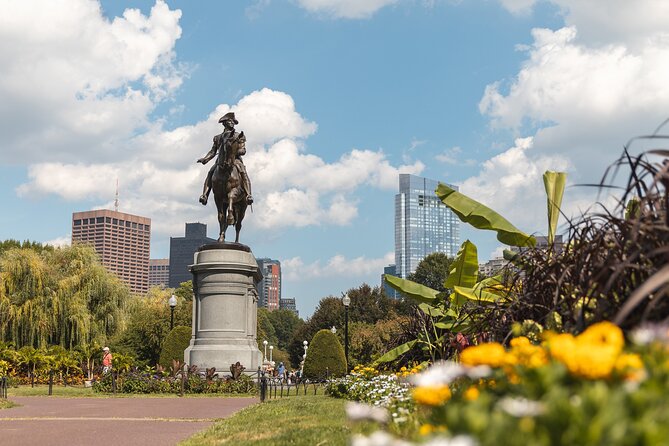
The Freedom Trail’s big turning points come fast, and the Boston Tea Party moment is one of them. The tour takes you to a church-related site connected to how the action began in 1773, described as the largest building in the city that night. Standing near that kind of location helps you understand why secrecy, crowds, and public symbolism were so important.
What I like about this part of the walk is that it does not treat the Tea Party like a single dramatic scene. Your guide frames it as a piece of a larger conflict, tied to political pressure and colonial resistance.
Also, your route is designed to keep moving. You’ll pass by other downtown landmarks in sequence, and the tour weaves them into the story so the details feel connected rather than scattered.
Old State House and the Boston Massacre Location
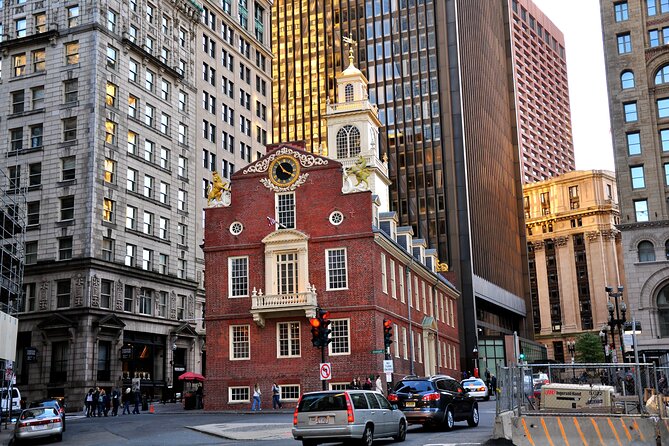
The Old State House area is one you do not want to rush. It’s iconic, and it’s tied to the Boston Massacre site, which your guide explains so it clicks with what you might already remember from school history.
This is one of those moments where the guide’s role is huge. The story becomes easier to hold when you understand why the location mattered at the time and how the building’s function connected to conflict. You also get a better sense of how Boston’s civic spaces became stages for national-level tensions.
If you’re the kind of person who likes photos, stop and look around here. The building’s presence helps you visualize how close people were to decision-making, and how quickly anger could turn into public events.
Massachusetts State House Dome Views and the First Bookstore Link
Next, you get a classic Boston visual payoff. The Massachusetts State House dome is designed and built by Charles Bulfinch in 1798, and it makes a great photo marker for understanding the shift from colonial self-rule toward more formal government. From the outside, you also get views toward modern Boston, including the skyscrapers of Downtown and the Financial District, plus the John Hancock Tower.
This is where the tour’s mix of old and new city scenes feels intentional. You’re not stuck in the past, because Boston today still sits on the same geography that shaped early events.
You’ll also pass by the site of the first bookstore in Boston, tied to publishing history connected to Thoreau’s Walden, Hawthorne, and Longfellow. The tour connects these literary references to Paul Revere’s Ride, helping you see how Revolutionary-era stories stayed alive through print and poetry.
It’s a smart way to broaden the meaning of the Freedom Trail. History is not only what happened in 1773 or 1775. It is also how later generations remembered, retold, and gave those events language.
Seaport District Paces, Art, Food Scene, and the Final Walk to Public Garden
The tour includes time around the Seaport District, where you can look out over modern streets and take in the art and food scene in the area. Your guide also helps tie this modern energy back to the city’s evolution, so it does not feel like a random detour.
You’ll finish back at Boston Public Garden. That end point is practical, and it’s pleasant. After a history-heavy walk, you get somewhere comfortable to sit and reset.
One more practical angle: because food and drink are not included, you can use the Seaport and downtown locations as optional breaks. Some guides may make room for a quick local drink stop, but you should assume anything like that is extra.
Who This Tour Fits Best, and Who Might Want to Adjust
This is a strong fit for first-time Boston visitors who want a guided, connected Freedom Trail experience without getting lost in logistics. It’s also ideal if you enjoy asking questions and steering the pace. Guides on this walk have a habit of working with your interests, so if you care more about political events, civic buildings, or the human stories tied to names, you can steer the conversation.
It’s also a good option if you want variety in a short time. You’ll move through downtown streets, historical church-related stops, cemetery ground, and city-view points. The route helps you build a mental map of Boston that you can use later when you explore on your own.
The tour might feel like a stretch for you if you need a slower pace, lots of restroom breaks, or frequent indoor stops. It’s built around walking, and you’re scheduled for about two to four hours of movement. Wear good shoes and plan to keep your attention on the walk itself, not on lengthy stops inside museums.
If your group is very interested in one single site, like only churches or only battle history, you might still enjoy it, but you may want to complement it with a separate focused activity later. This one is a balanced arc, not a deep dive into a single landmark.
Final Verdict: Should You Book This Private Freedom Trail Tour?
I think this is worth booking if you want a guided Freedom Trail storyline that connects Revolutionary events to real buildings and real neighborhoods. The private-group format helps a lot, especially for people who hate feeling rushed or want to ask questions while you’re standing right where history happened.
It’s also a smart value when you’re splitting the cost across a group, since the price is per group up to 12. If you’re traveling as a small party of two, it’s still a good experience, but you should go in knowing it’s a premium for the private guide and the added context you get.
If you want history that feels specific, walks that make sense, and an ending in a comfortable downtown spot, this one checks those boxes. Just bring comfortable shoes, be ready to walk, and expect your guide to shape the day around the story, not just the signage.
FAQ
How much does the Boston History and Freedom Trail Private Walking Tour cost?
It costs $245.00 per group, up to 12 people.
How long is the tour?
The tour runs about 2 to 4 hours.
Where do we meet for the tour?
The meeting point is 191 Atlantic Ave, Boston, MA 02111.
Where does the tour end?
The tour ends in Boston, including a finish at Boston Public Garden.
Is this tour private?
Yes. Only your group participates.
What is included in the tour price?
A local, English-speaking guide is included, along with visits to sites connected to the Boston Massacre, Boston Tea Party, and Battle of Bunker Hill, plus North End stops like Paul Revere’s home and Old North Church, and views around the Seaport District.
Is admission required for Granary Burying Ground?
No. Granary Burying Ground is listed as free admission.
Are food and drinks included?
No. Additional food and drink are not included.
Are service animals allowed?
Yes, service animals are allowed.
What should I wear?
Wear comfortable shoes, since it is a walking tour.
More Tour Reviews in Boston



Keep Going in Boston
The Red Line, Three More Ways


More around Boston, freshly written up
- The Boston Bash Scavenger Hunt★ 4.5 · 3 reviews
- Self-Guided Audio Tour of Boston North End★ 4.5 · 3 reviews
- Self-Guided Boston Christmas Tour★ 5.0 · 3 reviews
- Self Guided “The North End Pizza, Cannoli and Picnic” Solo Walking Tour★ 5.0 · 3 reviews
- Cambridge: Haunted Charles River Cruise★ 4.3 · 3 reviews
- Boston: Official Freedom Trail® Lantern Tour★ 4.7 · 3 reviews
Freedom Trail Walking Tours, compared.
 ★ 5.0Freedom Trail History Small Group Walking TourFrom $356,450 reviews
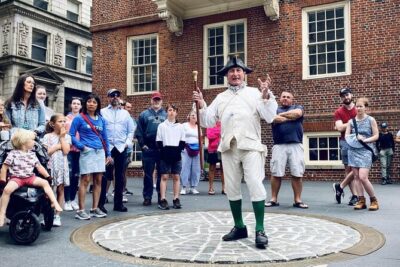 ★ 4.5Boston Freedom Trail Walking Tour with Costumed GuideFrom $262,531 reviews
 ★ 5.0Boston Food & History: Pizza, North End & Freedom TrailFrom $901,772 reviews
 ★ 4.9Boston’s Freedom Trail: A Revolutionary Walking TourFrom $311,748 reviews
★ 4.9Freedom Trail History Small Group Walking TourFrom $351,590 reviews
★ 5.0Boston’s Freedom Trail: A Revolutionary Walking TourFrom $311,343 reviews
★ 4.9Boston’s Freedom Trail: A Revolutionary Walking TourFrom $311,748 reviews
★ 4.9Freedom Trail History Small Group Walking TourFrom $351,590 reviews
★ 5.0Boston’s Freedom Trail: A Revolutionary Walking TourFrom $311,343 reviews
 ★ 4.5Freedom Trail Walking Tour 250From $261,118 reviews
 ★ 5.0Boston Freedom Trail History Pub Crawl Small-Group TourFrom $60996 reviews
Also filed under