
REVIEW · REVOLUTIONARY BOSTON HISTORY TOURS
Boston: Old State House/Old South Meeting House Museum Combo
Old buildings can still feel like they are arguing with you today. This combo lets you step into the Old State House and then continue to the Old South Meeting House, where the people’s politics leading to the Boston Tea Party comes into focus. One drawback to plan for, the Old State House is not currently accessible and has many stairs.
I like that the ticket is simple: one day, two sites, and you can enter at either location in any order. You are also in the heart of downtown Boston, with the two addresses just a few minutes apart on foot, so you are not burning your day commuting between attractions.
Key takeaways before you visit

- Two historic buildings, one story thread linking royal authority and popular protest
- Three-minute walk between Old State House and Old South Meeting House
- One admission ticket for both sites plus exhibits and gallery talks
- Accessibility notes you should follow before you plan your route
- Clear on-site rules (no food, no smoking, no large bags) that keep the museums comfortable
More of the revolution, from the tea to the bridge
Old State House and Old South Meeting House: why these two buildings matter
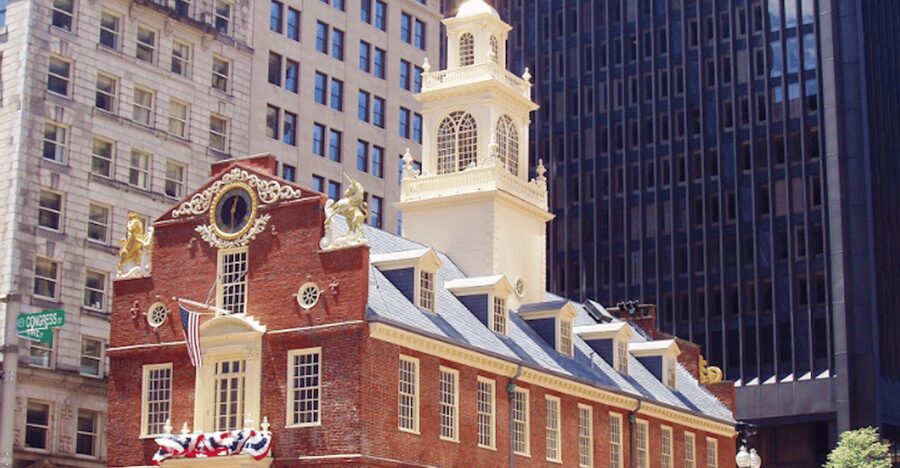
If you care about how democracies actually get built, this pair of museums is a smart stop. The connection between the Old State House and the Old South Meeting House gives you a full arc, from the top down, royal government in Massachusetts, to the bottom up, public pressure and mass meetings.
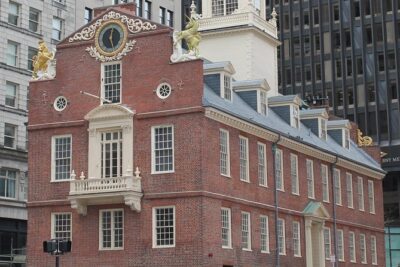
The Old State House was constructed in 1713 and served as the center of royal government in the Massachusetts Bay colony. That matters because it puts you in the place where power was organized, decisions were made, and conflict could play out in public view. This is also where several dramatic Revolutionary era events unfolded, including the Boston Massacre.
Then you move to the Old South Meeting House, built in 1729. This was the largest building in colonial Boston, and it became the setting for the most stirring mass meetings that helped drive the Boston Tea Party and the American Revolution. In other words, you are not just reading about history. You are moving from where authority sat, to where citizens gathered and argued back.
Revolutionary-era politics can sound abstract until you stand in the physical spaces. Here, the big themes are clear: self-government, free speech, and civic engagement. And because the sites are so close to each other, you can keep that story line straight without backtracking across town.
How to plan your day on the Freedom Trail with two short museum stops

This is a flexible, self-paced museum combo. Your ticket is valid for 1 day, and it is good for entry during opening hours at either site. Both locations are open daily between 10 AM and 5 PM, with periodic closures around holidays or for special events, so check current hours before you head out.
You can visit in any order, and each site is about a three-minute walk from the other. That short distance is one of the best value pieces here. You can walk from one building to the next without planning around traffic, transit schedules, or long walks in bad weather.
A practical way to structure your time:
- Start with whichever building is easier for your schedule that day, then cross the street-free gap on foot.
- Aim to slow down for the key exhibits and any gallery talks offered at each site.
- If you are combining this with other Freedom Trail stops, keep your momentum, but do not rush the reading. These museums work best when you connect the political ideas to what you are seeing.
The combo is also ticket-efficient. You are not paying twice for two separate admissions on two separate days. You are paying once for two sites that tell related stories.
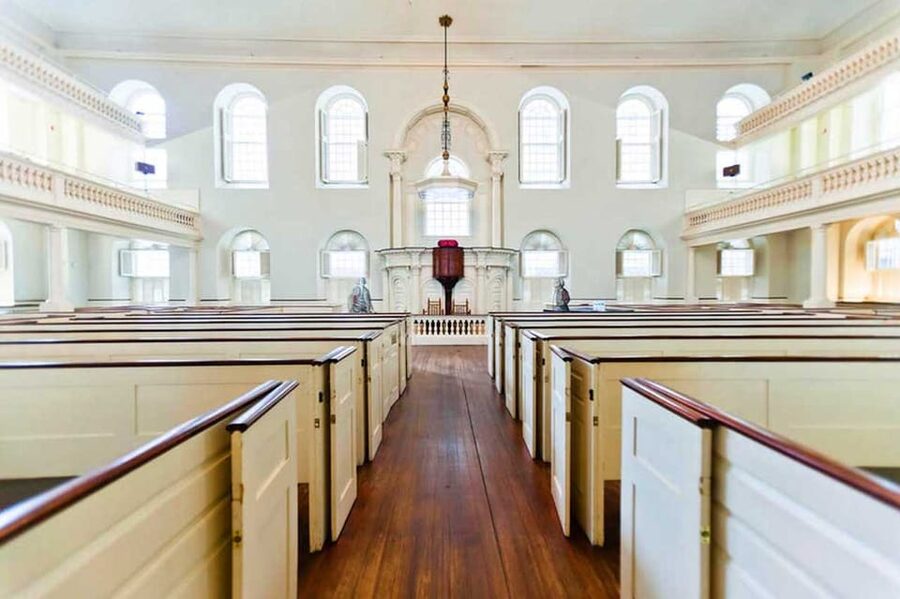
Old South Meeting House: mass meetings, Tea Party organizing, and good accessibility

The Old South Meeting House is the politics-of-the-people half of this experience. Built in 1729, it was the largest building in colonial Boston and became the meeting point for the discussions that led to the Boston Tea Party and the American Revolution.
In practical terms, this is the stop where the civic energy shows up. You are looking at a space designed for groups to gather and take public action. Even before you get deep into exhibits, the building’s purpose helps you understand why mass meetings mattered so much. It was not just talk, it was organizing.
From a comfort and access standpoint, this building is a strong choice. The Old South Meeting House is wheelchair accessible, with elevator access to the restrooms and the Museum Store on the lower level. If mobility access is a priority for your day, you will appreciate that.
What to expect once you are inside:
- Museum exhibits and galleries tied to the Revolutionary era
- Gallery talks available as part of what your ticket covers
- Educational offerings and public programs that can add context if they line up with your timing
- The same freedom to go in and out within the open hours, since the ticket is valid for the day
If you like history that connects to real civic behavior, you will likely find this building hits the hardest. It is where you feel the shift from being governed to helping govern, even when the system is pushing back.
Old State House: royal government, the Boston Massacre era, and the stairs reality
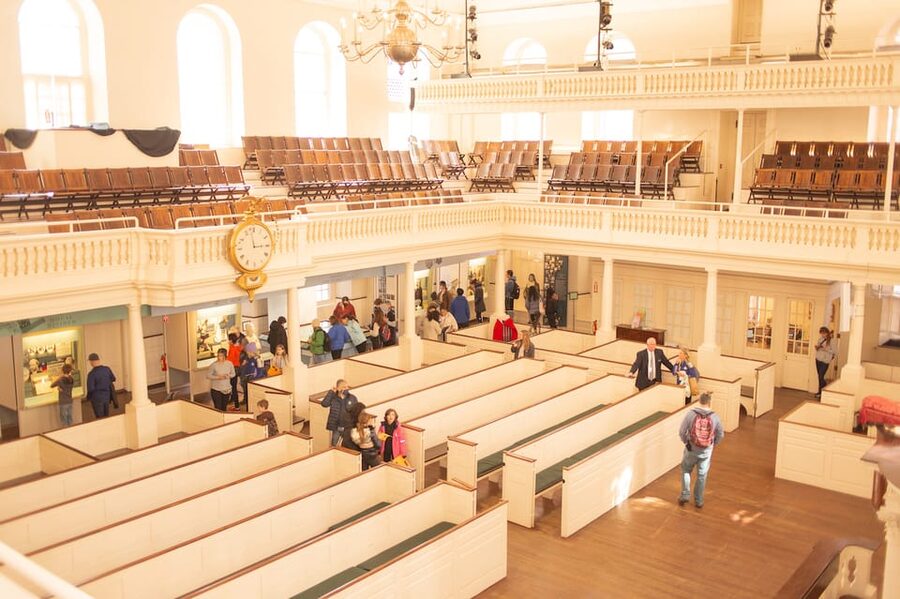
The Old State House is the top-down power side of the story. Constructed in 1713, it was the center of royal government in the Massachusetts Bay colony. It is also where multiple major Revolutionary era events played out, including the Boston Massacre.
This is the moment where the story gets tense. Royal government was the formal structure of authority. When conflict arrived, it did not stay polite. Events here remind you that political disagreement can become urgent fast, and that public spaces can amplify the stakes.
The big planning note is accessibility. The Old State House is currently not accessible, and there are many stairs in the building. If you use a wheelchair, have limited mobility, or rely on elevators, you may want to spend more of your time at the Old South Meeting House and check what you can realistically access at this site before committing a lot of time here.
Inside, your ticket covers entry to exhibits and gallery talks. Expect thought-provoking displays and interpretive work that connects the building’s role in royal governance to the broader Revolutionary push for self-rule.
If you are a walker, prepare for the experience to feel more physical than the Old South site. The stairs are the key factor, and it is worth building your day around that, rather than hoping you can muscle through.
More passes that bundle the big ones


Ticket value and practical pricing, one day for two museums
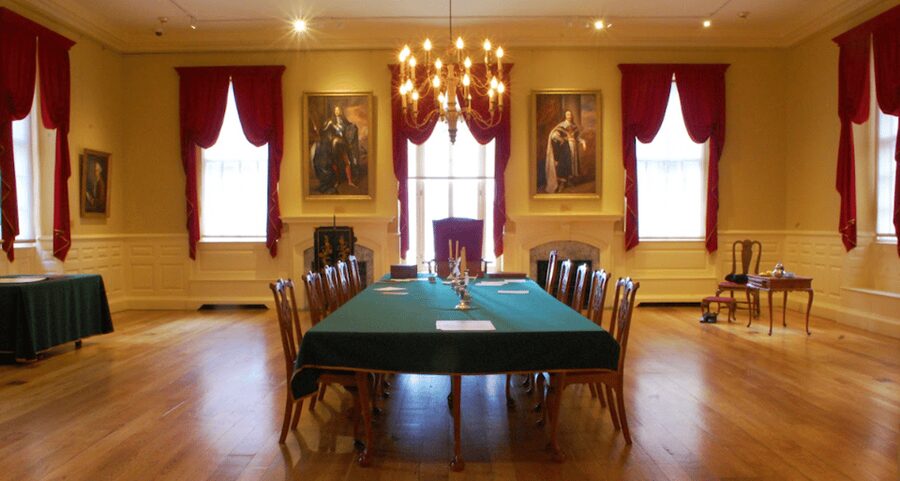
At $15 per person, this combo is a solid value for downtown Boston. The price covers entry to both Revolutionary Spaces sites: the Old State House at 206 Washington St. and the Old South Meeting House at 310 Washington St. It also includes access to all exhibits and gallery talks available at each site during open hours.
Here is why that matters for your decision. Many Boston attractions nickel-and-dime you with separate admissions. This one keeps it tight: you pay once for two connected museums that are only minutes apart on foot. You also get a full thematic pairing, royal authority and mass public organizing, without paying for two unrelated attractions.
If you belong to groups eligible for free admission, this gets even better:
- Active US Military, with free admission for up to five guests
- Veterans through the Blue Star Museums program
- Massachusetts teachers
- EBT cardholders
Tickets for these individuals are available on site, and you need identification or proof as required.
One small note: there is a donation option at checkout. If you care about how public history is presented and updated, this is a chance to support the museum work directly.
Before you go: rules that keep it smooth, plus what to bring
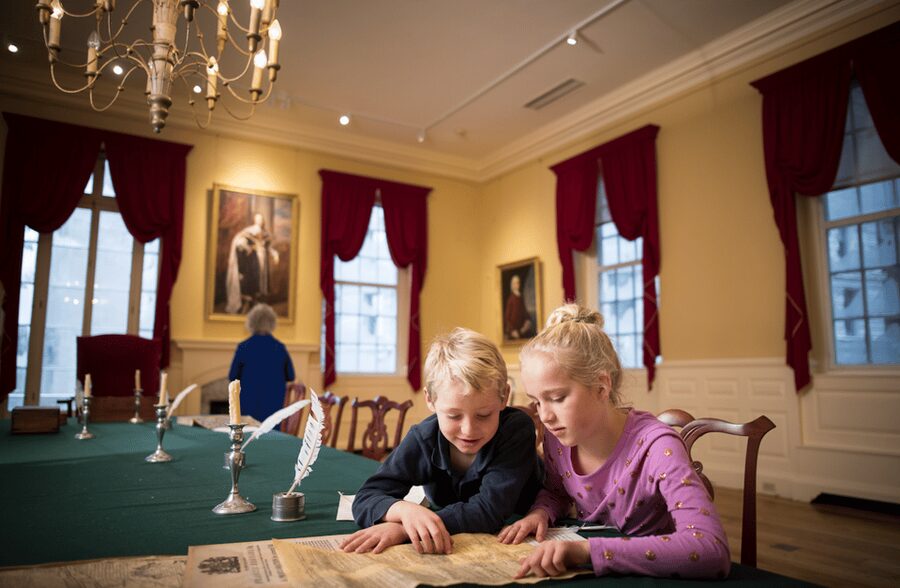
This is a straightforward museum visit, but the site rules are worth knowing so you do not waste time at the entrance. The museums do not allow:
- Weapons or sharp objects
- Smoking
- Food and drinks
- Luggage or large bags
If you are carrying a backpack, try to keep it manageable. If you are traveling with anything bulky, plan to store it before your museum stop.
Also note where to enter: you can enter at either site during open hours. The ticket is designed so you can start at the Old State House or the Old South Meeting House, and you can visit in any order.
For hours, rely on the museum’s posted schedule. Both sites are open daily between 10 AM and 5 PM with periodic holiday closures or special-event closures, so it is smart to confirm before you step out.
Who this combo suits best, and who might want a different plan
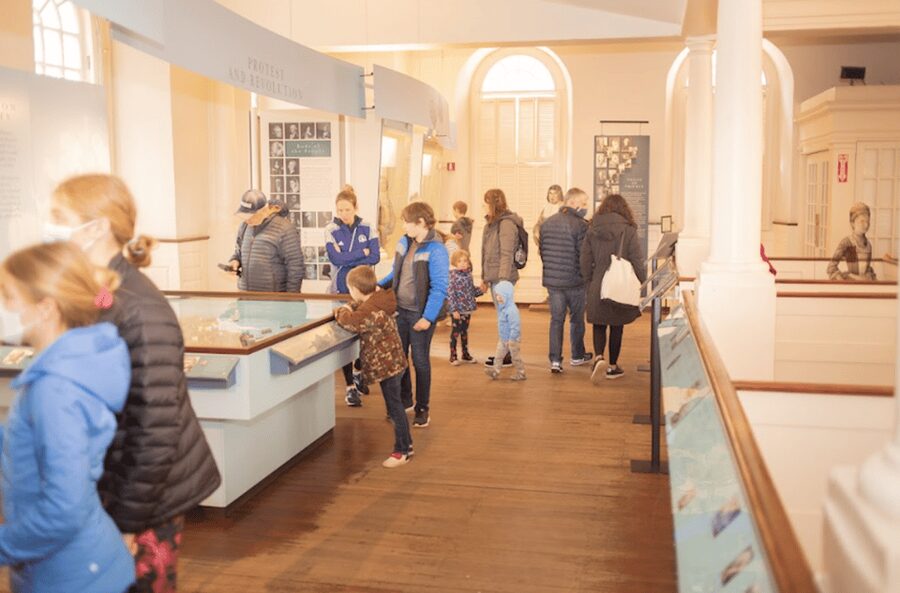
This experience fits well if you like history that connects ideas to real spaces. The themes are not generic. They point directly at urgent civic questions, self-government, free speech, and civic engagement, and you see both sides of that argument through these buildings.
It also works for people who want efficient sightseeing. Two sites, one ticket, and a short walk between them is a good match for a day that includes other downtown attractions on the Freedom Trail.
It might be less ideal if you need the Old State House to be accessible for your visit. Because the Old State House is currently not accessible and has many stairs, your experience will depend on whether you can comfortably handle that. In that case, you can still do this combo by focusing on what you can access at both sites, but go in with your eyes open.
Finally, if you expect hotel pickup, this ticket does not include it. You are handling your own arrival and walking.
Should you book the Old State House and Old South Meeting House combo?

I would book it if your goal is to understand Revolutionary politics in a place-based way, without spending a whole day on long transit rides. The $15 price for two major downtown sites, with the freedom to enter at either location and visit in any order, makes it a practical choice.
I would pause before booking if mobility access at the Old State House is a non-negotiable requirement for you. The Old South Meeting House is wheelchair accessible, but the Old State House has many stairs and is not currently accessible, which can shape your day.
If you like walking the Freedom Trail and want two meaningful stops that connect directly to the Boston Tea Party era, this combo is a strong pick.
FAQ
What does the $15 ticket include?
Your ticket provides two site admission to Revolutionary Spaces historic sites, Old State House and Old South Meeting House, including entry to their exhibits and gallery talks available during open hours.
Can I visit both sites on the same day?
Yes. The ticket is valid for 1 day, and you can enter during open hours at either site.
Do I have to visit the sites in a specific order?
No. You can visit in any order, and you can enter at any point during open hours at either location.
How far apart are the two museums?
They are about a three-minute walk apart, and they are located just two blocks from each other in downtown Boston.
What time are the sites open?
Both attractions are open daily between 10 AM and 5 PM, with periodic closures around holidays or for special events. It is a good idea to check revolutionaryspaces.org for current hours.
Is the experience accessible for wheelchair users?
Old South Meeting House is wheelchair accessible, with elevator access to the restrooms and Museum Store on the lower level. Old State House is currently not accessible and has many stairs.
Are there any items I cannot bring inside?
Yes. Weapons or sharp objects are not allowed, smoking is not allowed, and food and drinks are not allowed. Luggage or large bags are also not allowed.
Is free admission available for certain groups?
Yes. Revolutionary Spaces provides free admission with ID for Active US Military (including up to five guests), Veterans (Blue Star Museums), Massachusetts teachers, and EBT cardholders. Tickets for these individuals are available on site with required identification or proof.
Keep Going in Boston






More Passes Worth Bundling


More Revolution in Boston





More around Boston, freshly written up
- The Boston Bash Scavenger Hunt★ 4.5 · 3 reviews
- Self-Guided Audio Tour of Boston North End★ 4.5 · 3 reviews
- Self-Guided Boston Christmas Tour★ 5.0 · 3 reviews
- Self Guided “The North End Pizza, Cannoli and Picnic” Solo Walking Tour★ 5.0 · 3 reviews
- Cambridge: Haunted Charles River Cruise★ 4.3 · 3 reviews
- Boston: Official Freedom Trail® Lantern Tour★ 4.7 · 3 reviews
Revolutionary Boston History Tours, compared.
 ★ 4.5Boston Tea Party Ships and Museum AdmissionFrom $352,512 reviews
 ★ 5.0The Full Revolutionary Story Epic Small Group Boston Walking TourFrom $552,356 reviews
 ★ 4.8Boston Tea Party Ships and Museum Interactive TourFrom $351,926 reviews
 ★ 4.9Boston’s Freedom Trail: A Revolutionary Walking TourFrom $311,748 reviews
★ 5.0Boston’s Freedom Trail: A Revolutionary Walking TourFrom $311,343 reviews
 ★ 5.0Entire Freedom Trail Walking Tour: Includes Bunker Hill and USS ConstitutionFrom $79732 reviews
 ★ 5.0Boston’s Revolutionary and Drunken Past with Ye Olde Tavern ToursFrom $91195 reviews
 ★ 4.8Boston History & Highlights Tour: From Revolution to TodayFrom $44178 reviews