

REVIEW · CAPE COD AND PROVINCETOWN DAY TRIPS
Provincetown West End History Tour
Provincetown’s West End holds stories in every few blocks. This 1 hour 45 minute walking tour connects maritime rescue history, early Cape Cod homes, and the town’s oddball seaside character in a tight, easy route.
I especially like the casual pace and the way Cathy explains what you’re seeing right in front of you. I also love the mix of places, from the U.S. Coast Guard legacy at the station to Long Point’s lighthouse and the famous floating homes concept.
One thing to plan for: it’s a walking route and there aren’t public restrooms along the way, so you’ll want to handle that before you start. Also, the tour depends on good weather, since the route is outdoors.
Key things to know before you go

- Short stops, real context: each location is timed so you get the why, not just the what.
- Maritime history everywhere: Coast Guard roots, shipwreck-linked building materials, and working harbor scenes.
- Long Point Lighthouse details: a green flashing light every 4 seconds, solar-powered since 1982, and an active navigational aid.
- The Floaters story: homes moved across Provincetown Harbor on low tides, rather than abandoned.
- Photo-friendly Commercial Street: inns and landmark buildings make for quick, good snapshots.
Further out on the Cape
Entering Provincetown’s West End: what this tour is really about

Provincetown’s West End isn’t just picturesque. It’s a condensed history lesson where the sea shaped everything, from rescue services to how people built homes and where they ended up when life got tough.
This tour runs about 1 hour 45 minutes and is priced at $60 per person. That value comes from the fact that you’re not paying for a bus ride or a long sit-down lecture. You’re getting an organized walk that hits big story points in a small area. Most stops are free to enter, which helps keep the overall cost down.
It’s also a private tour, meaning only your group goes out with Cathy. That matters in places like Provincetown, where you want your questions answered on the spot, not after the fact. The tour is offered in English, and you’ll get a mobile ticket for the experience.
You’ll meet at the U.S. Coast Guard Station Provincetown at 125 Commercial St, then the tour ends at Pilgrims’ First Landing Park. The start time is 2:00 pm, so it works nicely if you like a late afternoon stroll through town.
US Coast Guard Station Provincetown: rescue history that explains the harbor
The first stop is right where you’d expect Provincetown’s maritime story to begin, the US Coast Guard Station Provincetown. The history here traces back to the U.S. Coast Guard presence in Provincetown and its predecessor, the United States Life-Saving Service, with roots in the 19th century.
What I like about starting here is that it sets the lens for the whole walk. Once you understand that this wasn’t just a scenic harbor, but a place where ships got into trouble, a lot of the later details make more sense. Provincetown became a town that adapted for survival, and the Coast Guard and its earlier life-saving work are part of that bigger picture.
This stop is brief, about 10 minutes. You won’t leave with a full textbook of Coast Guard history, but you will get the main storyline fast. And because the tour moves on quickly, you stay out in the real streets instead of circling the same idea too long.
If you like practical context, this opening works. You’ll get a feel for why the sea influenced the town’s identity, not just its scenery.
72 Commercial St Seth Nickerson House: Cape Cod style with shipwreck echoes
Next is 72 Commercial St, the Seth Nickerson House, often called the Oldest House in Provincetown. Built around 1746 to 1750, it’s one of the oldest structures in the area and a great example of a full Cape Cod-style home.
Pay attention to the details. The house has that classic symmetrical front with double windows on either side of a central doorway, and windows that sit right up near the eaves, which is a key early-construction trait. Inside the story gets even more interesting: there’s a beehive-shaped brick oven at the rear of the main fireplace, a rare feature in homes built before 1750.
One of the most memorable parts is the reported origin of some building materials. The story says the house was constructed using materials salvaged from shipwrecks. That may sound like local lore, but it fits the theme you’re seeing across the walk, Provincetown’s people repurposed what the sea gave them, even when the sea brought disaster.
Expect around 10 minutes here. For value, this is a smart stop because the building is still there to look at, and Cathy’s explanation gives you a “read the façade” approach instead of just passing by it.
Captain Jack’s Wharf at 73A Commercial St: from working wharf to quirky condos

Captain Jack’s Wharf is at 73A Commercial Street and reaches into Provincetown Harbor. It was built in 1897 by Jackson R. “J.R.” Williams, a local trap fisherman, and it originally supported fishing operations with shacks for storing and repairing nets and gear.
Then, over time, it became something very Provincetown. Today it’s a colorful collection of 12 condominium cabins, a popular spot for people who want that quirky harbor feel.
What makes this stop worth your time is the contrast. You’re seeing how a working landscape got reimagined without losing its coastal identity. You get the sense of a town where old industries didn’t just disappear, they got transformed into something visitors can experience, while still tied to the harbor’s shape and history.
This is another short stop, about 10 minutes. Use that time to look at how the wharf extends into the water, because that physical layout helps explain why it worked for fishing in the first place.
If you enjoy photo moments, this is usually one of the easier ones. Waterfront lines and colorful structures make it simple to get good pictures without chasing perfect angles.

Long Point Beach and Long Point Lighthouse: the harbor entrance story

Long Point is a remote-feeling peninsula at the tip of Provincetown’s West End, and the lighthouse marks the entrance to Provincetown Harbor. This is where the tour turns from streets into a more dramatic coastal viewpoint.
The Long Point Lighthouse was built in 1826 and rebuilt in 1875. It’s a 35.5-foot square white brick tower with a black lantern, and it’s the third lighthouse on the site, replacing earlier structures from 1816 and 1826.
Here are the details that make it feel real, not just symbolic:
- It shows a flashing green light every 4 seconds.
- The light is visible for 8 nautical miles.
- It’s solar-powered since 1982.
- It has been automated since 1956.
Keeper’s house context matters too. The keeper’s house is now privately leased, but the lighthouse remains an active navigational aid within the Cape Cod National Seashore.
This stop runs about 10 minutes. That might sound short, but the lighthouse is the destination. You’ll get the main technical story, then you can take in the view. Even on a breezy day, the trick is to give your eyes a minute to adjust, because the harbor feel is part of what makes the lighthouse meaningful.
The Long Point Floaters: homes moved instead of abandoned

The next piece of the puzzle is the Long Point Floaters, historic homes that were originally built in the early 19th century at Long Point, a fishing village on the remote peninsula.
Long Point was established around 1818 and at its height had about 38 homes plus community buildings like a school, post office, bakery, and saltworks. Then the pressures started: overfishing, declining salt prices, and the sheer isolation. Residents began relocating in the 1850s.
Instead of abandoning their houses, about 30 to 40 families floated their homes across Provincetown Harbor on flat-bottomed scows during low tide. They resettled mainly in the West End and also in other parts of town, including Commercial, Bradford, Atwood, and Point Streets.
This is one of the stops I’d treat as a “listen carefully” moment. The idea is wild, but the logic is practical. It tells you how survival worked in a place where people depended on fishing and salt, and where moving an entire structure was sometimes easier than rebuilding from scratch.
You’ll spend about 15 minutes at this section. Use it to look around and connect streets you’ve just walked with the story you’re hearing. Even if the houses themselves are not all physically visible in one glance, the idea explains why the West End grew the way it did.
Commercial Street icons: inns built on views and maritime luck

After the Floaters, the tour moves into a stretch of Commercial Street where you see how Provincetown’s coastal identity turned into hospitality and art-minded living.
Land’s End Inn, 22 Commercial St
Land’s End Inn is a historic, luxurious bed-and-breakfast built in 1904 as a summer bungalow by Charles Lothrop Higgins, then turned into an inn in 1926. It sits atop Gull Hill with panoramic views of Provincetown Harbor and Cape Cod Bay.
What I like about this stop is that it shows the shift from survival to style, without pretending the sea isn’t still central. The positioning matters. When a place is built to frame the harbor, it’s making a promise about what you come to Provincetown for.
This is an about 20 minute stop, so you should plan to actually take your time with the view and the building context rather than just glancing and moving on.
The Red Inn, 15 Commercial St
The Red Inn is an upscale inn and restaurant directly on Provincetown Harbor with waterfront views. It dates back to 1805, with parts possibly from 1775. It began as a residence, later served as a boarding house and tavern, and was restored in 1915 and renovated in 2002.
This stop is a reminder that older buildings can still be in active use. That’s not guaranteed in every coastal town, so it’s worth noticing when history lives in a dining room as well as on a plaque.
Provincetown Inn, 1 Commercial St
The Provincetown Inn is a historic beachfront hotel dating to the early 1920s. It sits on land where the Pilgrims reportedly first landed in 1620, and it has full-color murals depicting Provincetown’s past.
For this stop, the value is mainly visual. You’ll get a sense of how Provincetown markets its own story, but in a way that’s tied to real locations. If murals help you remember facts, this is likely your kind of stop.
These three stops together keep the pace interesting. You’re moving through different eras, and the waterfront orientation keeps the theme consistent.
Pilgrim’s First Landing Park: small place, big date

The tour ends at Pilgrims’ First Landing Park, a small memorial park commemorating the Pilgrims’ first landing on November 11, 1620, before they settled in Plymouth.
The park includes a plaque installed in 1917 by the Research Club of Provincetown, marking the spot where the Pilgrims first touched American soil.
This last stop is about meaning more than details. You’ll likely find it grounding after all the maritime-specific stories earlier in the walk. The sea still ties it all together, even though the focus has shifted from rescue and fishing to exploration and settlement.
It’s also a practical finish point, since it’s a park and a logical place to regroup your photos and decide what you want to do next in town.
Pacing, photos, and what to plan for on a West End walk
This is a walking tour with short segments, so it feels manageable even if you’re not into long hikes. Total time is about 1 hour 45 minutes, and the stops are spaced so you can rest your legs between story moments.
Still, plan like it’s Provincetown outdoors. You’re near the harbor and out in coastal weather. Bring a layer, and think about wind. Long Point in particular can feel more exposed than Commercial Street.
Also, take the restroom advice seriously. Go before you arrive. There aren’t public restrooms along the walk, so if you wait until you’re already moving, you’ll feel it.
Parking can be a bit of a hassle, and one helpful tip is that people often park at the Montello-Bradford parking lot, which costs $20. If you plan to drive, it’s worth factoring that in so you don’t arrive stressed.
For food, if you want a practical follow-up, one suggestion tied to this tour is Bubalas on the Bay for lunch. It’s a great place to turn your history facts into people-watching time.
Is the $60 price fair for this 1h45 West End tour?
For $60 per person, you’re paying for guided interpretation, a tight route, and the convenience of having admissions covered for the stops where tickets are required. Most stops on the route list admission tickets as free, which lowers your out-of-pocket cost once you’re there.
What you’re really buying is time and guidance. Cathy’s style comes across as informative but not stiff, and the tour keeps moving so you don’t get stuck in one topic. You also get picture-friendly locations without spending hours trying to find them.
If you’re the type of traveler who likes to understand a place while you’re standing in it, this price makes sense. If you only want a self-guided walk with minimal explanations, you could skip a paid guide. But if you want the stories tied to specific buildings and locations, a guide pays off fast here.
Should you book this Provincetown West End History Tour?
I’d book it if you want a compact, guided walk through Provincetown’s most story-heavy stretch, especially if you care about maritime themes and how practical life shaped the town’s architecture. The route hits a rare mix of rescue history, real old buildings like the Seth Nickerson House, and the Floaters concept that explains why the West End looks the way it does.
Skip it if you strongly dislike walking outdoors, if weather is often unpredictable for your dates, or if you need frequent restroom access during tours, since there aren’t public restrooms along the route. Also, if you expect a slow museum-style pace, you might want something with more time per stop.
If you fit the first group, you’ll probably find this is one of the easiest ways to get a solid grasp of West End Provincetown without turning your day into a wandering scavenger hunt.
FAQ
How long is the Provincetown West End History Tour?
The tour runs about 1 hour 45 minutes.
What does the tour cost?
It costs $60.00 per person.
Where do I meet the guide, and where does the tour end?
You meet at the U.S. Coast Guard Station Provincetown, 125 Commercial St, Provincetown, MA 02657. The tour ends at Pilgrims’ First Landing Park in Provincetown, MA 02657.
What is the starting time?
The tour start time is listed as 2:00 pm.
What stops are included?
The tour includes US Coast Guard Station Provincetown, 72 Commercial St (Seth Nickerson House), Captain Jack’s Wharf (73A Commercial St), Long Point Beach and the Long Point Lighthouse, the Historic District with the Long Point Floaters story, Land’s End Inn, The Red Inn, the Provincetown Inn, and Pilgrim’s First Landing Park.
Are admissions included?
The tour lists admission tickets as free at the stops provided on the route.
Is the tour in English, and is it private?
Yes, it’s offered in English. It’s also a private tour, meaning only your group participates.
Are service animals allowed, and is it near public transportation?
Service animals are allowed, and the tour is listed as near public transportation.
Is there anything to know about restrooms and weather?
The walk has no public restrooms along the route, so it’s a good idea to use the bathroom before arriving. The tour requires good weather, and if it’s canceled due to poor weather, you’ll be offered a different date or a full refund.
More Tours in Cape Cod





More Tour Reviews in Cape Cod

Further Down the Cape


More around Cape Cod, freshly written up
- Ziplining and Climbing at The Adventure Park on Cape Cod★ 3.5 · 3 reviews
- Provincetown West End History Tour★ 4.5 · 3 reviews
- Private and Fully Customizable Cape Cod Dream Boating Adventure★ 5.0 · 4 reviews
- Provincetown Self-Guided Walking Audio Tour★ 5.0 · 5 reviews
- Provincetown Prowl Scavenger Hunt★ 4.5 · 6 reviews
- National Seashore Tour with Guided Hike★ 5.0 · 7 reviews
Cape Cod and Provincetown Day Trips, compared.
 ★ 4.5Boston to Martha’s Vineyard Day Trip with Optional Island TourFrom $1293,162 reviews
 ★ 4.6Martha’s Vineyard Day Trip with Optional Island TourFrom $129573 reviews
 ★ 4.5Martha’s Vineyard Day Trip with Optional Island Tour from BostonFrom $130407 reviews
 ★ 4.0Cape Cod & Provincetown Self-Guided Driving & Walking Audio TourFrom $24207 reviews
 ★ 4.5Provincetown and Cape Cod High Speed Ferry to/from BostonFrom $79170 reviews
★ 4.6Martha’s Vineyard Day Trip with Optional Island TourFrom $120123 reviews
★ 4.5Provincetown and Cape Cod High Speed Ferry to/from BostonFrom $79170 reviews
★ 4.6Martha’s Vineyard Day Trip with Optional Island TourFrom $120123 reviews
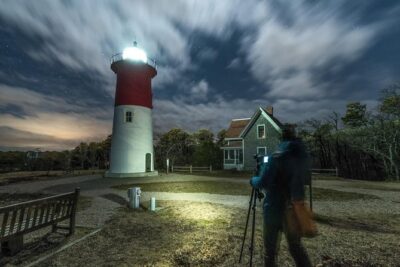 ★ 5.0Private Guided Night Photography Tours on Cape Cod (for one photographer.)From $42538 reviews
 ★ 5.0Chatham Bites and Sights Walking Guided Food Tasting TourFrom $9828 reviews
Also filed under