
REVIEW · BOSTON TOURS
Boston Sightseeing Tour – a fully-narrated driving tour
Boston can feel like one long postcard. This private, fully narrated driving tour makes the city’s key places click, with stories tied to the Revolution and the neighborhoods you will actually walk through later.
The big win for me is the private guide experience, where you can ask questions and get answers in plain language. I also love the way the route packs in major sights like Faneuil Hall Marketplace, Boston Common, and Fenway Park without turning your day into a full walking tour.
One thing to think about: it’s still a 3-hour drive, so you will get mostly views and short roadside moments, not long museum-style stops.
Key highlights you will feel fast
- Private group up to 6 means the guide can pace the story for you
- Peter named in multiple accounts as funny, punctual, and great with details
- Revolution storytelling that ties Boston landmarks to events like the Boston Tea Party
- Neighborhood variety from the North End through Back Bay and more
- Comfort matters with an air-conditioned vehicle for narrow streets and weather swings
- Photo and question windows exist, but timing can be firm when traffic hits
More of Boston from the top of the list
A 3-hour private Boston drive tour that turns landmarks into a story
Boston has a lot of history you can read on a plaque. This tour is built for the part you cannot get from reading alone, the cause and effect, the who, the why, and the timing.
You ride with a guide, in a private van, with full narration as you move between major stops. The focus is the arc of Boston history, starting with early colonial days and running through later eras, so the city starts to make sense as one connected place instead of separate attractions.
The reviews also point to a consistent pattern: Peter brings humor, and he answers questions without making you feel rushed. Even with tight streets and slow traffic, the goal stays the same, you get orientation and a strong sense of where things fit.
Price and what $495 for up to 6 actually buys you
$495 is not cheap. But for a private tour, it usually works out better than paying per person for a group tour, especially if your group is maxed at 6 people.
What you are really paying for is time, driving skill, and story density. Boston streets can be narrow and crowded, and this is exactly where a car tour saves energy and stress compared with trying to self-drive your way between iconic points.
It also helps that the tour includes an air-conditioned vehicle and a guide who narrates the whole ride. Since food, drink, and museum fees are not included, you can plan your meal and ticket choices separately, which keeps the tour itself focused.
Pickup zone, timing, and how the route fits a half day
Pickup is offered anywhere within a ten mile radius of downtown Boston. That matters because Boston is split into lots of small, high-demand pockets, and starting near your lodging makes the tour feel like it belongs to your day, not the other way around.
The tour runs Monday through Sunday from 10:00 AM to 3:00 PM. Because it is a short, time-boxed experience, I suggest treating it like your Boston orientation. Use it to learn what you want to visit in depth on a second day, rather than trying to cram everything into the van.
Also note the weather requirement. The operator lists that the tour needs good weather, and if conditions are poor, you will be offered another date or a full refund.
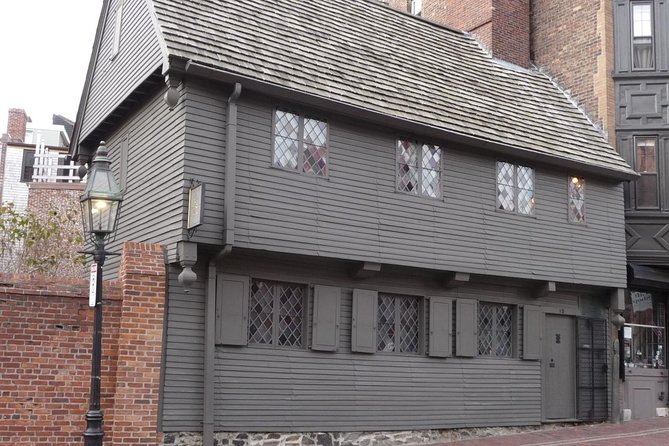
Revere House in the North End: the story starts at home
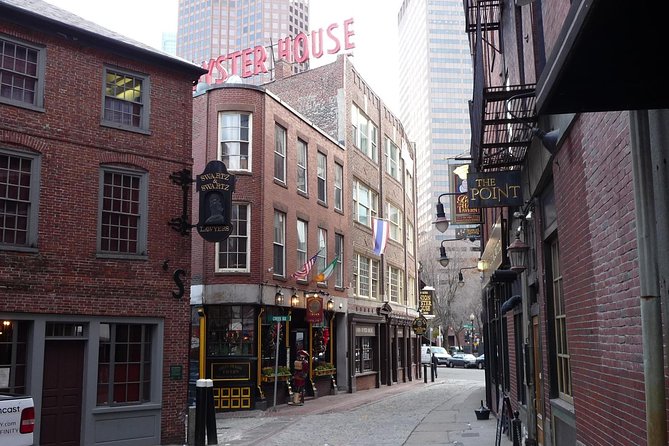
The North End is where Boston’s past feels close. Your drive-by at Revere House sets the tone with Paul Revere’s connection to the city, and it gives you a foundation before you start rolling toward the Revolution sites.
This is a smart setup. If you understand who lived where and why messages mattered, then later places along the Freedom Trail area make more sense. It also helps that the narration can connect Revere’s local ties to the bigger events you will hear about next.
A practical bonus is how you see this area without parking and walking through traffic. If you are coming from a hotel stay or a cruise area, the van timing can save a chunk of the day.
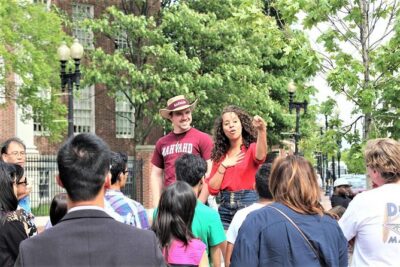
Freedom Trail drive-bys: Revere’s Ride to Lexington and Concord
You then move along the Freedom Trail route by car, with narration that expands from Paul Revere’s story to the broader chain of events. You get the Revere’s Ride angle that links Boston to Lexington and Concord, so the places do not feel random.
From a traveler point of view, the value here is context. The Freedom Trail gets jammed when you try to do it on your own, especially if you are juggling time, weather, and energy. In a short drive format, you can learn the “big picture map in your head,” then choose what to walk later.
One caution: because it is a driving tour, you will likely get more orientation than linger time. If you need deep photo moments at every stop, you should plan that as an add-on after the tour.
USS Constitution and Bunker Hill: maritime power and the siege
USS Constitution is one of those sights that feels instantly iconic. From the road, the narration can explain what made the ship matter and how it fits into Boston’s military role during the conflict period.
Next comes Bunker Hill, and this stop is where the story gains weight. You hear about the Battle and the siege of Boston, and that shift from individual people to large-scale events is exactly what makes the tour feel like more than sightseeing.
Why this section works: it connects Boston’s geography to outcomes. A lot of the city’s Revolutionary-era significance is tied to terrain and timing, not just famous names, and the guide’s pacing helps you grasp that without getting lost in dates.
Faneuil Hall Marketplace and Boston Common: the political engine of Boston
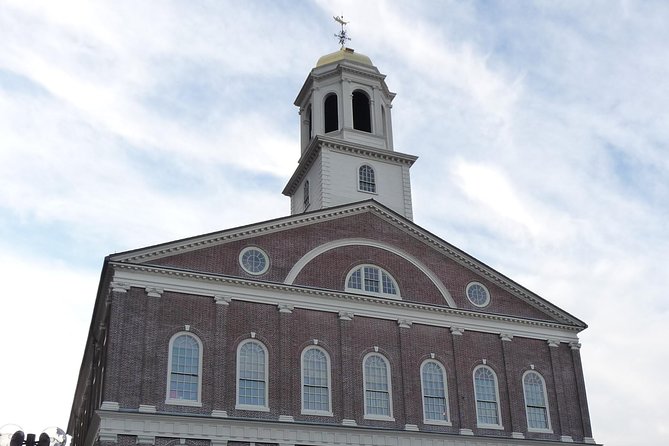
Faneuil Hall Marketplace is often a highlight on any Boston list, but the drive-by narration helps you see why it mattered. You learn about its role as the Cradle of Liberty, and the story connects public gathering spaces to political pressure and action.
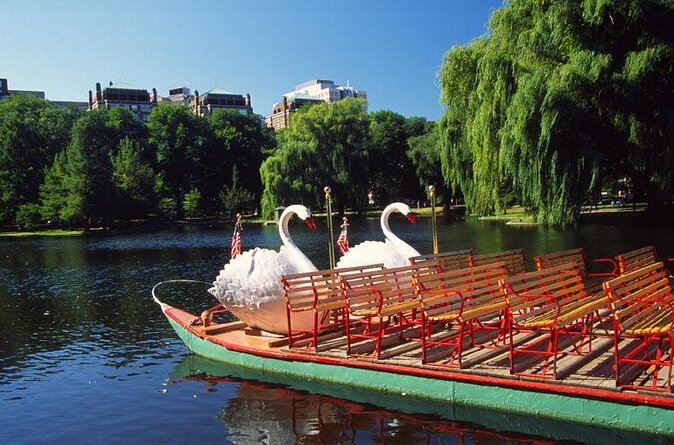
Then the tour moves to Boston Common, another anchor point. The narration here gives you the “before and after” of how Boston used this space, which makes the Common feel less like a park and more like a civic stage.
This is a great part of the tour for first-timers. You start to recognize the city core layout, so later when you walk on your own, your brain already knows what you are looking at.
If you have only one day in Boston, this section alone can steer your next choices. You may walk these areas afterward with better questions in mind.
Back Bay and architecture drives: seeing the city’s style in motion
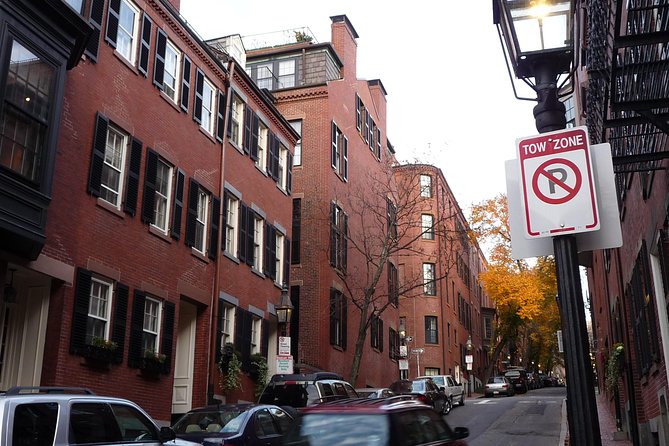
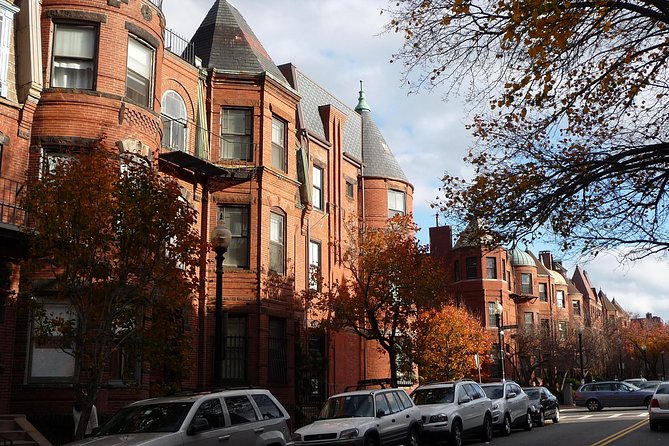
Back Bay is where Boston’s design language becomes obvious. From the road, you get narration about development and architecture, and you can spot the difference between older neighborhoods and later growth patterns.
What I like about this portion is how it changes gears. After Revolution-era stops, the tour shifts to city planning and building styles, which helps the history feel like it continues forward, not just frozen in one time period.
The same pattern repeats through additional architecture drive-bys. You might catch views of areas that connect to what you will later see walking, and the guide helps you make sense of why certain blocks feel the way they do.
If you get motion sickness easily, a car tour is still usually manageable, but Boston traffic can slow you down. Keep that in mind if you prefer very slow, very quiet sightseeing.
Fenway Park and Red Sox talk: sports history as modern Boston identity
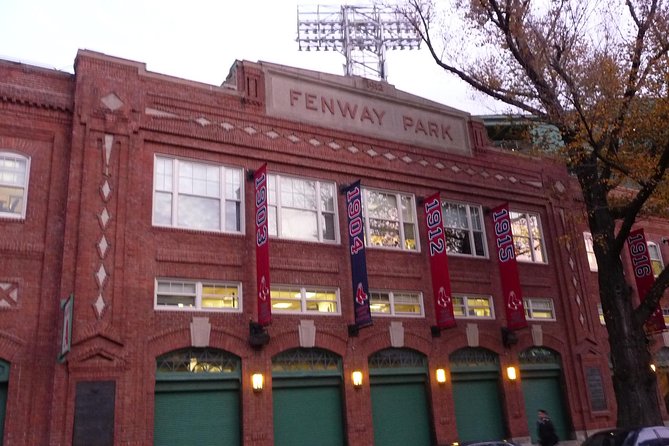
At some point on the route, you will drive by Fenway Park and get the Boston Red Sox context. Sports can sound like a detour, but here it works as a way to understand modern Boston identity.
This stop also helps the tour breathe. Instead of only Revolutionary-era gravity, you get a different kind of local pride, one that still drives how people experience the city.
A practical note: Fenway is in an area where streets can be tight. The guide’s driving skill and timing matter, and multiple accounts mention that this tour handles narrow roads well.
If you are a baseball fan, you will likely enjoy the way the guide links the park to Boston’s broader timeline. Even if you are not, it gives you a recognizable landmark to remember the city by.
Beacon Hill, the South End, and quick orientation to more neighborhoods
Some of the route includes drives through neighborhoods like Beacon Hill and the South End. Even when you do not park and walk, the narration can point out the feel of the streets and how the city’s different parts developed.
For me, this is one of the most underrated benefits of a driving tour. You get a mental map. Later, when you decide where to eat or where to spend an extra hour, you are not starting from zero.
This is especially useful if you are traveling with mixed ages or different walking tolerance. One account specifically points to using a private van as a good option when walking is harder.
The downside is also simple: you will not get the same sidewalk-level detail you get when you park and explore. Use this part to choose where to go next.
Harvard and Cambridge glimpses, plus Copley Square and Old North Church
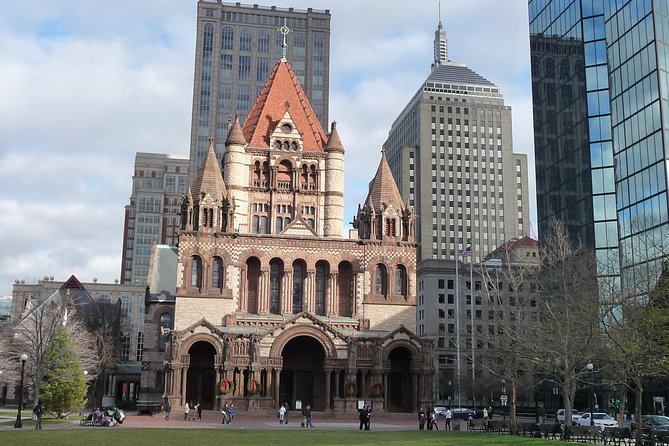
Depending on routing and timing, the drive can include views connected to Harvard and MIT, which are in Cambridge, plus classic stops that line up with major Boston landmarks like Old North Church and Copley Square. You may also hear about Trinity Church in the Copley Square area.
This is one reason I think the tour is a good fit for short trips. In roughly three hours, you can cover a spread of “you will want to remember this” sights, including some that many travelers treat as separate day trips.
Just keep expectations realistic. A driving pass can show you positioning and scale, but it cannot replace an actual visit where you go inside and spend time.
If you know you want to see a specific campus building or church interior, treat the tour as your guide to what matters. Then plan a follow-up with walking routes and set time.
The Boston Tea Party build-up: how the narration connects the dots
One of the tour’s core promises is Boston history, including the Boston Tea Party. The narration also discusses events leading up to the Tea Party, and that build-up is where the tour feels most useful.
When you hear the lead-up in sequence, the Tea Party stops feeling like a single dramatic headline. It becomes a chain of pressure, decisions, and consequences that connect multiple places in the city.
This is also where the guide’s storytelling style matters. In multiple accounts, Peter is described as funny, patient with questions, and willing to add details that you will not find on a standard brochure.
If you like history that explains cause and effect, you will probably enjoy this part a lot. If you only want quick photo moments, you may find yourself zoning in and out during the longer context segments.
Comfort, pacing, and the big balancing act with tight city time
Most of the experience happens while you are rolling through town. The good news is the van is air-conditioned, and the route avoids long walking stretches in weather that can swing quickly.
Pacing is the key balancing act. Many accounts praise Peter for being punctual and for handling Boston driving well, including tight streets. That matters because traffic is not predictable, and the guide cannot control it.
Still, one negative account highlights a possible drawback: the tour is time-boxed, and the guide may be firm about staying within the three-hour window. If you want lots of extra stops, linger time, or multiple photo moments, you might need to manage expectations.
My practical advice: ask for photo stops early, not repeatedly mid-route, and decide in advance what you absolutely want to see up close. Let the guide know if you have a must-hit priority.
Who should book this private Boston sightseeing tour, and who should skip it
I think this tour is a strong choice if you want a guided overview fast. It is ideal for first-time visitors, people with limited time, and families who want history without everyone grinding through parking and walking.
It is also a good fit if you like your city learning to be story-based. The repeated praise for humor and detailed answers suggests the guide can keep attention while still giving real context.
You might skip it if your top priority is museum-level exploration at each stop. This is a driving format, and the tour does not include museum fees or long visits.
It also may not be your best match if you dislike fixed time limits. One account mentions disappointment about not extending past the allotted window, and that tells me timing control is a real part of the experience.
Should you book it? My call for value and timing
If you are landing in Boston for a short trip, this is one of the best ways to build a usable mental map quickly. The combination of private guiding, major landmark coverage, and narration that connects Revolution sites to the wider story is a lot of value for a half day.
Because it is popular, you should book ahead. The average booking time listed is about 74 days, which usually means schedules fill, especially around weekends.
My “book it” checklist is simple:
- You want a guided orientation more than you want deep museum time
- You will enjoy history that links places to events like the Boston Tea Party
- Your group can max out at up to 6 and you like a private format
- You want to reduce walking on busy days, while staying comfortable in an air-conditioned van
If that sounds like your style, I would go for it. You will likely come away knowing where you are, why the landmarks matter, and what to target next.
FAQ
How long is the Boston sightseeing tour?
It runs for about 3 hours.
Is pickup included, and where does it start?
Pickup is offered anywhere within a ten mile radius of downtown Boston.
What is the meeting time window?
The tour operates Monday through Sunday from 10:00 AM to 3:00 PM.
What languages is the tour offered in?
The tour is offered in English and includes a mobile ticket.
What’s included, and what’s not?
Included is an air-conditioned vehicle. Food, drink, museum fees, and souvenirs are not included.
Can I cancel for a full refund?
Yes, you can cancel up to 24 hours in advance for a full refund. If it is canceled due to poor weather, you will be offered another date or a full refund.
More Tours in Boston

More Tour Reviews in Boston
Keep Going in Boston
More around Boston, freshly written up
- The Boston Bash Scavenger Hunt★ 4.5 · 3 reviews
- Self-Guided Audio Tour of Boston North End★ 4.5 · 3 reviews
- Self-Guided Boston Christmas Tour★ 5.0 · 3 reviews
- Self Guided “The North End Pizza, Cannoli and Picnic” Solo Walking Tour★ 5.0 · 3 reviews
- Cambridge: Haunted Charles River Cruise★ 4.3 · 3 reviews
- Boston: Official Freedom Trail® Lantern Tour★ 4.7 · 3 reviews
Boston Tours, compared.
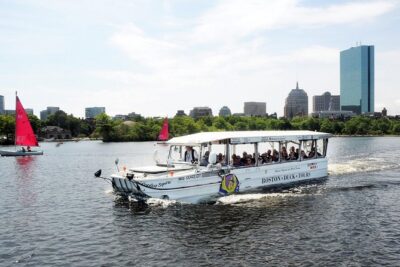 ★ 4.5Boston Duck Boat Sightseeing City Tour with Cruise Along Charles RiverFrom $599,378 reviews
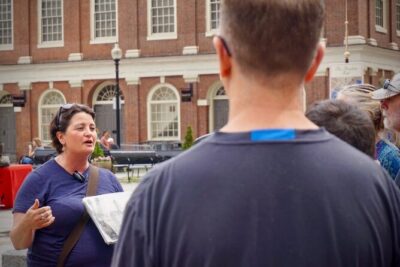 ★ 5.0Freedom Trail History Small Group Walking TourFrom $356,450 reviews
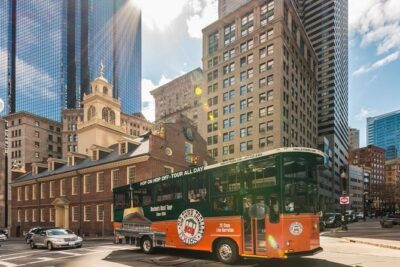 ★ 4.5Boston Hop-On Hop-Off Trolley Tour with 13 StopsFrom $525,576 reviews
 ★ 4.5City Cruises Whale Watching CruiseFrom $854,710 reviews
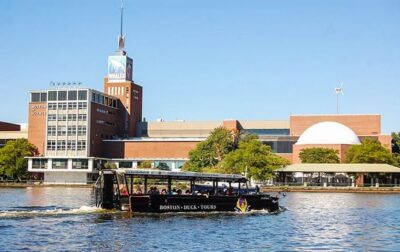 ★ 4.6Boston Duck Tour: The Original and World-FamousFrom $603,935 reviews
 ★ 4.8Boston Fenway Park: Guided Ballpark Tour with OptionsFrom $203,606 reviews
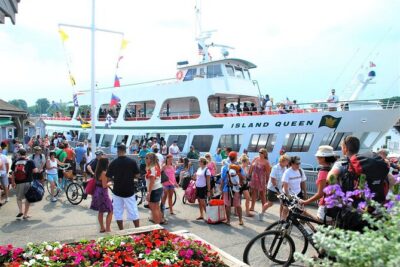 ★ 4.5Boston to Martha’s Vineyard Day Trip with Optional Island TourFrom $1293,162 reviews
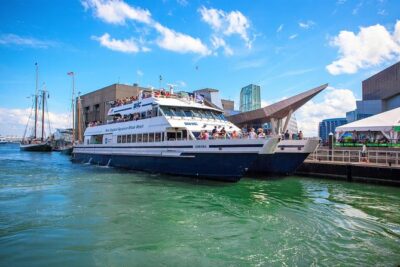 ★ 4.5City Cruises Boston Whale Watching Cruise by High-Speed BoatFrom $853,115 reviews