

REVIEW · WALKING TOURS
Boston: In Cold Blood True Crime Guided Walking Tour
Boston crime stories start where you least expect. This Boston true-crime walking tour turns everyday sidewalks into a timeline of executions, duels, strikes, and schemes across the last 400 years. You’ll hear 13 cases, from the 17th century to today, all tied to real places in the city.
I love how the stories connect big-name offenders like Jane Toppan and famous schemers to specific Boston corners you can stand on. I also like the guide-led pace, with clear details that help the cases make sense without turning the walk into a blur.
One thing to consider: it is a walking tour that is not recommended if you cannot walk more than a mile, and it runs rain or shine. If your legs are iffy, this is the decision point.
Key things you will notice on this Boston true-crime walk

- Meet at the George Washington Statue in Boston Public Garden, and your guide is easy to spot in a white Junket t-shirt holding a flag
- Thirteen crime stories stretch from the 1600s to modern-day mysteries
- Real cases with messy testimony, including the Karina Holmer murder mystery and the contradictions investigators faced
- The Ponzi scheme backstory, plus schemer names like Clark Rockefeller and Charles Ponzi
- Old Granary Burial Ground and body snatching, one of those topics you would likely walk past without context
- Small-group moments happen, so you may get extra Q and A time with guides like Andrew or Freddie
More of Boston from the top of the list
Where the tour starts, and why Boston Public Garden matters

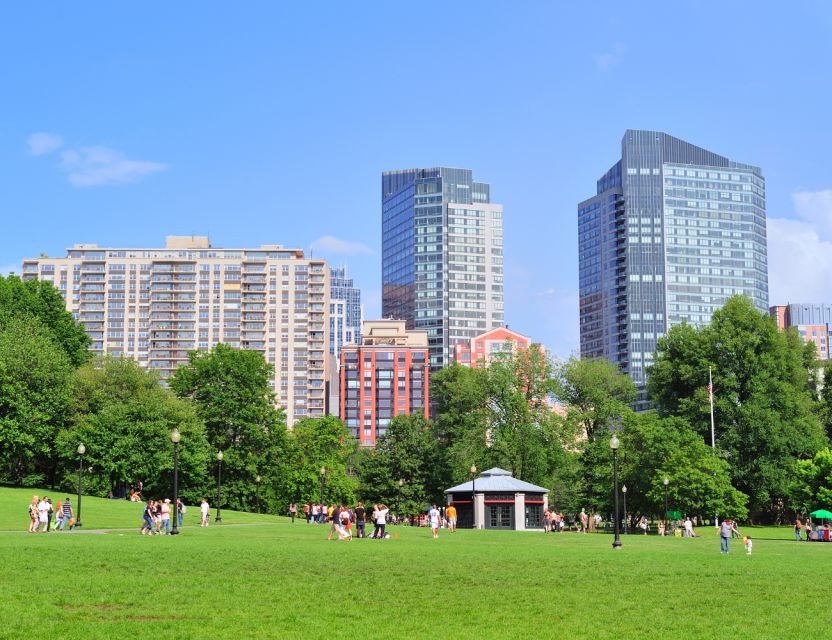
The experience kicks off at the George Washington Statue in Boston Public Garden. That matters more than it sounds, because it sets up the tone fast. You are in a familiar, pretty spot, then you’re guided toward the darker threads of what happened around it over centuries.
Expect a guide in a white Junket t-shirt, carrying a flag for easy identification. This is helpful because Boston Public Garden is busy, and you want a quick visual way to find the right group. The tour is also in English and runs about two hours, so you get enough time to hear multiple cases without feeling dragged around the city all day.
The route is built for foot traffic, not buses. You’ll be moving stop to stop, learning why each location earned its place in Boston’s criminal storybook.
The Jane Toppan opening: how Boston sets a serial-killer tone
The first stop focuses on Jane Toppan, described as one of America’s earliest serial killers. Starting with her at the Boston Public Garden gives the tour a clear signal: this is not just about famous crimes. It’s about how Boston’s history shows up in everyday geography.
This opening works well if you like true crime but also want a structure. You get a big, memorable name up front, then the guide can build out how Boston handled fear, scandal, and investigation before modern systems existed. It also gives you a baseline for the rest of the walk, because you quickly learn what the tour means by unsolved murders, schemes, and contradictory testimony.
If you’re sensitive to heavy subject matter, know that the tour includes execution stories and murder cases. It’s history-focused, but it is still true crime.
Benjamin Woodbridge and an 18th century duel stop

One of the specific scenes you’ll stand at involves Benjamin Woodbridge. The tour places you where Woodbridge fell, bleeding, after an 18th century duel. Even if duels are something you’ve only heard about in books, standing in the city while a guide explains what happened gives the story weight.
This kind of stop is useful because it changes the angle from sensational to procedural. You’re not just hearing a name and a date. You’re watching the narrative get built around a location, a conflict, and what people said afterward.
A duel can also be a fast way to understand a different kind of violence. It is not organized crime the way many people picture it. It can look personal, even performative. That helps you see Boston’s “true crime” as a long-running theme, not a single era.
The Karina Holmer murder mystery and why testimony matters
Next, the tour moves into a more investigator-style story with the Karina Holmer murder case. The key detail here is the chaotic and contradictory testimony that left investigators stumped.
This is one of the most practical segments for anyone who likes how cases are solved. Contradictory testimony is the kind of real-world problem that shows up in lots of investigations, even when technology improves. The tour uses this stop to highlight how witnesses, statements, and timing can create confusion.
For you, that means the tour isn’t only about what happened. It’s also about why some answers stay out of reach. If you’ve ever wondered how true crime can feel both dramatic and frustrating at the same time, this part explains that tension without needing extra gore or shock.
More of Boston on foot
Schemes on the move: Clark Rockefeller and the Ponzi origin story
A big theme on this tour is scheming, and not just petty scams. You’ll get the origin story behind the Ponzi scheme, along with mentions of Clark Rockefeller and Charles Ponzi.
This section is valuable because it explains how “crime” can include fraud and manipulation, not only violence. Boston fits this story well because it has long been a place where money, reputation, and institutions intersect. When the guide ties these schemers to places in the city, it becomes easier to see how financial crime can be rooted in local networks and public trust.
The Ponzi scheme topic is also a good anchor if you want something that feels familiar in modern life. Once you understand the origin story, other points about human behavior make more sense. Greed, persuasion, and the pressure to believe can be as decisive as any weapon.
Old Granary Burial Ground and the body snatching story

One stop you should not skip is the Old Granary Burial Ground, with its history of body snatching. This is the kind of topic that sounds like a spooky side note until a guide puts it into a bigger frame.
Body snatching stories connect crime to science, desperation, and the way society treats death. Even if you think you know the general idea, you’ll probably appreciate how the guide links it to the actual burial ground location. That is the special value of a guided walk, you’re not just reading about something. You’re standing near the physical anchor for it.
If you like your true crime with a bit of human edge, this stop delivers. If you prefer only courtroom drama or modern investigations, it may feel more like historical shock. Either way, it’s memorable.
The rest of the stops: what the tour covers besides the headline cases

Beyond the named stories, the walk includes additional stops built around the same theme of criminal behavior over centuries. The tour description specifically calls out executions, duels, strikes, and schemes.
That matters because it prevents the tour from becoming one-note. Instead of only serial killers or only fraud, you get a wider “crime map” of Boston. It also gives you a better sense of how many different types of wrongdoing can leave a mark on a city.
You’ll also investigate mind-boggling mysteries and unsolved murders. This is where the guide’s storytelling matters, because unsolved cases require careful framing. The best tours do not claim certainty when the evidence does not support it. On this one, the tone is built around what can be known versus what stays unclear.
Guide style, pace, and the one-on-one effect you might get
The guides on this tour seem to bring real energy and solid command of details. Names like Andrew and Freddie come up in the guide praise, and what they’re praised for is consistency: explaining clearly, keeping a good pace, and staying responsive to questions.
That last part is a big deal. A walking tour can easily become a one-way lecture. Here, the structure leaves space for you to ask. And when the group is small, you can get one-on-one attention, which makes a difference for true crime fans. You get to zero in on the case angle you care about instead of just absorbing the highlights.
The pace also matters because you only have two hours. When the guide keeps it moving, you don’t lose the thread, and you can enjoy the stops instead of rushing past them.
Price and value: is $35 worth a 2-hour walk?

At $35 per person for a 2-hour guided walking tour, the value depends on what you want most: stories or sites.
If you prefer doing cities your own way, you might see a lot of places without the context. The big payoff here is that the tour gives you 13 crime stories tied to real spots, including major names like Jane Toppan and famous schemes like Ponzi. That turns what could be a random walk into a curated set of moments, all with a guide who can explain why those locations matter.
It’s also a fair price range for a guide-led experience that includes well-researched history and multiple stops. Two hours is long enough to feel like you did something meaningful, but short enough to fit into a Boston afternoon without committing to the whole day.
You are also told you skip the line through an express security check. That is the kind of small time-saver that can matter if you’re juggling other plans.
What to bring and what to expect during the walk
Plan for the practical stuff up front. You should wear comfortable shoes, because it’s a walking route and it is not recommended if you cannot walk more than a mile. Bring weather-appropriate clothing, because the tour runs rain or shine.
The tour also has clear boundaries:
- No smoking
- No alcohol and drugs
- No video recording
If you’re the type who likes to document everything on your phone, this tour asks you to adjust. You can still take notes or use photos if allowed, but video recording is explicitly not part of the deal.
Also, because it’s a true crime format, expect a heavier tone than a basic sightseeing walk. That doesn’t mean it becomes unpleasant, but you should go in knowing you are hearing executions, murder investigations, and body snatching history.
Who should book this Boston true-crime tour, and who should skip it
This tour is a great fit if you like Boston history but you get more excited by the darker side, the crime, the fraud, and the mysteries that didn’t wrap up neatly. It’s also ideal if you want an efficient format. Two hours, multiple cases, and a guide who can keep it clear.
You might especially like it if you care about case structure, like why testimony can conflict or why investigations can stall. If you’re more of a “tell me the story” person than a “give me the facts” person, the guide-led format should still work well because the route ties each case to a place you can point at.
Skip it if walking distance is a problem. The guidance says it is not recommended for people who cannot walk more than a mile. There is also a note that the tour is wheelchair accessible, but the walking limit is the part I would treat as decisive for your comfort.
If you dislike true crime entirely, this one will feel like the wrong kind of subject matter, since the tour is built around crimes from centuries apart.
Should you book Boston: In Cold Blood True Crime Guided Walking Tour?
Book it if you want a Boston true-crime walking tour that gives you specific locations, named cases, and a timeline stretching from the 17th century to today, in just two hours. The strongest reason to go is that the guide makes the city’s past feel physical, not abstract, with stories that land at real stops like the Old Granary Burial Ground and the Benjamin Woodbridge duel site.
Pass or rethink if you cannot comfortably walk more than a mile, or if you need a lighter topic choice. Also consider bringing an open mind about unsolved mysteries, because that is part of the attraction and part of the frustration.
If you like your history with edge, this is a solid, focused way to see Boston from a very different angle.
FAQ
How long is the Boston In Cold Blood true crime walking tour?
It lasts 2 hours.
Where is the meeting point?
Meet your guide at the George Washington Statue in Boston Public Garden. The guide will be wearing a white Junket t-shirt and carrying a flag.
What is the price per person?
The price is $35 per person.
What should I wear and bring?
Bring comfortable shoes and weather-appropriate clothing.
Does the tour run rain or shine?
Yes, it takes place rain or shine.
Is the tour suitable for people who have mobility limits?
It is wheelchair accessible, but it is not recommended for people who cannot walk more than a mile.
Are video recordings allowed?
No, video recording is not allowed.
Are there any restrictions on smoking or substances?
Smoking is not allowed. Alcohol and drugs are also not allowed.
What crime topics does the tour cover?
You will hear 13 crime stories spanning from the 17th century to today, including unsolved mysteries, the Ponzi scheme origin story, and cases such as the Jane Toppan serial killer story, the Benjamin Woodbridge duel, and the Karina Holmer murder mystery.
More Tours in Boston





More Tour Reviews in Boston
Keep Going in Boston

More around Boston, freshly written up
- The Boston Bash Scavenger Hunt★ 4.5 · 3 reviews
- Self-Guided Audio Tour of Boston North End★ 4.5 · 3 reviews
- Self-Guided Boston Christmas Tour★ 5.0 · 3 reviews
- Self Guided “The North End Pizza, Cannoli and Picnic” Solo Walking Tour★ 5.0 · 3 reviews
- Cambridge: Haunted Charles River Cruise★ 4.3 · 3 reviews
- Boston: Official Freedom Trail® Lantern Tour★ 4.7 · 3 reviews
Walking Tours, compared.
 ★ 5.0History and Hauntings of Salem Guided Walking TourFrom $3614,564 reviews
 ★ 5.0Freedom Trail History Small Group Walking TourFrom $356,450 reviews
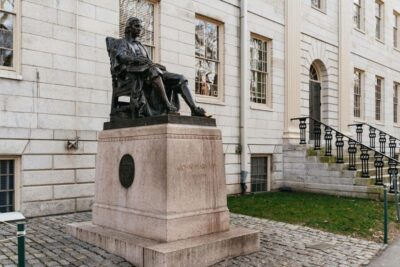 ★ 4.6Cambridge: Harvard University Student-Guided Walking TourFrom $223,931 reviews
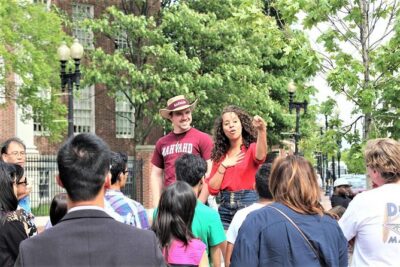 ★ 4.5Harvard University Campus Guided Walking TourFrom $233,632 reviews
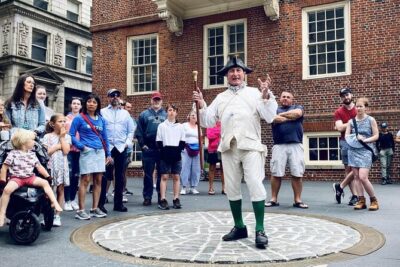 ★ 4.5Boston Freedom Trail Walking Tour with Costumed GuideFrom $262,531 reviews
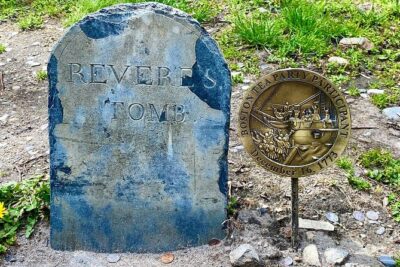 ★ 5.0The Full Revolutionary Story Epic Small Group Boston Walking TourFrom $552,356 reviews
 ★ 5.0Salem Voodoo, Vampires, and Ghosts Guided Walking Tour1,931 reviews
 ★ 5.0Bewitched Walking Tour of SalemFrom $351,895 reviews
Also filed under