
REVIEW · HISTORICAL TOURS
Boston: Chinatown Food Tasting & Cultural History Tour
A walk through Boston Chinatown can feel like turning pages. This 3-hour food and culture tour is built around smart stops, six tastings from local spots, and the story of how Chinese cuisine evolved right here in Boston. I love how the guide brings the neighborhood to life with mini history lessons, and I especially liked the mix of traditional, modern, and Chinese-American bites that keeps you moving and thinking. The one catch: it is not a good fit for food allergies or vegetarians, and there is also a stop with stairs.
If you want a meal that teaches, this tour works. Guides like Andrew and Katie are praised for being personable and keeping the energy up while you snack your way through Chinatown. The main drawback for some people is practical, not academic: you are outdoors and on foot for a big chunk of the tour, and you need comfy shoes.
Key highlights I’d circle on your plan
- Meet right at the Chinatown Gate for an easy start and quick neighborhood orientation
- Six tastings across sweet and savory Chinese and Chinese-American flavors
- Past meets present, including the area’s early restaurant sites and today’s newer spots
- Oldest stops plus second-generation edits, so you can taste change over time
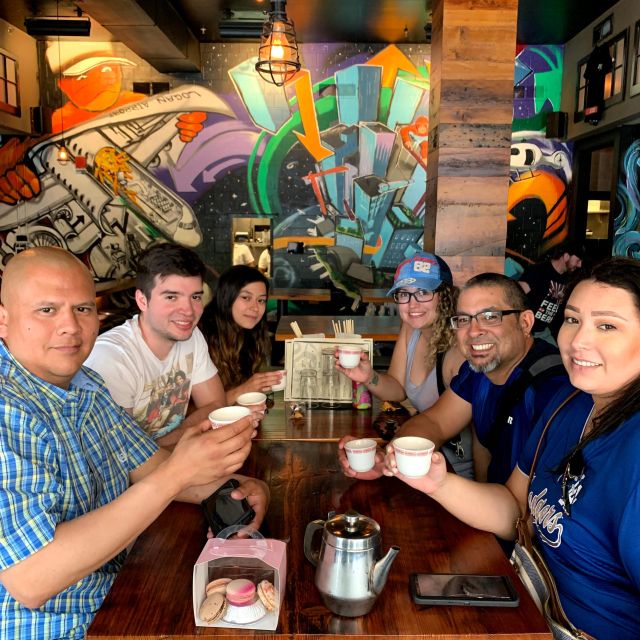
- A cocktail or mocktail finish to wrap up the walk on a fun note
More of Boston from the top of the list
Starting at the Chinatown Gate, then learning fast on foot
I like tours that start where the neighborhood actually begins, and this one does exactly that. You meet at the Chinatown Gate, so you do not waste time figuring out where to stand or which street feels right. From the first minutes, the guide sets the tone, walking you through what makes this part of Boston distinctive and how Chinatown’s story connects to what ends up on your plate.
The tour runs for about 3 hours, and the pace is built for tasting. That means you are not rushing like you are in an airport line, but you also are not lingering forever. The plan is to keep moving while you learn, so you leave with both food in your system and a clearer picture of how Chinese-American culture formed locally.
I also appreciate the people-factor here. In the feedback I saw, guides like Andrew and Katie were described as personable and effective, especially on day-one when Andrew took the lead for the tour. That matters, because the difference between a decent food walk and a great one is whether the guide can connect stories to what you are tasting right now.
Chinatown’s early roots, and why Boston’s version matters
What I find most interesting about this Chinatown tour is the angle: it is not just a list of restaurants. You get a past-and-present look at the neighborhood, including the early days of Chinatown in Boston and the historical events that shaped Chinese-American culture and cuisine here.
You will also see meaningful locations connected to the neighborhood’s beginning, including the first street associated with Chinatown and the site of the first restaurant in the neighborhood. Even if you have been to Chinatown before, these kinds of details change the experience. They turn what looks like a normal grid of streets into a timeline you can actually walk through.
Then the tour keeps moving forward into the modern scene. You do not just focus on the “old days.” You also visit newer establishments tied to second-generation restaurant owners who bring a fresher twist to what Chinatown serves today. That balance is the whole point. Boston Chinatown is not stuck in a single style, and the food tells that story better than any museum panel ever could.
Six tastings of Chinese, modern Chinese, and Chinese-American classics
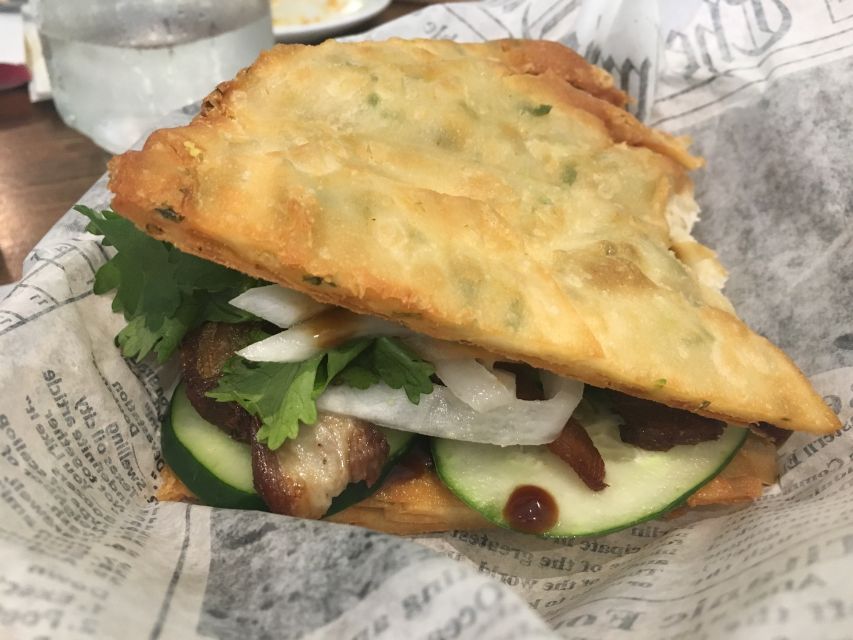
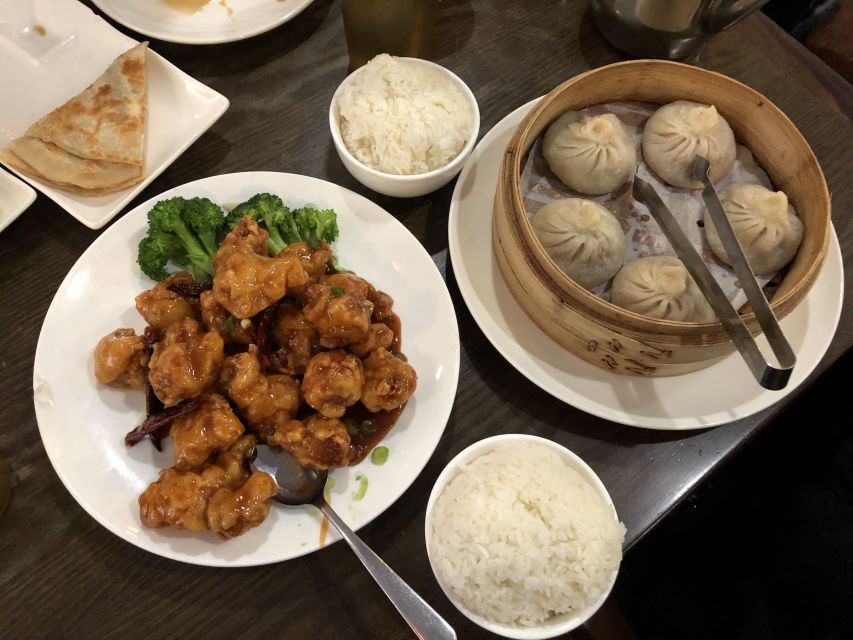
Now the fun part, the food. This tour includes tastings from six local restaurants and bakeries, with plenty of food for a satisfying lunch. You should expect a mix of sweet and savory, and the tastings are designed to show how Chinese cuisine evolved as it adapted to Boston tastes and local history.
Instead of one long sit-down meal, you sample in smaller portions across multiple stops. That gives you variety, and it keeps your palate from getting stuck on one flavor profile. It also helps the story land, because each stop connects to an era or an influence.
Here is what makes the tasting plan feel intentional:
The oldest restaurant and bakery stops
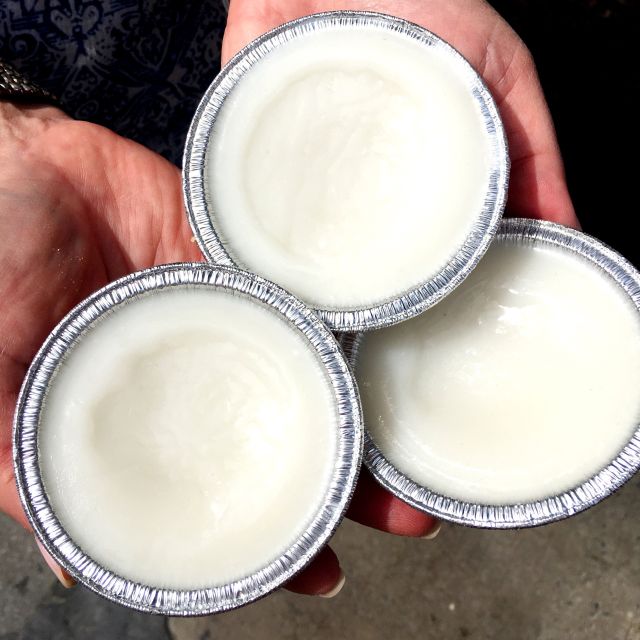
You will visit the oldest restaurant in Chinatown, which gives you a baseline for how long-standing traditions show up on the plate today. There is also a sweet from the oldest bakery, so you get the dessert perspective, not just savory.
This pairing is smart. A lot of people think of food history as only the main dishes. But bakeries and sweets often reflect local sourcing, household preferences, and what the neighborhood celebrates at the end of the meal.
More eating and drinking around Boston
A second-generation twist, without losing the basics
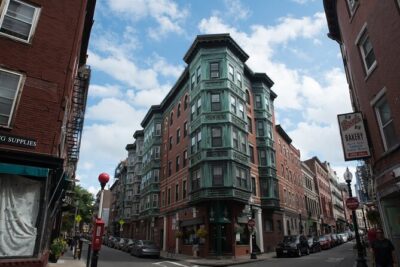
Later on, the tour includes newer establishments opened by second-generation owners. The point is not to replace tradition, but to show how Chinese-American cuisine continues to evolve. You will taste that difference as you move from older classics to more modern interpretations.
Traditional, modern, and Chinese-American in one walking loop
The tastings are split across traditional Chinese, modern-day Chinese, and Chinese-American options. That matters because Chinese-American food in Boston is not just “Chinese food with a couple tweaks.” It reflects adaptation, ingredients that made sense locally, and the way immigrant communities and their neighbors shaped the menu over time.
A practical tip: pace yourself. If you go in hungry, great, but do not chug water and then expect to taste delicate flavors later. I would rather sip, chew, and reset between stops, so each tasting lands clearly.
A stairs stop you should plan for before you meet
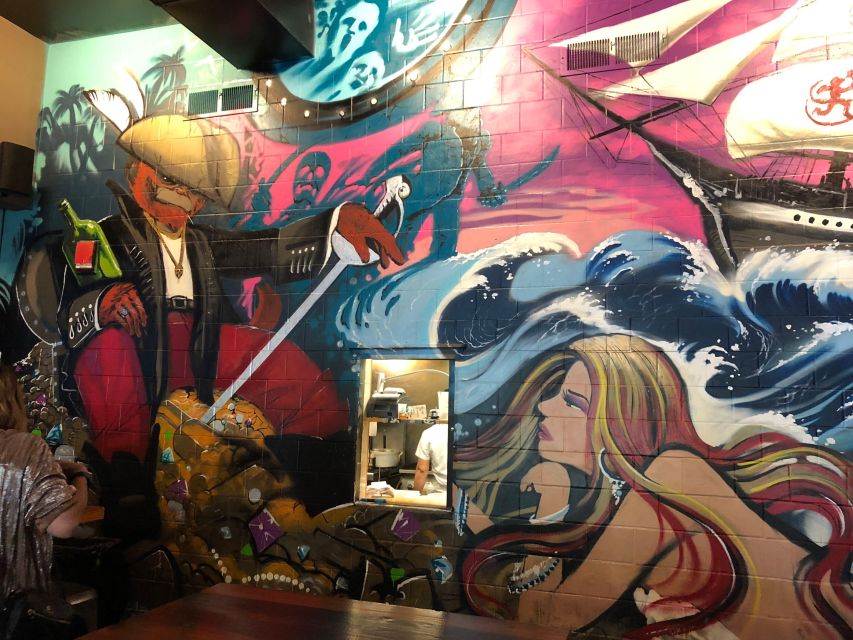
One logistics detail can be a deal breaker for comfort: one of the restaurants is only accessible by a flight of stairs, and there is no elevator at that location. The tour is still very manageable for many people, but it means you should wear shoes with good traction and be honest about your comfort level on stairs.
If you are traveling with someone who uses mobility aids, this is the kind of tour that can become stressful fast when one key stop is not step-free. Even without assuming anything else, the staircase requirement alone is enough to ask questions before you book.
What the guide adds, beyond the menu
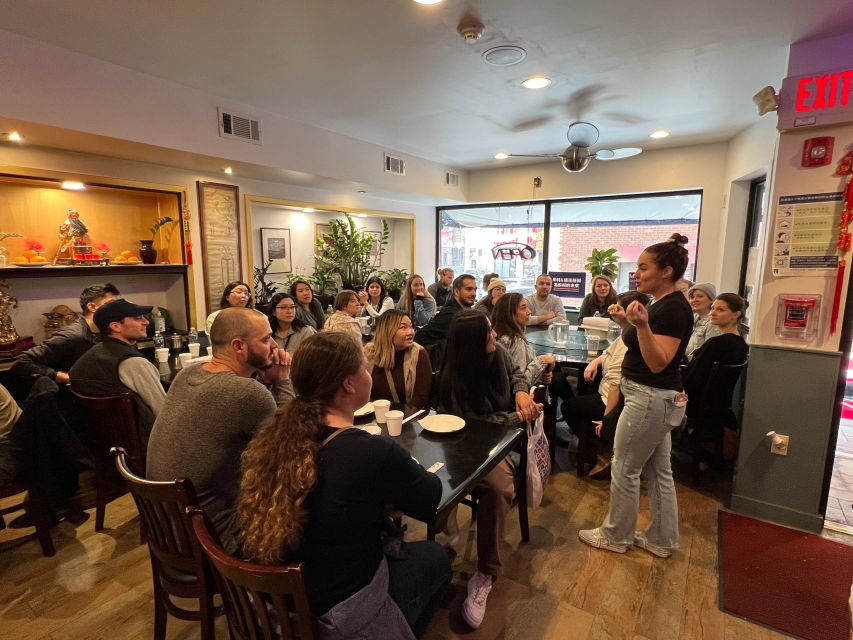
This is where the tour becomes more than food. The guide weaves mini history lessons into the walk so the tastings have context. Instead of treating Chinatown as a single “food district,” you learn how specific events and community shifts changed what people cooked, how restaurants operated, and what customers came to expect.
In the feedback, the mini history approach and the guide’s friendliness were highlighted. That fits with my preference too. I want facts, but I also want them tied directly to place and flavor. When you taste something and then hear why that dish, bakery item, or cooking style took hold in Boston, the meal stops being random snacking and starts feeling like a story you can chew.
The other helpful piece is how the guide ties each stop to ownership and evolution. You will hear about the establishments and their owners, including the contrast between older legacy businesses and newer second-generation spots.
Cocktail or mocktail finish, and what it’s good for
The tour ends with a cocktail or mocktail. I like these finishers because they do two things: they reward you for walking and tasting for hours, and they make the group moment feel like an actual closing, not just “okay bye, thanks.”
If you are the type who likes to compare flavors across stops, the drink at the end can also act like a palate reset. If you are driving or avoiding alcohol, the mocktail option helps you keep the pace without feeling left out.
Price and value: is $125 worth a 3-hour walk?
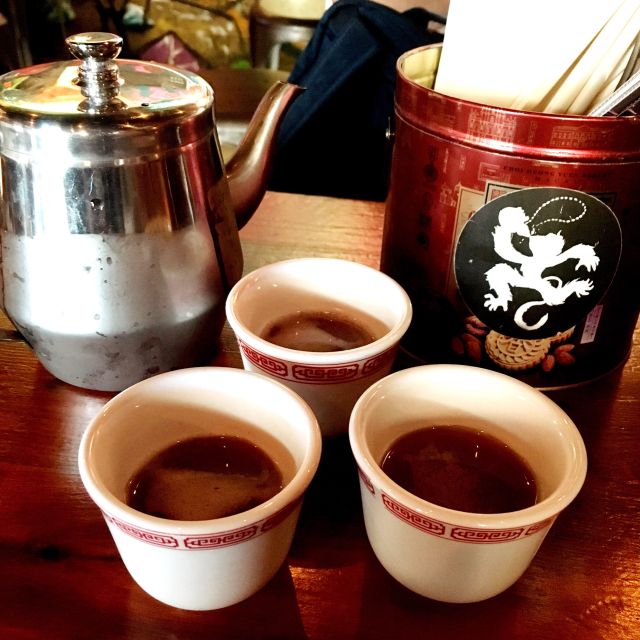
At $125 per person for a 3-hour walking tour, this is not an impulse bargain. But value is not just cost, it is what you get for that cost.
Here is what you are paying for:
- A guided neighborhood experience, not just a self-guided list
- Tastings from 6 eateries and bakeries, with sweet and savory variety
- Stops at historical and architectural/cultural sites
- A drink at the end, cocktail or mocktail
- Local taxes and fees included
The best way to think about the price is like this: you are combining what would often be separate costs, a paid guided walking experience plus multiple meals or snacks across several places. If you like food variety and you also care about context, the total package can make sense.
If you are someone who mostly wants one big meal and does not care about the neighborhood stories, you might feel the price more. The tour is built for people who enjoy both sides, the eating and the learning.
Who this Chinatown food tour fits best
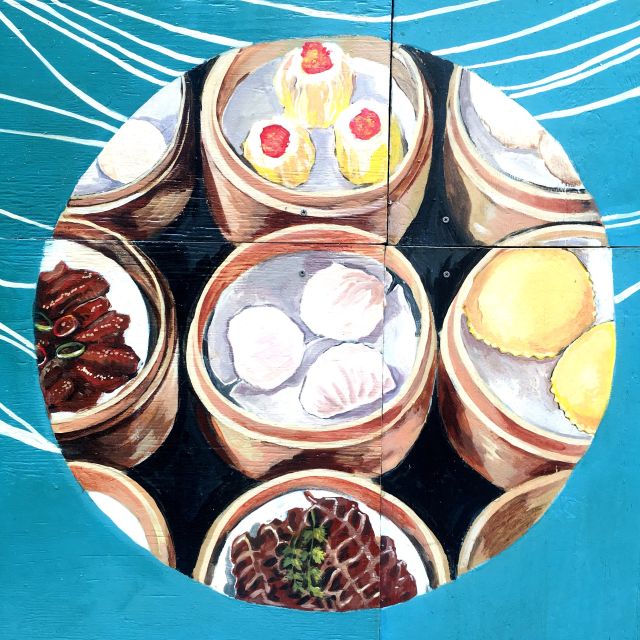
This tour is a great match if:
- You want Chinese-American cuisine that connects to Boston specifically, not just general stereotypes
- You like walking tours that move at a steady pace
- You enjoy both sweet and savory tastings
- You want a guide-led explanation of how the neighborhood changed over time
It is not suitable if:
- You are under 12
- You are vegetarian
- You have food allergies (the guide cannot substitute alternative tastings for dietary restrictions or allergies)
That allergy point is important. Do not gamble on “maybe it will work out.” The data is clear that the guides are not able to accommodate alternative tastings, so plan another type of experience if allergies are part of your reality.
Practical tips so you enjoy every stop
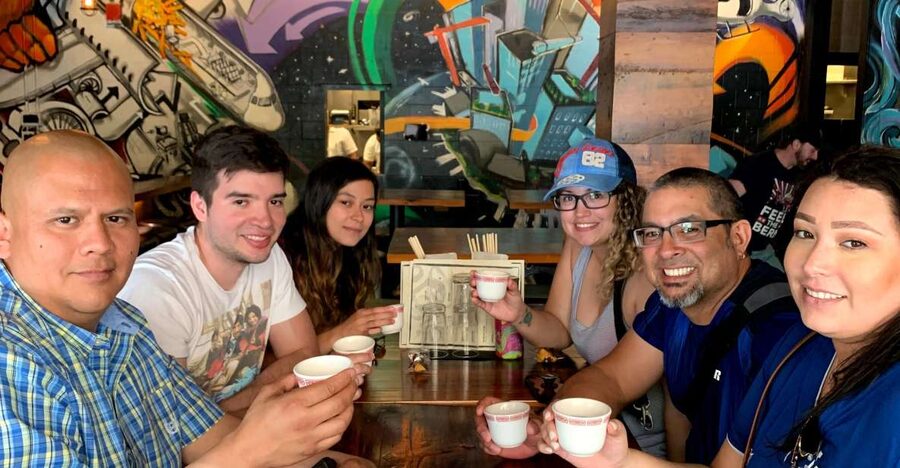
A few small choices make the difference between a fun tasting walk and a tired, uncomfortable one.
- Wear comfortable shoes. You will be outdoors and on foot for a significant portion of the tour.
- Bring water. Tastings are great, but hydration keeps you from feeling sluggish.
- Bring a valid ID card. A copy is accepted.
- If rain is predicted, bring an umbrella and a rain jacket. The tour runs rain or shine.
- Leave room for the rules: no pets, no baby strollers, and no luggage or large bags. Smoking is not allowed.
Also, go into it with the right mindset. This is a food and culture walk, not a sit-and-chat café crawl. If you keep that in mind, you will enjoy the rhythm.
Should you book Boston Chinatown Food Tasting & Cultural History?
I would book it if you want a 3-hour plan that blends real neighborhood context with real food variety. The combination of six tastings, historical and cultural stops, and a guide who keeps the stories connected to what you are eating is the winning recipe here. If you like learning how menus evolve because of history and community change, this format will click.
I would skip it if you have food allergies, need vegetarian options, or you know the stairs stop could be a problem. The tour is not designed around substitutions, and there is at least one key location that is not step-free.
If you fit the target audience, you will come away with two things you can use later in Boston Chinatown: a full stomach and a clearer way to understand why the food tastes the way it does.
FAQ
Where do I meet the guide for the tour?
You meet your guide right at the Chinatown Gate.
How long is the Boston Chinatown Food Tasting & Cultural History Tour?
The tour lasts 3 hours.
What is included in the tour price?
Your ticket includes the 3-hour guided walking tour, tastings from 6 local eateries and bakeries, visits to historic and cultural sites, one cocktail or mocktail, and local taxes and fees.
What kinds of tastings can I expect?
You will try sweet and savory samples that cover traditional Chinese, modern-day Chinese, and Chinese-American cuisine.
Is this tour suitable for vegetarians or people with food allergies?
No. The tour is not suitable for vegetarians, and the guides are not able to accommodate dietary restrictions or food allergies with alternative tastings.
Is the tour accessible for guests who have trouble with stairs?
One restaurant stop must be accessed by a flight of stairs and there is no elevator available at that location.
Do I need to be prepared for walking outdoors?
Yes. You will be outdoors and on foot for a significant portion of the experience, so bring comfortable shoes and plan for walking.
What should I bring with me?
Bring a water bottle, wear comfortable shoes, and have an ID card (a copy is accepted). If rain is predicted, bring an umbrella and rain jacket since the tour runs rain or shine.
Can I cancel, and how far in advance?
You can cancel up to 2 days in advance for a full refund.
More Tours in Boston


More Tour Reviews in Boston
Keep Going in Boston

More around Boston, freshly written up
- The Boston Bash Scavenger Hunt★ 4.5 · 3 reviews
- Self-Guided Audio Tour of Boston North End★ 4.5 · 3 reviews
- Self-Guided Boston Christmas Tour★ 5.0 · 3 reviews
- Self Guided “The North End Pizza, Cannoli and Picnic” Solo Walking Tour★ 5.0 · 3 reviews
- Cambridge: Haunted Charles River Cruise★ 4.3 · 3 reviews
- Boston: Official Freedom Trail® Lantern Tour★ 4.7 · 3 reviews
Historical Tours, compared.
 ★ 5.0History and Hauntings of Salem Guided Walking TourFrom $3614,564 reviews
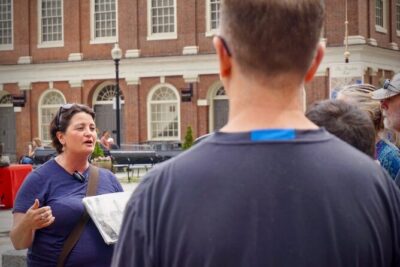 ★ 5.0Freedom Trail History Small Group Walking TourFrom $356,450 reviews
 ★ 4.5Tour of Historic Fenway Park, America’s Most Beloved BallparkFrom $453,013 reviews
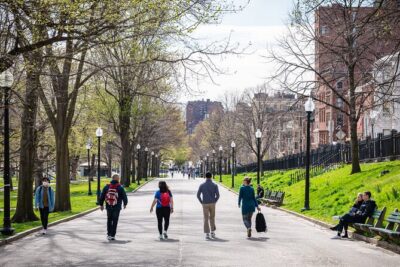 ★ 5.0Boston Food & History: Pizza, North End & Freedom TrailFrom $901,772 reviews
 ★ 4.6City Cruises Historical Sightseeing CruiseFrom $461,771 reviews
★ 4.9Freedom Trail History Small Group Walking TourFrom $351,590 reviews
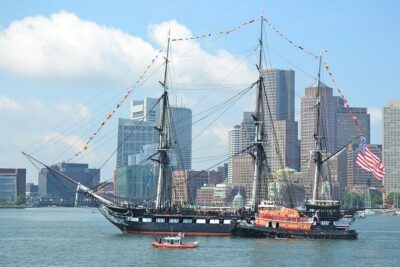 ★ 4.5City Cruises Boston Historic Sightseeing Harbor CruiseFrom $461,388 reviews
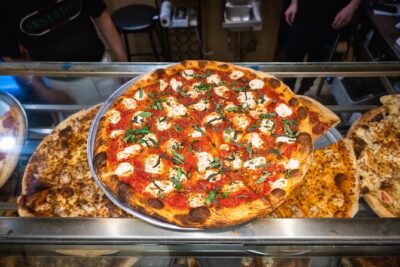 ★ 5.0Boston’s North End Food Tour: Italian Flavors & Heritage WalkFrom $701,322 reviews
Also filed under