REVIEW · WALKING TOURS
Boston History Tour: Scenic Walk Through Time & Landmarks
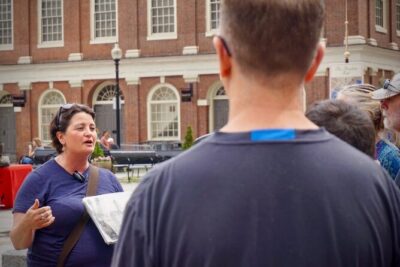
Boston’s past is right on the sidewalk. This is a relaxed, small-group walk that strings together Revolutionary turning points, civic landmarks, and modern neighborhood life, with a local guide guiding the story as you go from Rose Kennedy Greenway to the Public Garden. It is also an easy “first day in Boston” pick because it gives you a big map in your head fast, without feeling like a lecture.
Two things I especially like are the stop-by-stop focus on what changed the city, not just where to take photos, and the fact that the tour includes a surprise local treat. From Faneuil Hall and the Old State House to Beacon Hill-style streets and Granary Burying Ground, you get context that helps everything you see later make more sense.
One drawback to consider is that it is still real walking. You cover about 4 km (2.5 miles) in around 2 hours, and parts of the route go through busy downtown areas, so comfy shoes matter.
Key Highlights Worth Planning Around

- Carbon-neutral, B Corp style: This tour is run by a B Corp-certified company using travel as a force for good.
- A tight, story-led route: You move through Revolutionary sites and civic power centers in a single loop that ends at the Public Garden.
- Max 16 people: Small-group size keeps the pace human and makes questions practical.
- Local treat included: You get a surprise snack, and sometimes alcohol might be served with proper ID.
- Photo-ready civic architecture: Think the Massachusetts State House dome and Old City Hall’s French-style look.
- Old streets, old cemeteries: Beacon Hill-style cobbles and the graves at Granary Burying Ground give the history a real face.
More of Boston from the top of the list
Rose Kennedy Greenway Start: a calm launch to a historic route

You meet at the Greenway Carousel at 191 Atlantic Ave, and that first stop matters more than it sounds. The Rose Kennedy Greenway area is a clean, easy-to-find starting point, and it sets the tone for the whole tour: paced, not frantic. You get oriented right away, then the guide starts connecting what you will see to why Boston became what it is.
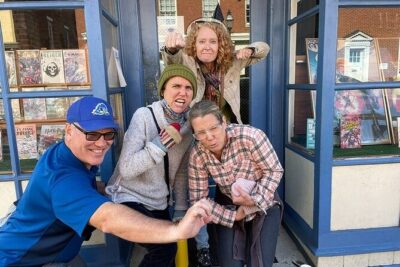
This is also where you get a “walk-in, get it” introduction to the city. If you land in Boston jet-lagged, you’ll appreciate how quickly the group moves into landmarks that actually explain the city’s layout. Guides like Bob (often praised for friendly wit) and Nabil (often praised for being personable and ready with answers) are a good sign that the tone stays relaxed while the details stay sharp.
From here, you are in position to see and talk about the waterfront-adjacent history too. The route later includes viewpoints such as Custom House Tower, described as the first skyscraper built in Boston, originally tied to incoming goods storage.
Faneuil Hall Marketplace: revolution talk in the middle of real life
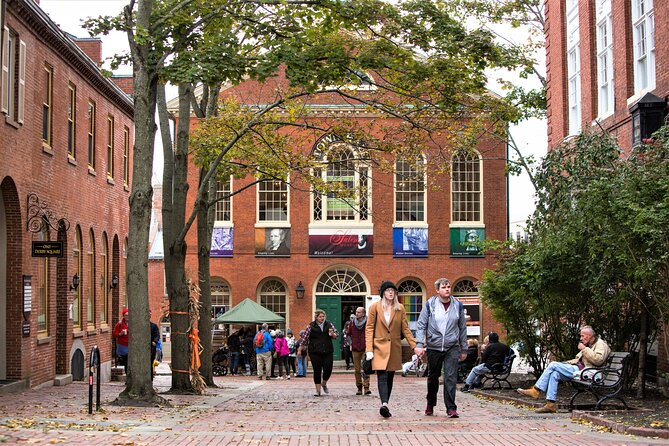
The tour officially kicks off at Faneuil Hall Marketplace, and this is a key “why Boston matters” stop. It is not just a historic building. It is a public gathering place, which means the guide can explain independence from Great Britain in a way that connects to everyday civic energy.
You will also get a practical snapshot of the area around Quincy Market. This part of downtown can be crowded, but it works for this kind of tour because you see how history lives inside active public spaces. The guide ties the Revolutionary momentum to the people and arguments that took shape here, which is what makes this feel less like a list of dates and more like a story you can follow.
If you like humor, this is often where it shows up. Several guides featured in recent tours, including Alivia and Tim, are described as enthusiastic and engaging, and that matters on a walking tour. A good guide can keep you from zoning out when you are surrounded by crowds and storefronts.
Old South Meeting House and the street behind the Boston Tea Party

Next you hit Old South Meeting House, a former church that helped shape the lead-up to the Boston Tea Party. The reason this stop works is simple: it places rebellion in a real setting where people gathered, planned, and argued. Instead of treating the Tea Party like a myth, you hear how it was organized and discussed.
The guide also keeps the timeline grounded by pointing out how slogans like No taxation without representation fit into what people felt and what they demanded. When a tour does this well, you start noticing similar patterns elsewhere in the city, like who had power, who resisted it, and how public spaces shaped decisions.
As you move on, you will pass the site of Boston’s first bookstore. The tour notes it as a place tied to publishers connected with major writers like Thoreau, Hawthorne, and Longfellow. Even if you do not plan to read your way through 19th-century literature, this stop is still useful. It shows Boston as a place where ideas and print mattered, not just where conflicts happened.
There is also a quick practical note: parts of this stretch are downtown walking. You will want to keep your phone charged for photos, but the guide’s commentary is what makes it feel worthwhile.
Old City Hall, French architecture, and the Bronze Donkey moment

At Old City Hall, you pause for a reason that is easy to miss if you rush on your own. This building housed the city council and also America’s first public school. That means you are looking at civic power and civic education in the same block, which is a great reminder that Boston’s story is not only about rebellion. It is also about building systems.
The architecture is a standout too. You’ll be able to admire its French-style details and snap a photo with the Bronze Donkey. Small moment, big payoff. It is the kind of local detail that you probably would not spot unless a guide pointed it out.
From there, the tour goes through Downtown Crossing, passes Old City Hall again, and visits King’s Chapel. The chance to hear the organist, if timing lines up, is a nice extra. The tour also mentions it as linked to the oldest church organ in the US. Even if you do not hear music, the stop adds variety, so the tour does not feel like history only in “outdoor museum mode.”
One more thing you might appreciate here: this is when the guide can handle questions. With a group under 16, people can ask how the civic changes relate to neighborhoods, immigration, or modern life. That makes the whole walk feel more personal and less like you are being herded past plaques.
More of Boston on foot
Old State House to Boston Common: independence, tragedy, and public space

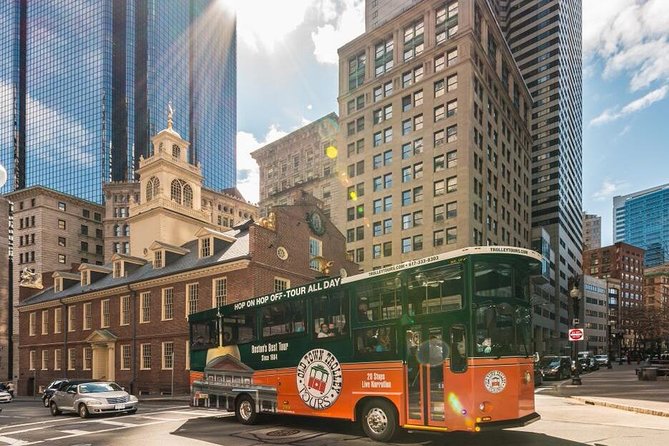
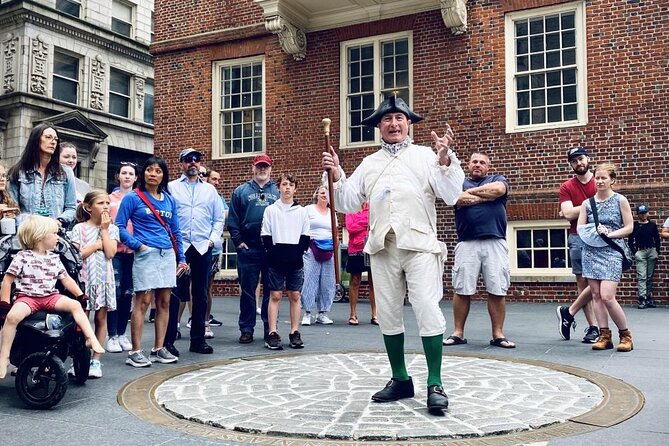
Old State House is a major stop. This is where the Declaration of Independence was announced in 1776, and it is where the guide also brings in the Boston Massacre. The combination can feel intense, but it also makes sense: Boston’s Revolutionary story was not only about speeches. It included real fear and real consequences.
What makes this stop valuable is the contrast. You are standing in the place where excitement was declared, then the guide connects it to the tragic events that shaped public opinion. It is the kind of pairing that helps you avoid oversimplified “patriots versus villains” thinking.
After that, you move into Boston Common, the oldest city park in the US. The tour frames it as something people have enjoyed since 1634, which is useful if you want a living-history feel. You will see memorials, fountains, and areas for recreation, all while the guide ties the space back to older uses and later meanings.
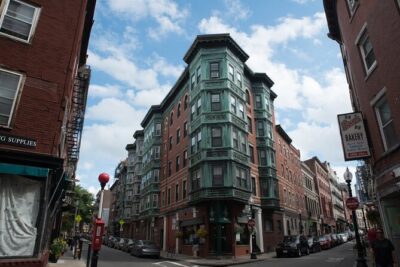
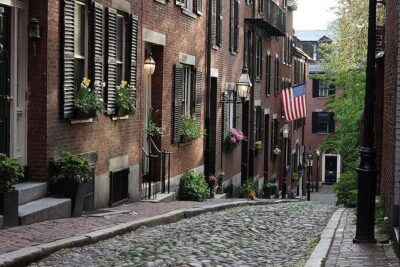
Then comes an in-between zone that most visitors skip: the route through the area that once declined due to sailors and British soldiers, then grew into the iconic neighborhood you recognize today. You walk cobbled streets as the guide explains how that transformation happened. If you are heading to Beacon Hill on your own after this, you will understand the “why” instead of just the “what.”
A notable memorial included on the route honors one of the first African American regiments in the Civil War, tied to Robert Gould Shaw. This is not just a name-drop. It adds a newer chapter of the city’s struggle for rights and recognition, which keeps the tour from getting stuck in only 1770s storytelling.
Massachusetts State House dome to Granary Burying Ground graves

The Massachusetts State House stop is built around a simple wow factor: the glittering dome. But you get more than a view. You learn about John Hancock as the original landowner and how Paul Revere presided over the 1795 cornerstone ceremony. This is another reminder that Revolutionary figures shaped government, not only slogans.
This part of the tour also helps you connect Boston’s architecture to institutions. When you see the State House in person, you can understand why people fought for representation in the first place. It is hard to think abstractly about politics when you are standing next to the building meant to run it.
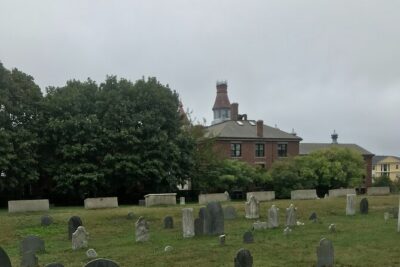
Next up is Granary Burying Ground, originally part of Boston Common and dating back to 1660. The guide points out graves of Revolutionary heroes such as John Hancock, Paul Revere, and Sam Adams. Even if you are not a “cemetery person,” this stop lands because it gives you names and faces connected to the story you just heard.
If you have been to other historic cemeteries, you will notice Boston’s version feels compact and connected to daily life. That is a big reason this is a strong second-half stop. It shifts the tour from public politics to private legacies, and it gives you a different kind of stillness during a busy day.
Boston Public Garden finish: your easy landing point

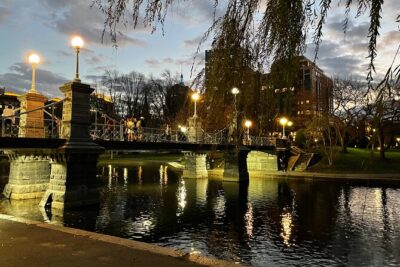
The tour ends at Boston Public Garden, near 4 Charles St. The guide frames it as the first public park in America, and you’ll stroll through while hearing how the space was used during the Revolution and beyond. It is a great ending because it lets you breathe right after more serious stops like Old State House and Granary Burying Ground.
For planning, this finish is practical. You can linger for photos, watch people, or switch from “tour mode” to “wander mode” without thinking too hard about where to go next. If you want to keep the day moving, you are also positioned for easy connections toward other central neighborhoods.
The Public Garden also tends to be a good final stop for mixed groups. Families often appreciate it, couples enjoy the calmer pace, and solo travelers can decompress without losing momentum.
What makes the tour work: pacing, group size, and guide energy

This is a small-group experience with a maximum of 16 travelers, which is a sweet spot for walking tours. You do not get stuck behind a crowd, and the guide can actually respond to questions instead of just speaking at you. Some groups are described as even smaller, which usually means more direct conversation and a smoother pace.
The tour covers 4 km in about 2 hours, which is a quick hit. That is why I like it for first-time visitors. You get a strong overview of the city’s “big story” without losing half a day. But if you are sensitive to walking time, you will want to plan for breaks. The stops are short, and that keeps the flow moving.
Weather is handled too. The tour runs rain, shine, or snow, and you should dress for the conditions. The practical angle here is you are not paying for a gamble. You are paying for a structure that keeps going unless the operator changes the route.
Guide style is a huge part of the value. In the feedback you provided, many names show up with a similar pattern: friendly delivery, lots of stories, and answers that go beyond the basic facts. People call out humor and engagement, including guides described as witty and quick with explanations. That is exactly what you want on a history walk, because it is the difference between remembering facts and remembering stories.
Price and included extras: what you are really paying for
At $39.80 per person for about 2 hours, this tour sits in the “good value for what you get” category. You are paying for trained storytelling, a guided route that hits key sites without you mapping every turn, and a small-group format that keeps the experience interactive.
A standout included item is the surprise local treat. The tour notes that alcohol might be served, and proper ID is required if it is. Even if you do not plan to drink, the fact that a local treat is built in is a perk. It can also turn the tour into a small social moment instead of just a sequence of stops.
Also included are insider tips on where to eat, explore, and relax in Boston. Those tips often save time later. You get direction during the tour, then you can follow that lead afterward, which is where walking tours can actually pay off.
Private upgrades are available if you want a more tailored experience. That matters if you are traveling as a family, want to move at a slower pace, or prefer fewer people and more direct Q and A.
Who should book this Boston history walk, and who might skip
This tour is a great fit if you want a first-time Boston overview with Revolutionary landmarks, civic sites, and a couple of moments that feel genuinely local, like the Bronze Donkey and the shift from old streets to modern neighborhoods.
It is also a solid pick if you like your history told through places. You will see Faneuil Hall, Old South Meeting House, Old City Hall, Old State House, Boston Common, the Massachusetts State House, Granary Burying Ground, and the Public Garden, with stops that explain why each one matters.
I would be cautious if you are expecting long, in-depth time inside every historic structure. Many stops are short and built around the walking loop. Also, you will pass through downtown areas that can include packed retail streets, so if you hate crowds, plan your photos and keep a relaxed mindset.
If you can handle 2.5 miles of walking in a couple hours, you will likely find this hits the sweet spot of informative and manageable.
Should you book this Boston History Tour?
Yes, I think it is worth booking if you want an efficient, story-led walk that ties Boston’s Revolutionary roots to the city you see today. The small-group cap of 16, the included local treat, and the guided “connect-the-dots” approach are the main reasons.
Skip it only if you want a slower pace with lots of inside time at each building, or if the idea of downtown crowd zones makes you miserable. If you are flexible and want a smart way to start your Boston trip, this tour is a practical first move.
FAQ
How long is the Boston History Tour?
The tour runs for about 2 hours.
How much walking is included?
It covers about 4 km, which is roughly 2.5 miles.
Where do I meet the guide, and where does the tour end?
You meet at the Greenway Carousel at 191 Atlantic Ave, Boston, MA 02111, and the tour ends near the Boston Public Garden at 4 Charles St, Boston, MA 02116.
How much does the tour cost?
The price is $39.80 per person.
What group size should I expect?
This experience has a maximum of 16 travelers.
Is the tour in English?
Yes, it is offered in English.
Is the tour good for children?
Children under 6 can join for free. Children aged 6 to 11 join at the adult rate, and you should note it during booking.
Is a food or drink treat included?
A surprise local treat is included, and alcohol might be served, which means proper ID may be required.
What is the cancellation policy?
You can cancel for a full refund up to 24 hours before the experience starts.
More Tours in Boston
More Tour Reviews in Boston
Keep Going in Boston
More around Boston, freshly written up
- The Freedom Trail and a whole lot more 3 hour Boston walking tour★ 5.0 · 4 reviews
- Boston: Boston Red Sox Baseball Game Ticket at Fenway Park★ 4.5 · 19 reviews
- Boston Harbor: Full Moon Cruise with Champagne Option★ 3.0 · 7 reviews
- Boston Harbor: Winter Holiday Weekend Brunch Cruise★ 4.6 · 24 reviews
- Boston: Hop-On Hop-Off All Day Boston Sightseeing Tour★ 3.4 · 27 reviews
- Boston Premium Night Tour with View Boston Observation Deck★ 4.6 · 6 reviews
Walking Tours, compared.
★ 5.0History and Hauntings of Salem Guided Walking TourFrom $3614,564 reviews
★ 5.0Freedom Trail History Small Group Walking TourFrom $356,450 reviews
★ 4.6Cambridge: Harvard University Student-Guided Walking TourFrom $223,931 reviews
★ 4.5Harvard University Campus Guided Walking TourFrom $233,632 reviews

★ 4.5Boston Freedom Trail Walking Tour with Costumed GuideFrom $262,531 reviews
★ 5.0The Full Revolutionary Story Epic Small Group Boston Walking TourFrom $552,356 reviews
★ 5.0Salem Voodoo, Vampires, and Ghosts Guided Walking Tour1,931 reviews
★ 5.0Bewitched Walking Tour of SalemFrom $351,895 reviews
Also filed under