
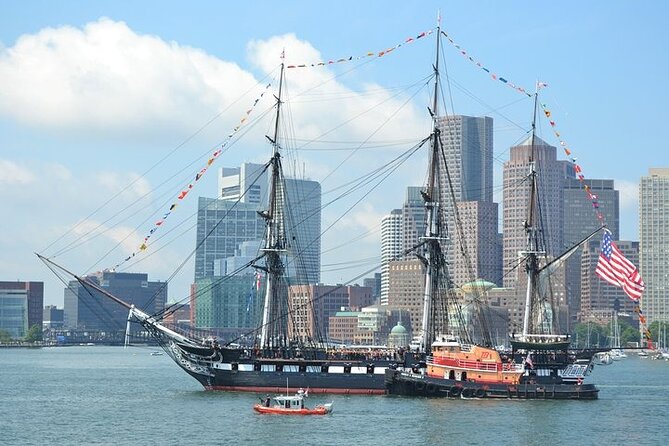
Walk the brick line first.
Freedom Trail guides, harbor schooners, Hanover Street cannoli and the fast ferry up to Salem. What each one is like, what it costs, and where to book it.
The ones that make a Boston trip.
First visit or fifth, these are the ones people come home talking about: the duck boat that drives off the ramp into the Charles, the ghost walk that fills up by August, the schooner that leaves Long Wharf at six.
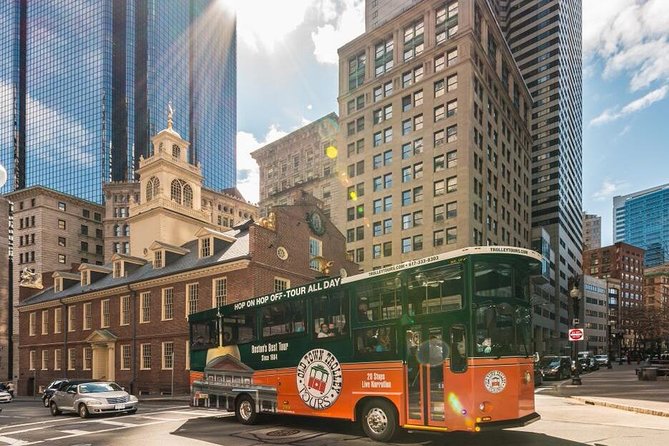
Boston Hop-On Hop-Off Trolley Tour with 13 Stops
Hop on and off Boston’s trolley at 13 stops, with live narration and weather-friendly rides for a smart, flexible city overview.
From $52 per person
Read the review → ★ 4.5Safe betCity Cruises Whale Watching CruiseFrom $854,710 reviews
 ★ 4.5Books out earlySalem’s Best Ghost TourFrom $304,186 reviews
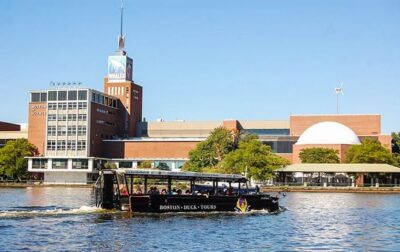 ★ 4.6Crowd favouriteBoston Duck Tour: The Original and World-FamousFrom $603,935 reviews
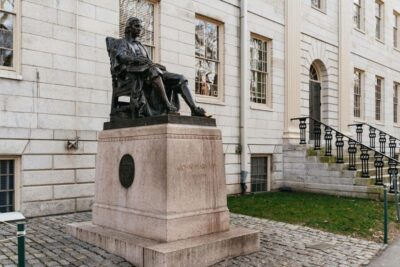 ★ 4.6Worth the fareCambridge: Harvard University Student-Guided Walking TourFrom $223,931 reviews
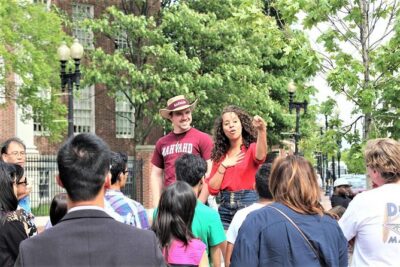 ★ 4.5Easy afternoonHarvard University Campus Guided Walking TourFrom $233,632 reviews
 ★ 4.8Repeat favouriteBoston Fenway Park: Guided Ballpark Tour with OptionsFrom $203,606 reviews
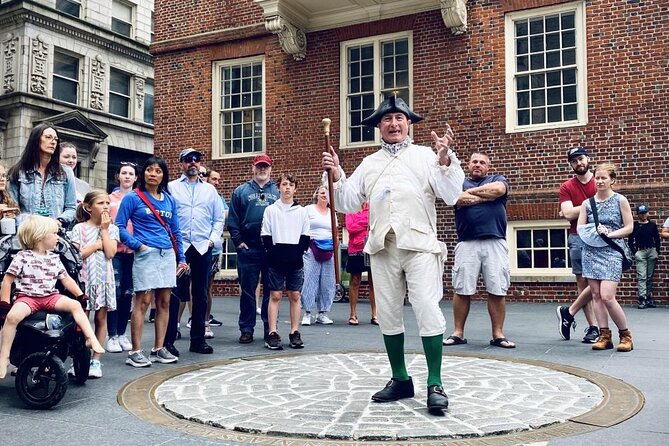
Sixteen sites, one red line.
The trail starts on Boston Common and finishes across the water under the Bunker Hill Monument, with four centuries in between. A guide turns it from a walk into the story it actually is, and the good ones finish near the harbor in time for lunch.
How will you walk the Freedom Trail?
Every visitor does the trail. What changes is who tells it to you and how much of it you cover on foot. Three ways to take the same red line, and every option behind each one is priced and reviewed.
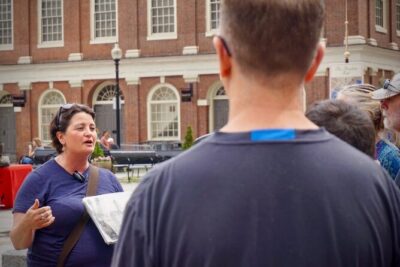 With a guide
The costumed walk
2 hours 30 minutes (approx.) · from $35 · 6,450 reviews
Small group, tricorn hat, and a guide who has told this story a thousand times and still lands the jokes. Ninety minutes to three hours on foot, Common to Faneuil Hall or the whole way over the bridge. This is the version people remember.
Compare the guided walks →
With a guide
The costumed walk
2 hours 30 minutes (approx.) · from $35 · 6,450 reviews
Small group, tricorn hat, and a guide who has told this story a thousand times and still lands the jokes. Ninety minutes to three hours on foot, Common to Faneuil Hall or the whole way over the bridge. This is the version people remember.
Compare the guided walks →
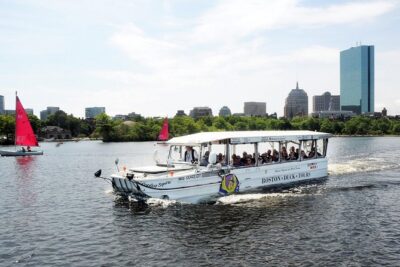 On wheels
The trolley and duck day
from $59 · 9,378 reviews
Hop off at the Common, back on at the North End, and if you pick a duck boat it drives straight down the ramp into the Charles. Best with knees that object, or children who do. Most tickets run all day, so the trail becomes a loop you dip into.
See the trolley and duck options →
On wheels
The trolley and duck day
from $59 · 9,378 reviews
Hop off at the Common, back on at the North End, and if you pick a duck boat it drives straight down the ramp into the Charles. Best with knees that object, or children who do. Most tickets run all day, so the trail becomes a loop you dip into.
See the trolley and duck options →
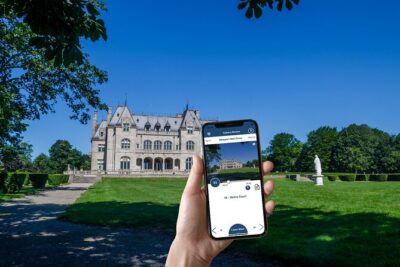 Your own pace
The audio version
2 to 3 hours (approx.) · from $16 · 325 reviews
Headphones, a phone, and the freedom to sit outside the Old Corner Bookstore for as long as you like. The cheapest way to do the trail properly, and it still works on a wet Tuesday when the walking groups are half empty.
See the self-guided routes →
Your own pace
The audio version
2 to 3 hours (approx.) · from $16 · 325 reviews
Headphones, a phone, and the freedom to sit outside the Old Corner Bookstore for as long as you like. The cheapest way to do the trail properly, and it still works on a wet Tuesday when the walking groups are half empty.
See the self-guided routes →
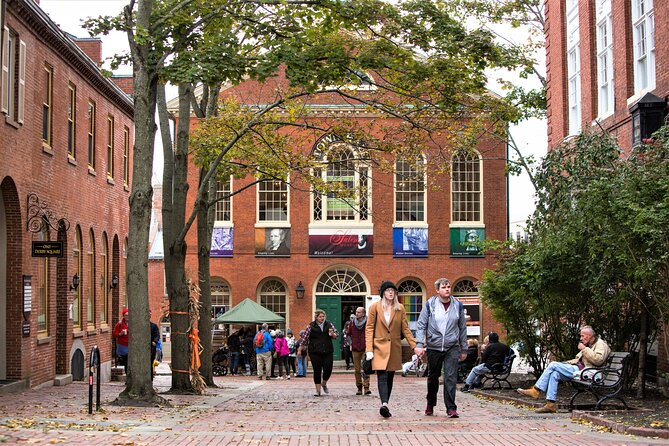
Salem does not close at five.
The day trippers catch the last ferry and the town goes quiet, which is when the lantern walks start. Burying Point, the old customs house, the streets where the accusations began. Book October weeks ahead or forget it.
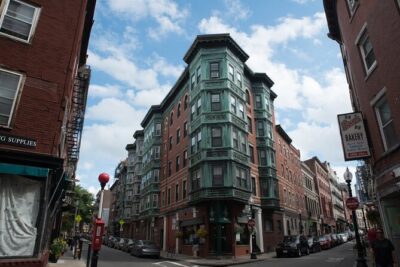
Hanover Street settles the argument.
Three hours, six tastings and a straight answer on Mike’s versus Modern. The North End has been Italian since the 1890s and these walks are run by people who grew up on those blocks.


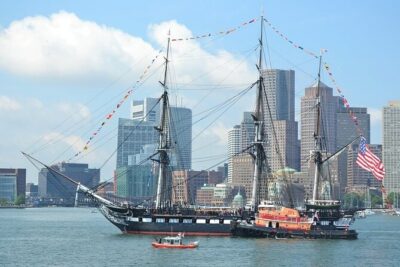
The skyline reads better from a boat.
Tall ships out of Long Wharf, sunset decks, dinner runs that loop the inner harbor while the airport lights come on. Bring a layer; it is colder out there than the forecast promises.


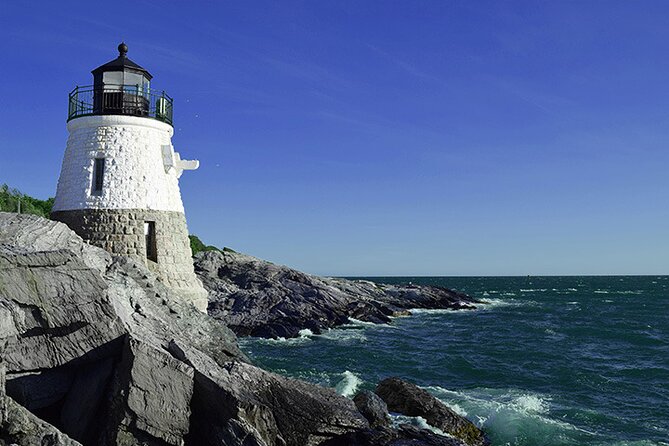
The summer houses are open.
Ninety minutes south, the Vanderbilts and the Astors built houses they used for eight weeks a year. The Breakers alone runs to seventy rooms. Coaches leave Boston in the morning, and the good trips leave time for the Cliff Walk before the ride home.
Boston, block by block.
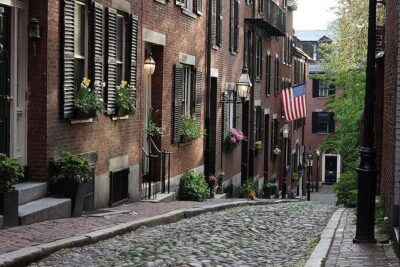
Boston works in short hops. The Common and the trail for the first morning. Hanover Street for dinner. Long Wharf for the boat. Cambridge across the bridge when you want lawns and bookshops.

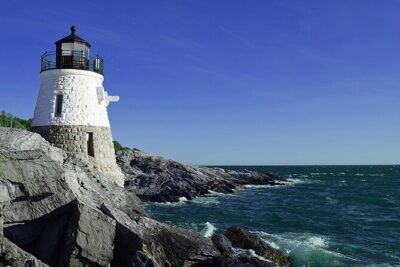
What kind of Boston day?
Twelve ways into the same city and coastline. Pick the one that sounds like your afternoon and everything behind it is priced and reviewed.
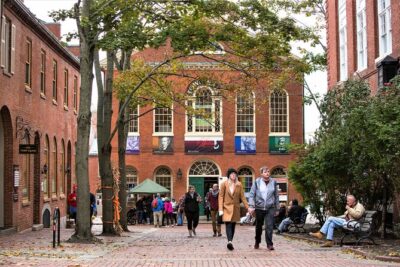


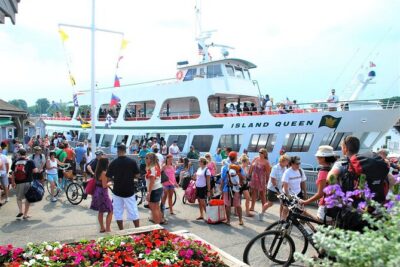
Most of it is an hour away.
The commuter rail and the coach road do the work. Witch trials up the coast, mansions down it, the Cape in summer and the battle greens in between. The return seat is part of the ticket.
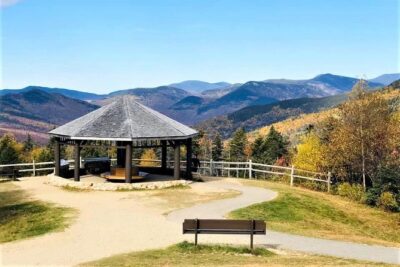
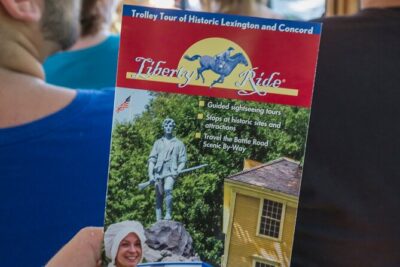
Three Boston days, in order.
Nobody sees all of New England in one visit, but three days taken in the right order cover the city, the water and the coast. This is the sequence to hand a friend landing at Logan tomorrow.
Day 1
Walk the red line
Start on the Common while the jet lag is still useful, follow the brick past the Old State House and Faneuil Hall, finish with oysters near the market. Flat, easy, and the whole city makes sense afterwards.
Plan day one →
Day 2
Harbor, then Hanover Street
Morning on the water out of Long Wharf, afternoon in Beacon Hill or across the bridge in Cambridge, then the North End for dinner and the cannoli argument.
Plan day two →
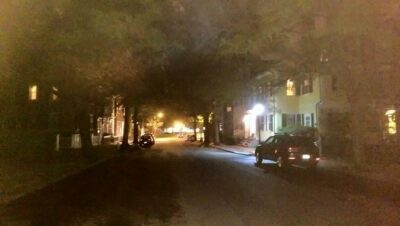 Day 3
Up the coast to Salem
The fast ferry takes under an hour and lands you three streets from the Witch House. History in daylight, a lantern walk after dark, late boat back across the harbor.
Plan day three →
Day 3
Up the coast to Salem
The fast ferry takes under an hour and lands you three streets from the Witch House. History in daylight, a lantern walk after dark, late boat back across the harbor.
Plan day three →
The newest write-ups from Boston and the coast.
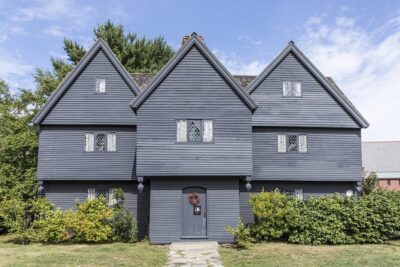 ★ 5.0Private Walking Salem Legends Tour Professional GuideFrom $6933 reviews
 ★ 4.5Pirates and Privateers Walking Tour with Real Pirates AdmissionFrom $253 reviews
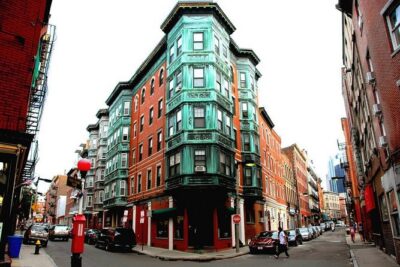 ★ 4.5Self-Guided Audio Tour of Boston North EndFrom $53 reviews
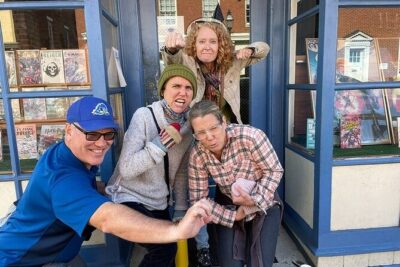 ★ 4.5The Boston Bash Scavenger Hunt3 reviews
 ★ 5.0Twilight Cruise: After The Sun Goes DownFrom $463 reviews
 ★ 5.0Self Guided “The North End Pizza, Cannoli and Picnic” Solo Walking TourFrom $53 reviews
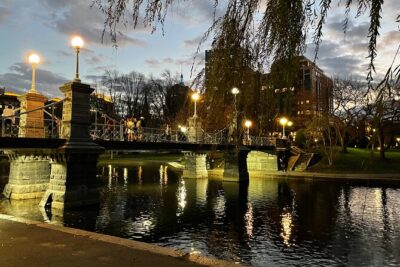 ★ 5.0Self-Guided Boston Christmas TourFrom $93 reviews
 ★ 5.0Discover Maine’s Coastal Charms: Half-Day Scenic SailFrom $2593 reviews