
REVIEW · SALEM WITCH TRIALS AND HISTORY TOURS
Salem Village Witch Hunt Walking Tour
The story starts in Danvers, not Salem. This Salem Village Witch Hunt Walking Tour takes you to the real 1692 starting point in Salem Village, where the panic spread before it hit Salem Towne and the North Shore. I love how the tour ties the famous legend to specific places, and I love meeting history through the guide, Daniel A. Gagnon, a lifelong Danvers resident and author. One possible drawback: this is a walk with a path down to an archaeological site, with no bathrooms available.
You’ll spend about 1.5 hours moving between meaningful stops, led in English, rain or shine. I especially liked the way the tour grounds the hysteria in what people saw, heard, and decided, not just the big-name Salem headlines. If you have mobility concerns, note that it is not suitable for people with mobility impairments.
Key Highlights You Should Actually Care About
- Danvers is where it began, and the tour explains how a cold February day sparked accusations that turned neighbors into enemies.
- Ingersoll Ordinary (circa 1670) is a standout stop tied directly to where witchcraft hearings were held.
- Parsonage remains connect you to the famous girls accounts, including Betty and Abigail, with the story focused on the start of the hysteria.
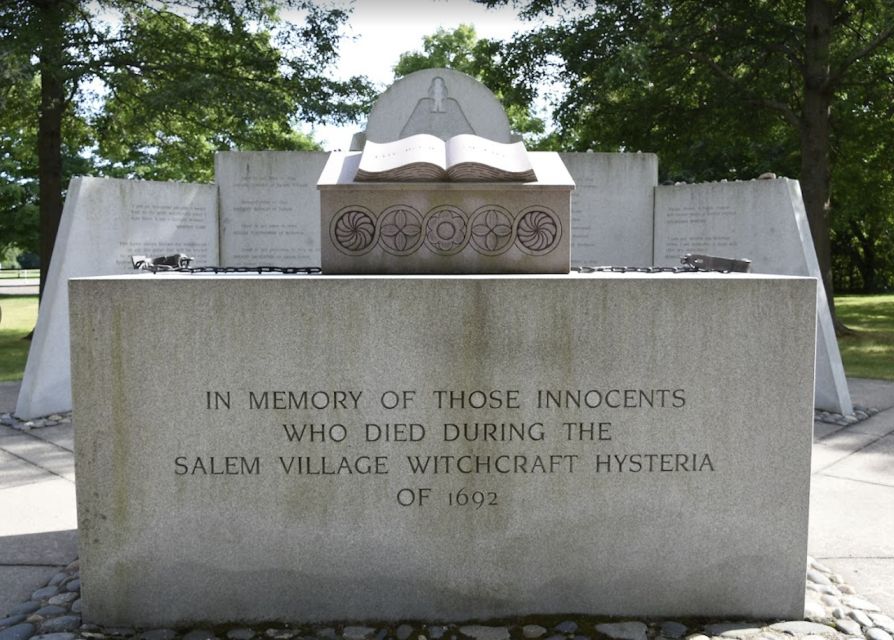
- Witchcraft Victims’ Memorial honors the 25 people who died, keeping the tone respectful and grounded.
- Daniel A. Gagnon leads the experience, and the reviews consistently point to his friendly, deeply informed storytelling.
- You walk out and back to the same meeting point, so you can plan your Salem area day without guesswork.
Price and What You Get for $25
At $25 per person for a 1.5 hour guided walk, you are paying for something specific: place-based storytelling in Danvers, tied to the early events of 1692. This is not a long tour, so the value comes from focused stops, a strong local guide, and tight context at each location.
You will not be paying extra for snacks, transportation, or a bathroom stop, because none are included. The tour is built around a handful of key sites, with the guide using them as anchors for the larger history story.
Also, there is a built-in local good-news piece. The tour donates $5 from every ticket to the Danvers Historical Society. It is a small line item with real impact, and it helps keep the local history work moving.
Meeting Point at Ingersoll Parkway and Training Field
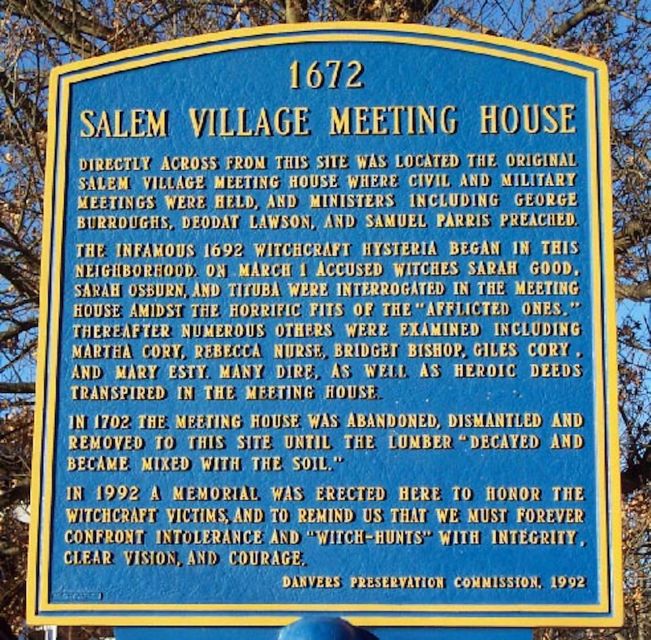
The tour starts at the Ingersoll Parkway next to the Training Field. You meet your guide on the training field next to a rock and a blue sign that explains the history of the training field.
This matters because it helps you avoid that common travel headache: showing up late and trying to find a group in an unfamiliar parking-lot setup. Once you find that training field area and the blue history sign, you can get your bearings fast.
The tour ends back at the meeting point. So after 1.5 hours, you are done without any stressful bus, transfer, or second drop-off.
How Danvers Connects to the Famous Salem Witch Trials Story
Salem gets all the headlines, but the panic’s spark came first in Salem Village, which is now part of Danvers. The tour walks you through that difference, and it changes how you think about the whole 1692 crisis.
You are not just hearing a spooky story. You are learning how a local diagnosis fed fear. The account starts with two young girls acting out, then a local doctor’s conclusion that they were under the Devil’s hand. From there, the hysteria accelerates, and accusations begin turning neighbor against neighbor.
Then the story grows. The panic that begins in Salem Village eventually engulfs Salem Towne and spreads across the North Shore of Massachusetts. The tour uses this “start point to spread” logic to help you see cause and effect, not just a list of tragic events.
Stop One: The Parsonage Remains and the Beginning of the Hysteria
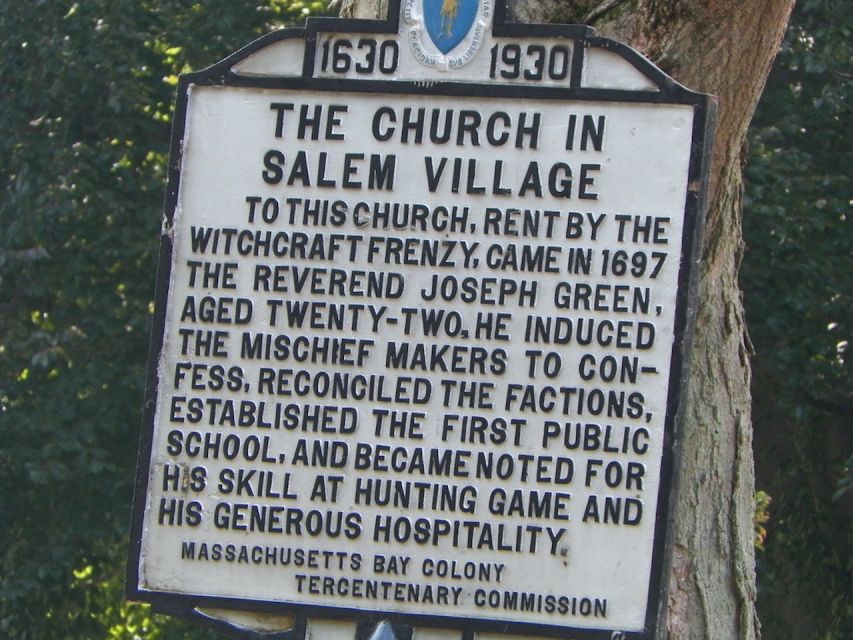
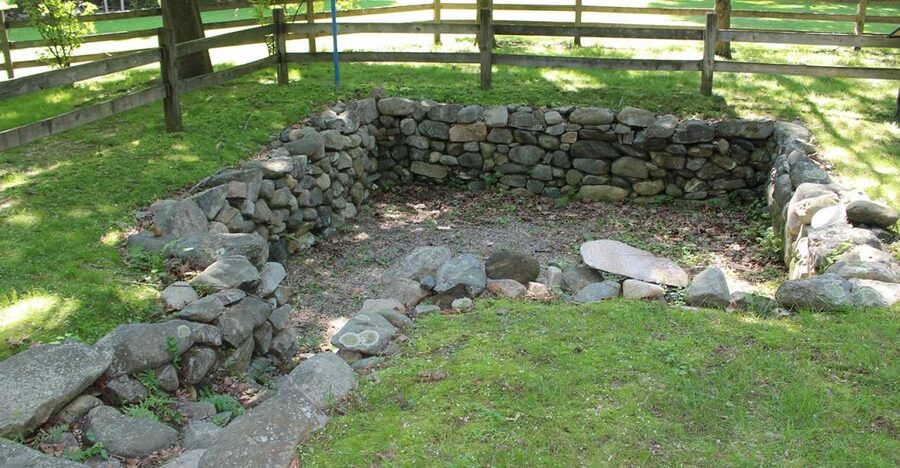
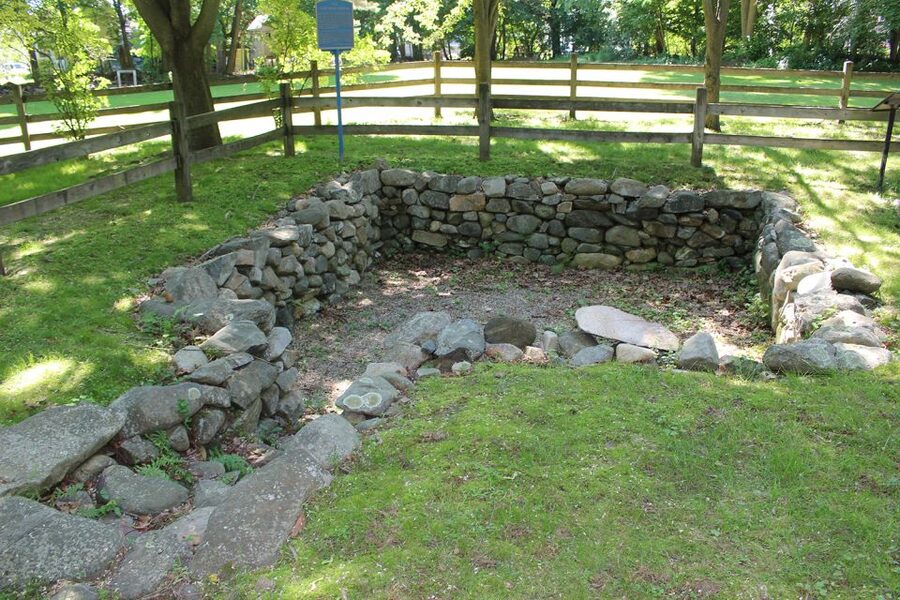
One of the most powerful parts of this tour is the visit to the remains of the parsonage where the girls had their fits. These are the locations tied to Reverend Samuel Parris’ household story, including Betty, age 9, and Abigail, age 11.
What I like about this stop is how it forces you to think about proximity. This story did not happen “somewhere far away.” It happened in a community setting, and the earliest accusations rose from what people believed they were witnessing.
You should expect the guide to connect what you see to the way early claims spread. You will hear the larger context of how the panic escalated from local observations into formal accusations. It’s uncomfortable, but that is part of what makes the story matter.
Practical note: you will be walking down a path to an archaeological site. Wear comfortable shoes and plan for uneven ground, because the walk is part of the experience.
Stop Two: Ingersoll Ordinary (Circa 1670) and Witchcraft Hearings
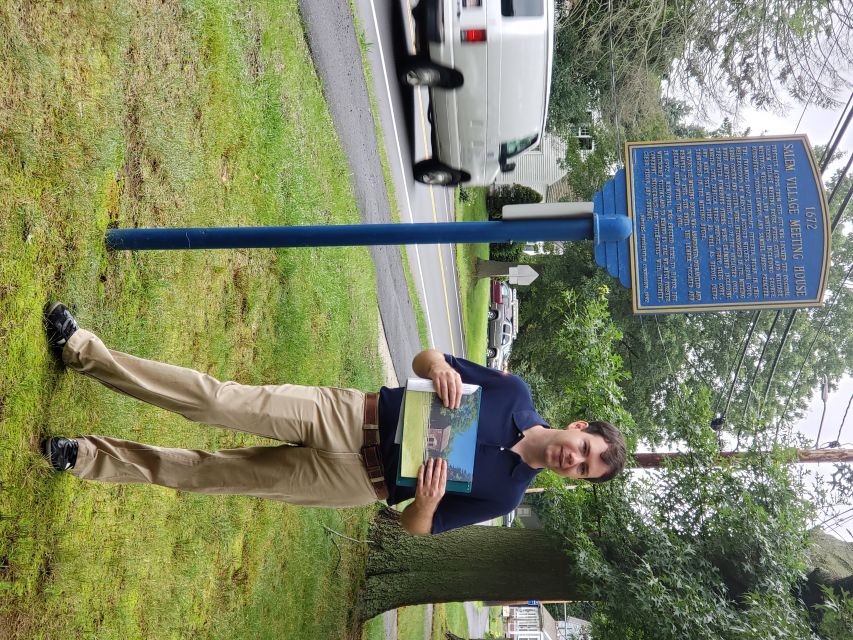
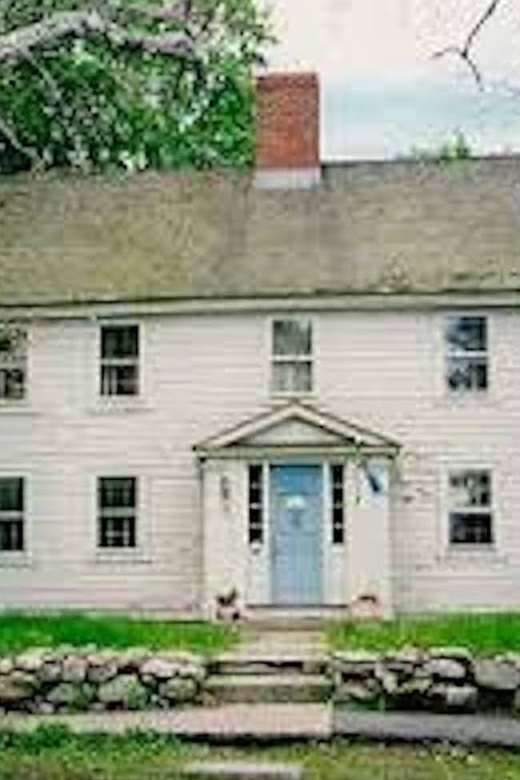
Next comes the Ingersoll Ordinary, dated to about 1670. This stop is the tour’s most “this is where official events happened” moment, because it’s connected to witchcraft hearings.
I find this kind of place-based detail clarifying. When you hear about hearings, you may picture a courtroom somewhere. But here, you are standing in a real setting linked to community procedures and public decisions.
That helps the story feel less like a distant drama and more like an organized human process that led to terrible outcomes. You can also get a sense of the social mechanics of fear, how quickly people can move from rumor to judgment when the community is already on edge.
If you enjoy history that connects buildings to behavior, this is likely to be the stop you remember most.
Stop Three: The Witchcraft Victims’ Memorial for 25 Lives Lost
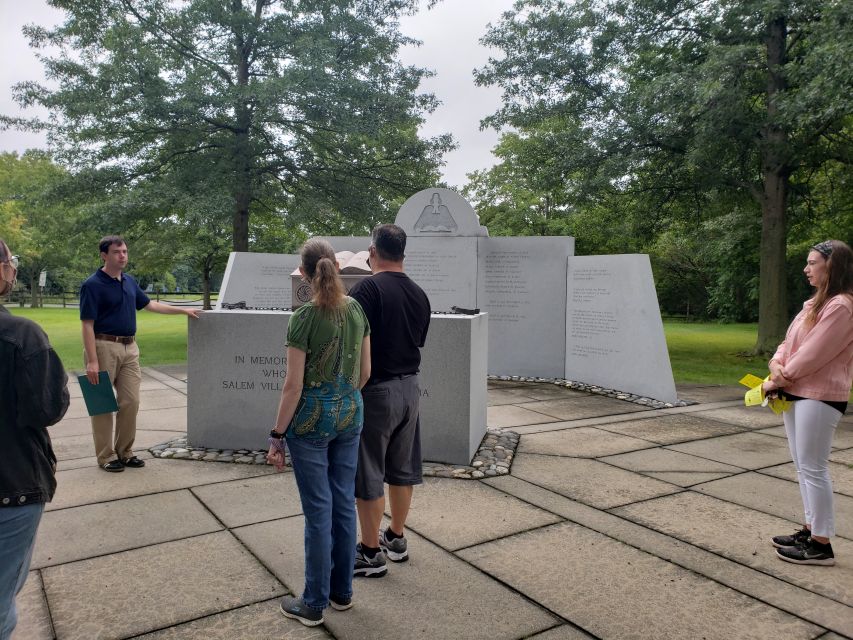
The last major stop is the Witchcraft Victims’ Memorial for the 25 people who died. It is a different tone than the earlier sites, and that matters.
This memorial gives the tour its emotional anchor. The earlier stops focus on the origin and the machinery of accusation. This stop brings the focus back to the human cost, and that is what keeps the story from feeling like theater.
I also think it’s smart that the tour includes this explicitly, instead of treating it like an afterthought. When you are learning about trials, it is easy to get stuck in names and dates. The memorial helps you remember that real people paid the price.
What the Tour Timing Feels Like in Real Life
You are looking at 1.5 hours total. That time includes walking between stops, plus the guide’s explanations at each location.
Because the tour is short, it moves at a steady pace. If you want lots of photos, consider taking them quickly and respectfully while the guide finishes a point, so you do not hold up the group.
Also, the tour runs on selected dates in July, August, September, and October. If you are planning a fall Salem area trip, this can be a great way to add depth without spending a whole day in transit.
Rain or Shine, No Bathrooms, and What to Bring
The tour takes place rain or shine, so bring a layer that works in damp weather. You do not want to end a history walk soaked and shivering while trying to listen.
No bathrooms are available, and food and drinks are not included. So I recommend you handle those needs before you arrive. Even if you stay local to Salem, it is worth planning this like a real walking activity.
Other practical must-do: wear comfortable shoes. You’ll walk down a path toward an archaeological site, so choose footwear that handles uneven ground.
Why Daniel A. Gagnon Makes This Tour Worth It
The biggest repeat theme in the reviews is the quality of the guiding. Daniel A. Gagnon consistently gets high marks for being extremely knowledgeable and friendly, and for making you think about the core question behind the story: did anyone truly believe they were seeing real witchcraft, or were they interpreting fear in a way that seemed logical to them at the time?
That last part is important. The best guides do not just recite facts. They help you understand how people reached their conclusions. On this tour, the guide ties the sites to the story so you can feel how an accusation could snowball from the smallest local event.
If you like guides who explain without rushing, you will likely enjoy this one.
Balancing the Dark Subject with Real Context
This tour deals with a violent, fear-driven episode in American history. It can feel heavy, especially with the memorial stop included.
What helps is that the tour does not treat it like a ghost tour. It treats it like civic breakdown, when medicine, religion, and community suspicion blended into something that ruined lives.
You also get a clearer sense of the “start here” idea. The hysteria begins in Salem Village, then expands. That structure makes the story easier to process, because you can see the chain of events rather than absorbing it as random tragedy.
Where This Tour Fits in Your Salem Area Day
If you are already visiting Salem, you can treat this as the “before Salem” piece. It adds context that you might miss if you focus only on the town’s most famous sites.
Getting there is also straightforward from Salem, MA by car or Uber. That means you can pair it with other Salem plans without needing a complicated itinerary.
Because the tour is only 1.5 hours, you can still keep a flexible day. It is a good choice when you want depth but you do not want your whole schedule to revolve around one activity.
Who Should Book This Walking Tour
This tour is a great match if you want:
- A focused, place-based Salem Witch Trials experience in Danvers
- A strong local guide who connects sites to the origin story
- A respectful stop at the memorial for the 25 victims
It may be less ideal if:
- You need step-free access or you cannot walk down a path to an archaeological site
- You are looking for a casual, light, quick photo stop
Should You Book It? My Straight Answer
If you are the type of person who cares about where history actually happened, book this. The combination of specific locations, the guide Daniel A. Gagnon, and the memorial stop for the 25 who died gives the tour real weight for your time.
At $25, the price feels fair for what you get: a guided walk with clear context, three major stops tied to the early events in Salem Village, and a direct link from Danvers to the wider Salem Witch Trials story. Just go prepared with comfortable shoes and an expectation that there are no bathrooms on the route.
FAQ
How long is the Salem Village Witch Hunt Walking Tour?
The tour lasts 1.5 hours.
Where do I meet the guide?
You meet at the Ingersoll Parkway next to the Training Field, on the training field next to a rock and a blue sign with information about the Training Field history.
Where does the tour end?
The tour ends back at the meeting point.
Is the tour offered year-round?
No. It runs on selected dates in July, August, September, and October.
What is included in the ticket price?
An English speaking tour guide is included.
Are bathrooms available during the tour?
No bathrooms are available.
What should I bring, and is it stroller or wheelchair friendly?
Wear comfortable shoes. The tour is not suitable for people with mobility impairments. You will walk down a path to an archaeological site.
Salem Witch Trials and History Tours, compared.
 ★ 5.0History and Hauntings of Salem Guided Walking TourFrom $3614,564 reviews
 ★ 4.5Salem’s Best Ghost TourFrom $304,186 reviews
 ★ 5.0Salem Voodoo, Vampires, and Ghosts Guided Walking Tour1,931 reviews
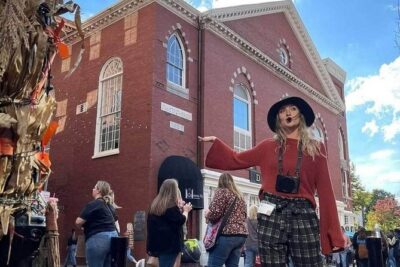 ★ 5.0Bewitched Walking Tour of SalemFrom $351,895 reviews
 ★ 5.0Satanic Salem Walking TourFrom $301,635 reviews
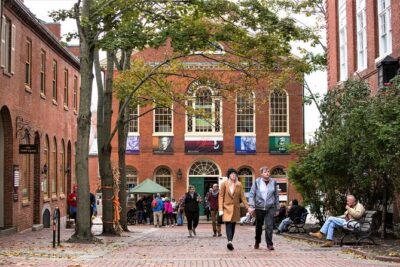 ★ 5.0Mysteries and Murders of Salem Guided Night-Time Walking TourFrom $361,488 reviews
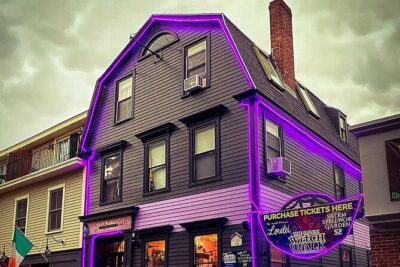 ★ 4.5The Salem Witch WalkFrom $251,301 reviews
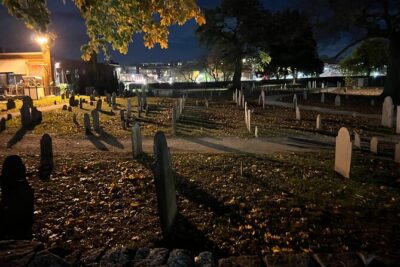 ★ 5.0Wicked Awesome Tours: Witch Trial History and Salem Haunts!From $291,032 reviews
Also filed under