
REVIEW · SALEM WITCH TRIALS AND HISTORY TOURS
Salem Bewitched Tour With Tarot Reading
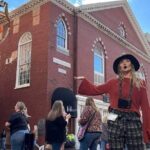
Salem has stage props, but this tour is grounded. I love how the guide, Cynthia, threads real Witch Trials locations with the city’s Bewitched pop culture moments, so you get context fast. I also like the tarot and palm reading at the museum, led by a host experienced in tarot, numerology, and palmistry. One caution: the Witch House stop has extra admission, since it is not included.
The pacing works well because it is built for a small group. With a mix of short walks and quick stops, you can fit it into a day in Salem without feeling like you have signed up for an all-day marathon. The tour also runs in English, French, Spanish, and Italian.
Because some stops connect to executions and accusations, the tone can get heavy even when the Witch Trials Memorial is described as appropriate for all ages. Plan for moderate walking and wear comfortable shoes, especially if you are coming from a parking spot or other attractions.
Key highlights you will feel right away
- A guide who connects pop culture to primary places: Cynthia brings Salem’s Witch Trials sites into the same story as the Bewitched filming locations.
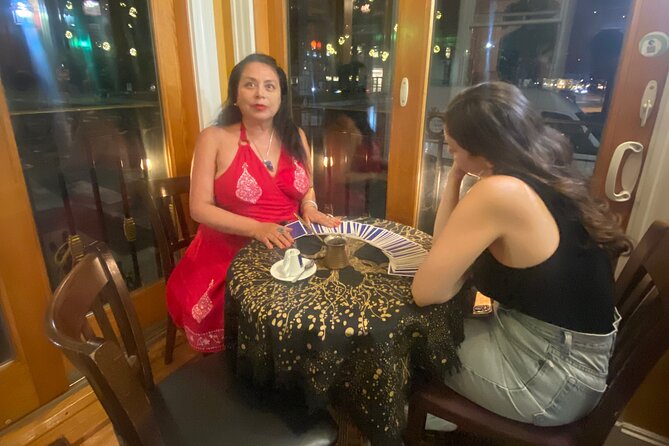
- Tarot and palm reading at the museum: you get a live reading session with numerology and palmistry included.
- Most major stops are free to enter: memorial, cemetery, town hall, and several photo stops do not require extra admission.
- A tight, walkable route in about 2 to 3 hours: lots of short segments, then you are back where you started.
- Small group size, up to 6 people: you get a more personal feel than big bus tours.
More of 1692, told properly
Starting at the Peabody Essex Museum and getting your Salem bearings
The tour begins at the Peabody Essex Museum at 161 Essex St. This is a smart starting point because you are already in the historic downtown core, and the route keeps you moving without long detours. The whole experience lasts about 2 to 3 hours, and you finish back at the meeting point, so you do not have to think about a separate pickup.
Group size matters here. With a maximum of 6 people, Cynthia can adjust the pace if you are taking photos or if a question needs a quick answer. I also like that the tour is offered in multiple languages, including English, French, Spanish, and Italian, which is great if your travel crew is not all the same language.
Practical note: admission for the Witch House and the museum-related stop is not included, while several other landmark stops have free entry. So while the tour itself is structured and organized, you still need to keep a small budget buffer for those two items.
Finally, the tour includes the tarot portion, but it is tied to the museum stop. That means your day timing matters a little. If you are trying to squeeze in another attraction right afterward, I would leave some breathing room for how long you actually want to spend at the museum area.
Pickman House first, so the Witch Trials Memorial hits harder
Stop 1 starts with the Pickman House, one of the oldest houses in Salem. The idea is simple but effective: before you step into the Witch Trials Memorial, you get stories about the house and what it represents in the Salem of the past. It sets a tone. You are not just ticking off a landmark, you are being walked into the period.
This prelude also helps you read the memorial itself. When you later stand in front of the memorial’s carved inscriptions and memorial details, you are more likely to understand why the victims’ names and dates matter. It turns the experience from spooky sightseeing into a story you can actually follow.
Then you move right into the Salem Witch Trials Memorial. The description is clear that it is appropriate for all ages, which is useful if you are traveling with kids, teens, or anyone who needs a calmer entry point to difficult subject matter. You also get free admission at this stop, so you are not paying extra for a place that is the emotional center of the tour.
What to expect at the memorial: it is wrapped on three sides by a handcrafted granite wall. There are inscriptions in the stone threshold that include the victims’ protests of innocence. Inside the perimeter, benches list the names and execution dates of each of the 20 victims. That bench detail is the kind of thing that stays with you, even if you are not usually the type to read every word on a monument.
The stop is about 15 minutes. That is long enough to take it in without dragging, and short enough that you can still keep the day moving.
Salem Witch Trials Memorial plus Charter Street Cemetery: fact, names, and place
After the memorial, the tour moves to Old Burying Point Cemetery, also called the Charter Street Cemetery. This is one of those Salem stops where the location does a lot of talking.
The cemetery is described as the oldest maintained cemetery in Salem, and among the oldest in the United States. It opened in 1637, and it is the final resting place of several Salem notables. Even if you do not know those names yet, standing in an early cemetery gives you a different kind of time perspective. Salem is not just a themed downtown. It has deep roots right here.
The stop is short, about 5 minutes, and entry is free. That means you will not have a ton of time to wander, but it is enough to get the emotional and historical beat the tour is aiming for.
One way to make this stop pay off: look beyond the graves you recognize and focus on what the cemetery itself represents, early settlement life, and how communities remembered people in a long-before-modern habit of place-based memory. This is also a good spot to take a quiet moment. The memorial already did the hard work of names and injustice. The cemetery helps you widen the frame.
Old Town Hall in Federal style, plus three famous Salem landmarks for photos
Next you hit Salem Old Town Hall, a Federal style building erected in 1816. It sits in the historic heart of downtown Salem, and it is the namesake of the Old Town Hall National Historic District. Today, it is no longer used for municipal operations. Instead it operates as a cultural and rental facility in service to the community of Salem.
What I like about this stop is that it gives you a contrast. After discussing the Witch Trials, the tour shifts to a building that reflects later Salem civic life and architecture. The building itself is described in detail: two-story brick construction, Palladian windows, carved wood details, antique chandeliers, decorative columns, and hardwood floors. You do not need to be an architecture expert to appreciate that look.
This stop runs about 5 minutes, and admission is free.
Then you get two quick landmarks built for quick context and photos.
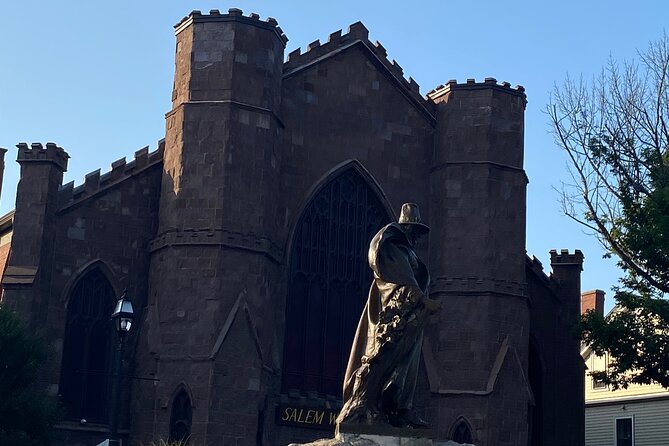
The Bewitched Statue of Elizabeth Montgomery is next. It is a six-foot bronze statue showing Samantha Stephens from the 1960s sitcom Bewitched, sitting sidesaddle on a broom next to a crescent moon. Several episodes of the show were filmed in Salem in 1970, and the city has leaned into that fact. The tour explicitly builds in time for pictures here, about 10 minutes.
After that comes the Roger Conant Statue. In 1913, Henry Hudson Kitson, who is known for the Lexington Minuteman Memorial, sculpted this statue. Roger Conant is credited as the founder of the English settlement in Salem. This is the kind of stop that connects a modern tourist town to the original settlement story, with a visible marker that keeps the route grounded.
These three stops, town hall, Elizabeth Montgomery, and Roger Conant, are short but strategically placed. They keep the tour from feeling like one long, dark chapter. You get relief, perspective, and something fun enough to justify the photos.
Other lantern walks around Salem

The Witch House and the Lyceum Hall Bridget Bishop site: where folklore meets records
Now the tour reaches two of the most important historical anchors in the Salem Witch Trials story.
First is The Witch House at Salem, home of Jonathan Corwin (1640 to 1718). He was the uncle of High Sheriff George Corwin. The key fact here is that it is the only extant building with direct ties to the Salem Witch Trials. Jonathan Corwin served on the court of Oyer and Terminer that convicted the witches.
There is also a second layer: Roger Williams lived in the house before founding Providence Plantation in Rhode Island. The Witch House was moved about 11 meters from its earlier location to accommodate road widening in the 1940s. That detail matters because it reminds you that preservation often means changes, not just careful freezing of the past.
Expect this stop to take about 10 minutes. But do plan for cost. Admission is not included for this stop. If you are trying to keep your total day spending predictable, this is the one place you should mentally budget for.
Then the tour moves to Turner’s Seafood at Lyceum Hall. This is tied to the property of Bridget Bishop, the first person executed for witchcraft during the Salem witch trials in 1692. The tour also continues to the site of the infamous Salem Jail, where people were arrested and imprisoned before being hanged.
This section is about 15 minutes. It is also the part of the tour most likely to feel intense. You are not just looking at a building and moving on. You are hearing the sequence, accusation, arrest, imprisonment, and execution. If that kind of story is new to you, keep your pace slow and focus on what is being said rather than just capturing a picture.
Tarot, numerology, and palmistry at the museum with Cynthia
The final stop is at the Peabody Essex Museum area for the Salem Bewitched tarot reading experience. This is where the tour turns from strictly historical landmarks into something more personal and interpretive.
The host guide is described as experienced in tarot reading, numerology, and palmistry. The reading itself lasts about 15 minutes as part of what is included, and the museum experience is also described as about 20 minutes. Either way, it is not a long session. It is designed as an ending moment, not a full, seated retreat.
What I think makes this work: it is placed after the hard content. You do not leave the Witch Trials sites and immediately launch into pop mysticism. You get names, places, and context first. Then the reading becomes a reflective landing spot.
If you want to get more out of it, come with one or two questions instead of trying to cover your whole life. The reading is short, so the best results usually come from specific prompts. You also might find it helpful to bring a pen and jot down a few takeaways when you are still in that mindset.
Two practical cautions. One, the museum admission ticket is not included for this stop, so plan for potential separate entry costs depending on what areas you need to access for the reading. Two, it is a focused session, so if you are the type who needs to see every room of a museum right away, you may want to add extra museum time on your own after the tour wraps.
How the free stops make this route good value
Even without a price tag in front of you, you can judge value by what you actually get for your time.
Here is the structure the tour uses: many of the most important sites are free. The Witch Trials Memorial is free. Old Burying Point Cemetery is free. Salem Old Town Hall is free. The Elizabeth Montgomery statue is free, and there is explicit time built in for photos. The Roger Conant statue is free. Turner’s Seafood at Lyceum Hall and the Bridget Bishop and Salem Jail sites are free stops.
The only notable costs are the Witch House admission and the museum stop admission, since those are not included. That means most of your money is spent on a guided experience and not on a chain of paid entrances.
The time pattern is also a value play. You get a lot of locations, but each one stays within a manageable window: several 5-minute stops, a couple 10-minute stops, and then the emotional anchor stops at the memorial and the Witch House/Jail area. That keeps your energy from draining too fast.
Other small details that matter for comfort: coffee and tea are not included, so grab a snack plan before you start if you like to pace yourself. The tour is also described as near public transportation, which helps if you are not driving. And service animals are allowed.
Finally, if your schedule changes, the experience offers free cancellation up to 24 hours in advance for a full refund.
Who this Salem Bewitched tour fits best
This tour works especially well if you fit one or more of these profiles.
You are a first-time Salem visitor who wants structure. The route hits the memorial and cemetery, then balances with civic buildings and pop culture, and then returns to Witch Trials locations like the Witch House and the jail site.
You are a Bewitched fan. The Elizabeth Montgomery statue is not the only nod. The tour is also built around the way Salem embraced the show’s connection, including the fact that episodes were filmed in 1970.
You like a guide who brings energy. The standout in the reviews is Cynthia, described as wonderful, multilingual, and cheerful, with strong knowledge. That matters because Salem’s topic can feel gloomy, and a good guide makes it easier to stay engaged and thoughtful.
You want a mix of facts and mystique without going too far into either extreme. You get real names and real places tied to convictions and accusations, then you get a tarot and palm reading as an interpretive finale.
If you hate walking or you need long museum wandering time, you might find the short stop durations limiting. But if you want a focused 2 to 3 hour loop, it is built for that.
Should you book the Salem Bewitched Tour with Tarot Reading?
I would book this tour if you want Salem in one guided loop, with both history and Bewitched flavor, and a guided ending that feels personal.
It is a strong choice when you care about the Witch Trials sites but also want a lighter counterweight. The Elizabeth Montgomery photo stop helps. The Old Town Hall architectural pause helps. Then Cynthia brings the whole route together so it reads like a coherent story.
The main reason not to book is cost sensitivity around the extra admissions. Since the Witch House admission and the museum-related admission are not included, check your comfort level with that. The other reason to pause is emotional intensity. Even with a memorial presented as appropriate for all ages, execution and accusation details are part of the route.
If you are okay budgeting a little for those two stops and you can handle a serious topic with care, this is a smart, well-paced way to experience Salem.
FAQ
How long is the Salem Bewitched Tour with Tarot Reading?
The tour lasts about 2 to 3 hours.
Where does the tour start?
It starts at the Peabody Essex Museum, 161 Essex St, Salem, MA 01970, and ends back at the same meeting point.
What languages are available?
The tour is offered in English, French, Spanish, and Italian.
What is included with the tarot reading?
A tarot reading from the host tour guide is included, described as 15 minutes. The host is also experienced in numerology and palmistry.
Which stops have free admission?
The Salem Witch Trials Memorial, Old Burying Point Cemetery, Salem Old Town Hall, Bewitched Statue photo stop, and the Bridget Bishop and Salem Jail site stop are all listed as free.
What is not included in admission?
The Witch House at Salem and the Peabody Essex Museum stop are listed as not included for admission.
Is the tour walkable, and is it suitable for different fitness levels?
It lists moderate physical fitness as the level needed. The route is near public transportation, and service animals are allowed.
More Tour Reviews in Salem



After Dark in Salem


Salem, Still More to See
More around Salem, freshly written up
- Private Walking Salem Legends Tour Professional Guide★ 5.0 · 3 reviews
- Pirates and Privateers Walking Tour with Real Pirates Admission★ 4.5 · 3 reviews
- Salem: Spanish-Speaking Witch Trials Walking Tour★ 5.0 · 3 reviews
- Cemetery and Witchcraft Trials Tour★ 5.0 · 4 reviews
- The Ghost Walk. Tortured Souls of Salem★ 5.0 · 4 reviews
- [ESP] History of Salem Witch Trials★ 4.0 · 5 reviews
Salem Witch Trials and History Tours, compared.
 ★ 5.0History and Hauntings of Salem Guided Walking TourFrom $3614,564 reviews
 ★ 4.5Salem’s Best Ghost TourFrom $304,186 reviews
 ★ 5.0Salem Voodoo, Vampires, and Ghosts Guided Walking Tour1,931 reviews
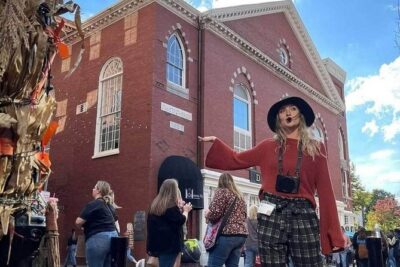 ★ 5.0Bewitched Walking Tour of SalemFrom $351,895 reviews
 ★ 5.0Satanic Salem Walking TourFrom $301,635 reviews
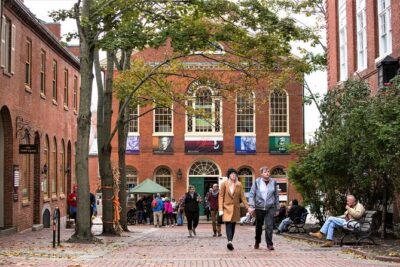 ★ 5.0Mysteries and Murders of Salem Guided Night-Time Walking TourFrom $361,488 reviews
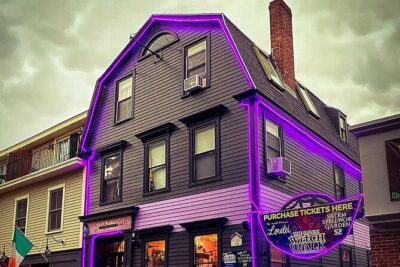 ★ 4.5The Salem Witch WalkFrom $251,301 reviews
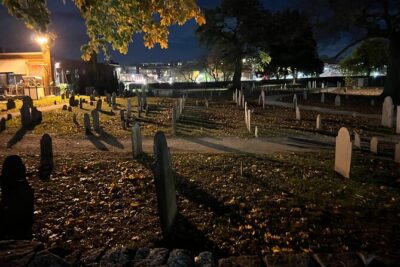 ★ 5.0Wicked Awesome Tours: Witch Trial History and Salem Haunts!From $291,032 reviews