
REVIEW · CRUISES & BOAT TOURS
Plymouth: Whale Watching Cruise
Stellwagen Bank lives up to the hype. This 4-hour Plymouth whale watching cruise targets Stellwagen Bank and Cape Cod Bay, where you may spot humpbacks, finbacks, pilot whales, minke whales, and even right whales. You also get a naturalist on board to connect the dots between what you see and how these animals live.
I love the way the naturalist-led tour turns random sightings into real understanding, with guides calling out whales and explaining behavior as you watch. I also like the onboard comfort, since you get full galley service during the cruise, so you are not stuck freezing with an empty stomach.
One heads-up before you book: if you are prone to seasickness, this is not the right activity for you. Out on the water, motion can be the difference between wow and ugh.
Key Things You Will Notice
- Stellwagen Bank is the goal, a major feeding area where whale sightings are the whole point
- Naturalist storytelling in English, including real-time spotting tips
- Multiple whale species listed, from humpbacks and finbacks to minke and right whales
- Full galley service on board, plus alcoholic beverages available for purchase
- Plan for a long boarding window, since ticketing and boarding take about 60 minutes
Plymouth Whale Watching Route, Why Stellwagen Bank Is the Main Event
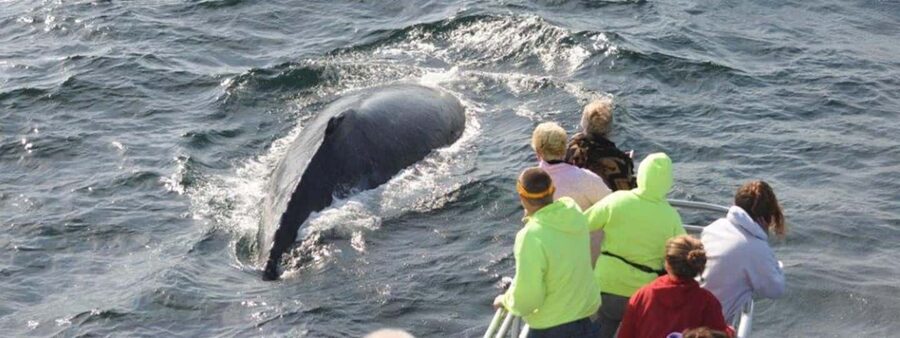
The cruise leaves from Plymouth and sets course for Cape Cod Bay and Stellwagen Bank, which is treated as a marine sanctuary and one of the primary feeding grounds in the region. That matters because whale watching is not just about being on the ocean, it is about being in the right place at the right time. When the ship works the feeding area, the chances of seeing active behavior rise, not just a distant spout.
The tour is also built around learning, not only looking. A naturalist helps you track what the whales are doing, so you spend more time noticing details like body position, surface time, and movement patterns. And yes, it really can feel like the whales are close enough to make you forget your phone exists.
Species on the listing include humpback, finback, pilot, minke, and right whales. Even if you do not see every type in one outing, having multiple possible targets is a big part of the value. It keeps the experience feeling like a hunt with information, not a coin toss with binoculars.
Town Wharf Timing and What Your Day Feels Like at Sea
This is a half-day style outing that runs about four hours on the water, but the day really starts earlier. The most important practical piece is timing: you should arrive early because ticketing and boarding take about 60 minutes. If you show up late, you will spend your first hour stressed, which is bad math for a whale trip.
From the Plymouth harbor, you cruise outward to the whale watching area. One guest noted the run out took about 90 minutes, so expect the day to build in phases: dock time, then travel, then the main spotting window. That travel time is not wasted, since you can settle in, get your layers right, and start listening for where the naturalist thinks the whales might show up.
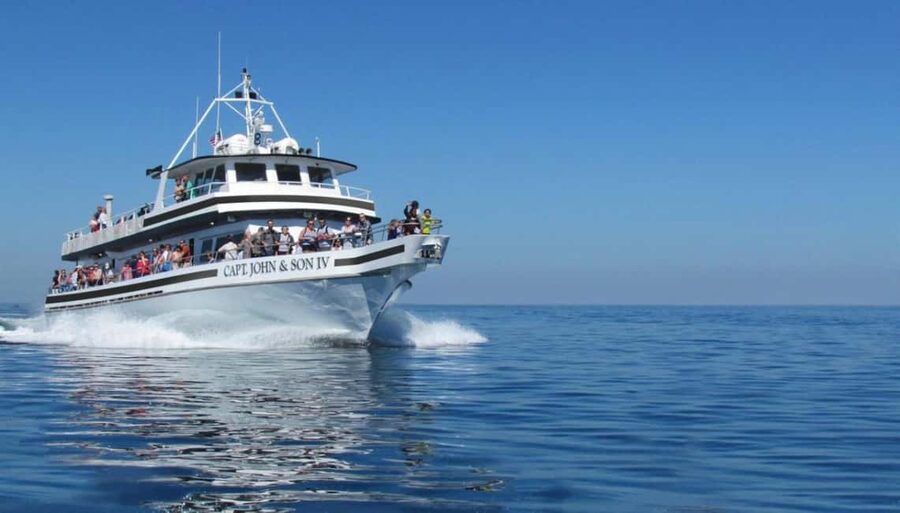
Onboard comfort also matters for what you can actually see. Past guests described the ride as comfortable, and they mentioned indoor and outdoor areas for breaks from sun or wind. Still, there can be moments when lines of sight feel tight, especially when the boat shifts position and everyone leans one way at once. If you want the best view, it helps to be flexible and ready to move with the crew.
The Naturalist and How the Spotting Gets Real
This tour is built around a naturalist guide, and it shows in the details. You are not just told generic whale facts. The guides in recent trips, including people like Lindsay, Skylar, and Kelly, helped guests connect whale behavior to what was happening around the boat.
You can expect the guide to explain what you are seeing as you see it, and that turns a sighting into a story you can repeat later. One guest highlighted learning whale names from a catalog, and another mentioned the naturalist pointing out whales with recognized identities. That kind of information can make the experience feel personal, because it is not just a whale, it is a specific animal with a known history.
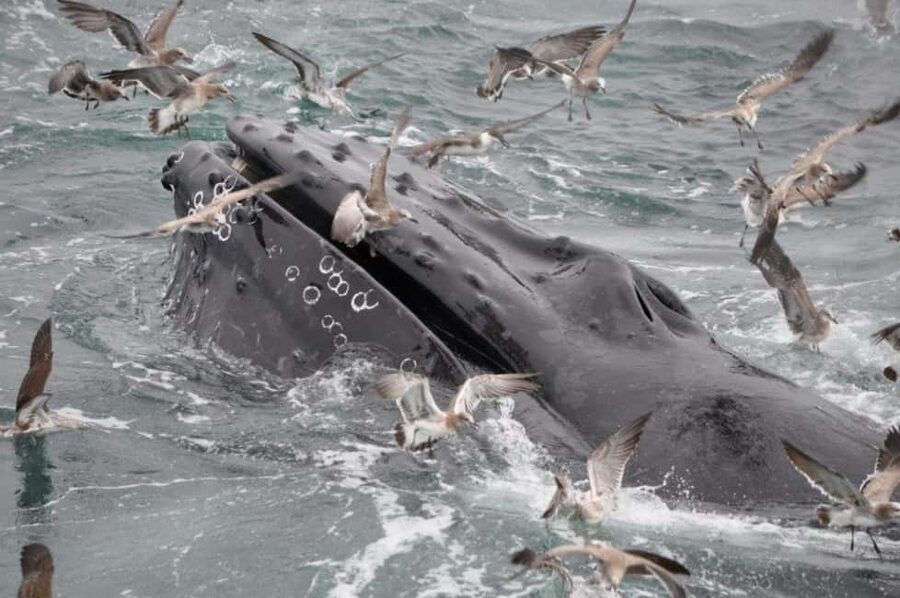
Concrete examples from past cruises include named humpbacks such as Salt, plus other individuals like Music and Tripod being mentioned during the trip. On a good day, you are watching not only for whales, but for repeated behaviors. Guests described tail and fin displays, active surface time, and feeding activity where whales were observed with mouths open near the surface.
Also, the tour runs with a live English guide. That is a practical advantage if you are traveling with kids or if you want real interaction instead of reading a pamphlet while the boat does its thing.
What Whales You Might See, Plus How Weather Changes Everything
The listing includes humpback, finback, pilot, minke, and right whales, with Stellwagen Bank positioned as a feeding ground. In the best conditions, guests reported multiple sightings, with some trips seeing several whales and others seeing fewer but still getting close, active behavior.
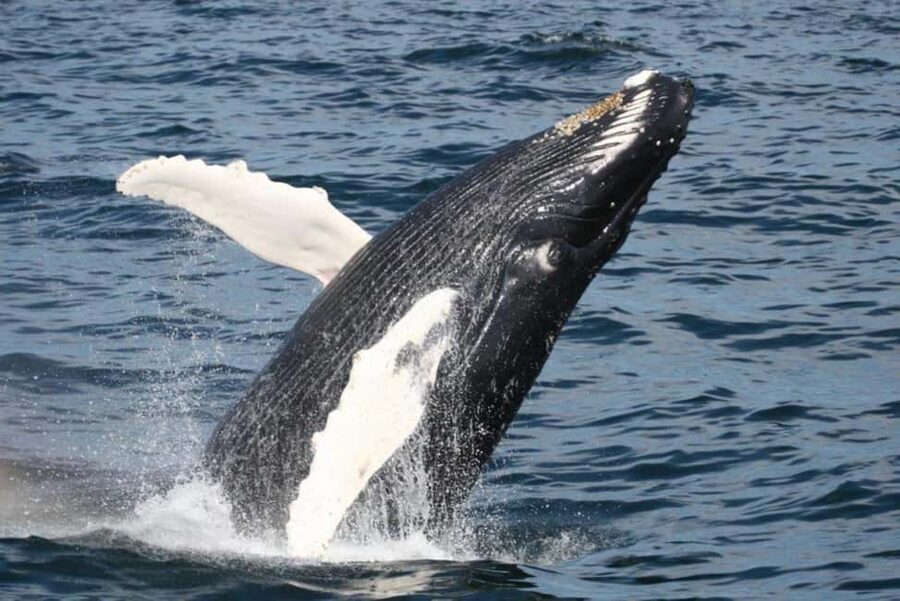
Humpbacks were especially prominent in the stories. Guests talked about whales surfacing often, showing humps and tails, and doing dramatic displays that make great photos. Fin whales were also mentioned, including endangered fin whales in at least one account, which gives the whole trip an extra layer of importance when you are trying to see rare animals.
What surprised me, even reading these accounts, is how much you can sometimes learn in the moment. One guest described watching feeding behavior and said it felt magical. Another noted seeing a sleeping whale near the surface. These details matter because they suggest the cruise does more than spot, it stays in the right area long enough for behavior to unfold.
Weather is the wild card. One account described a trip with heavy fog for much of the outing, resulting in just a single whale sighting. Then, on a follow-up day with better conditions, they saw multiple whales and seals. The lesson is simple: if the day turns gray and the ocean gets harder to read, wildlife sightings can drop fast. You are still getting real time on a whale route, but you should go in with flexible expectations.
Boat Comfort, Snacks, and Getting Warm (Galley Service Helps)
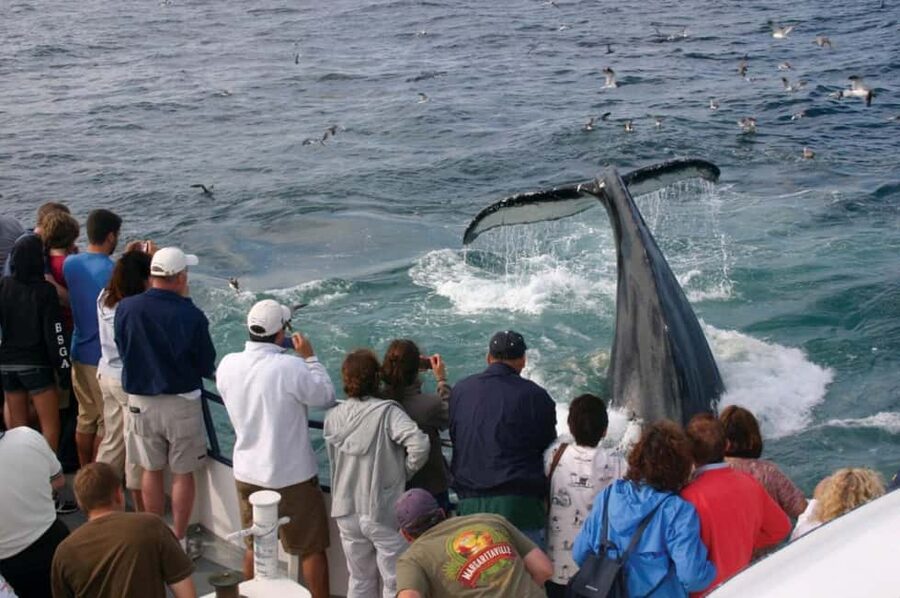
You get full galley service on board, which is a big deal for comfort on open water. It means you are not limited to whatever you brought from shore, and it helps you stay focused on the whales instead of meal planning mid-cruise.
The listing also says alcoholic beverages are available for purchase. So if you want a beer or something stronger, you can, but it is not baked into the base price. For a lot of people, that is the sweet spot. You get warmth and food covered, plus the option to add something extra if the day feels celebratory.
Bring warm clothing. Even in pleasant Plymouth weather, the wind off the water can cut fast. The tour guidance calls for warm layers and specifically mentions a jacket and warm clothing. Sunscreen also matters because the sun can still bounce off the water, and a camera is a must if you want to capture that one perfect moment when a whale surfaces close.
Binoculars can help, especially when you are scanning for movement before the spout gives it away. And for your comfort, bring motion sickness prevention if you are even slightly sensitive to boat motion. Remember, the activity is not suitable if you are prone to seasickness, but having the prevention items ready can still make a difference for people who get mild symptoms.
One more comfort note from the accounts: the ride was described as smooth by multiple guests. That helps when you are trying to watch carefully and keep your hands steady for photos.
Price and Value at About $74, What You Are Really Paying For
At $74 per person for about a four-hour cruise, the question is not only cost, it is what you get for that time. This price includes the core elements that matter most for whale watching: a guided cruise out to specific feeding waters and a naturalist onboard during the viewing period. It is also not just standing on a pier. You are out on the water, positioned where whales are more likely to surface.
On top of that, the tour includes full galley service. That is a value add that many tours leave out, because food and drink on the water can turn into a separate expense fast. Alcohol is not included, but the ability to buy it onboard is there.
Parking fees are not included, so factor in that extra cost if you are driving. Also, keep in mind that whale watching is never a guaranteed wildlife safari. Even when the route is right, weather and conditions can affect sightings. Still, the consistency of strong whale reports across recent outings suggests the operation knows how to work the area.
If you are comparing this to other half-day attractions around Cape Cod and Plymouth, this has one advantage few things can match: the main event is alive and unpredictable, and you are getting real education while you watch.
Who This Plymouth Whale Cruise Works For (And Who Should Skip It)
This is a great choice if you want a focused, educational outing without having to plan a complicated route yourself. Families, couples, and anyone who enjoys wildlife watching will likely have a good time, especially if you like learning what you are seeing. The fact that the guide explains the geography and what the whales are doing makes it more than just a sightseeing boat ride.
It is also ideal if you are trying to check several species off your list. The cruise targets a feeding ground tied to multiple whale types, including endangered right whales on the watch list. That gives you more chances for variety in a single outing.
The big “do not book” flag is for motion sickness. The listing says it is not suitable for people prone to seasickness. If you know you react badly to boat motion, save yourself a ruined day and pick a different kind of activity on land.
My Bottom Line, Should You Book This Cruise?
I think you should book this Plymouth whale watching cruise if you are ready to plan for cool wind, want a real naturalist experience, and are excited about the chance to see multiple whale species in a single outing. The combination of a 4-hour cruise, naturalist-led spotting, and full galley service makes it feel like good value for time on the water.
Book it with two practical expectations. First, sightings depend on conditions, so fog or rough weather can reduce the number of whales you see. Second, if you are prone to seasickness, do not gamble on it.
If you want a simple decision path: choose this cruise when you can dress warmly, you are okay on boats, and you want to understand whales, not just see a few distant spouts.
Cruises & Boat Tours, compared.
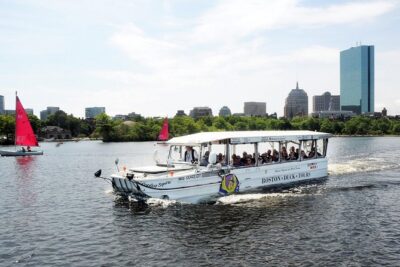 ★ 4.5Boston Duck Boat Sightseeing City Tour with Cruise Along Charles RiverFrom $599,378 reviews
 ★ 4.5City Cruises Whale Watching CruiseFrom $854,710 reviews
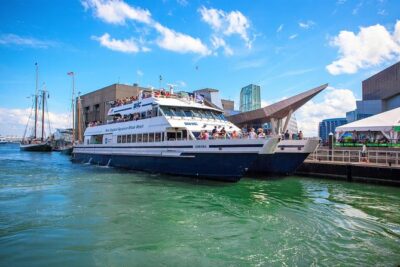 ★ 4.5City Cruises Boston Whale Watching Cruise by High-Speed BoatFrom $853,115 reviews
 ★ 4.6City Cruises Historical Sightseeing CruiseFrom $461,771 reviews
 ★ 4.5City Cruises Boston Historic Sightseeing Harbor CruiseFrom $461,388 reviews
 ★ 4.5Boston Harbor Sunset CruiseFrom $31888 reviews
 ★ 4.5Boston Harbor Sunset CruiseFrom $54632 reviews
 ★ 4.5Classic Tall Ship Cruise in Boston HarborFrom $35615 reviews
Also filed under